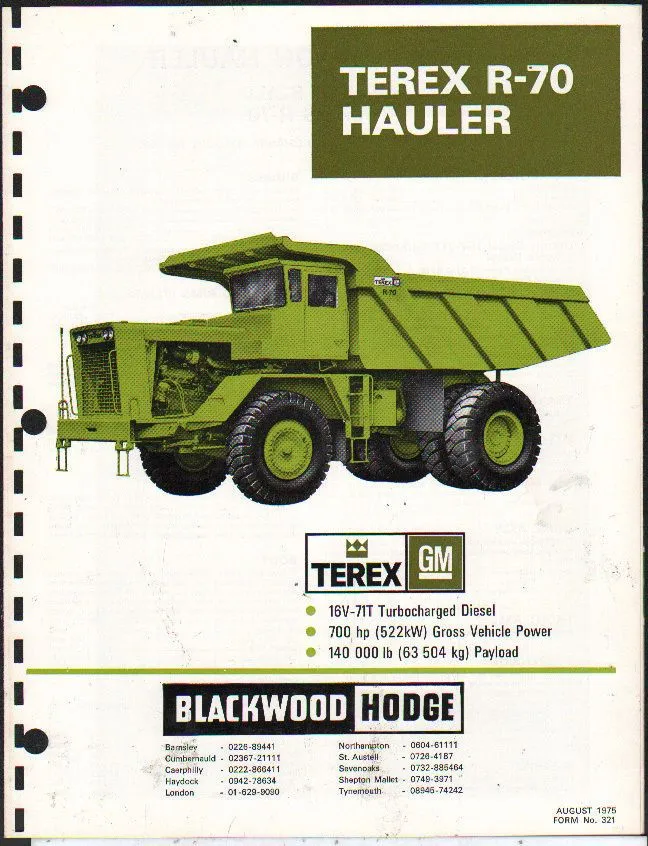
Diecast truck restoration is a rewarding hobby that allows you to breathe new life into classic models. Whether you’re a seasoned collector or a newcomer to the world of model cars, restoring a diecast truck can be a fulfilling experience. This guide provides seven easy steps to help you transform a worn-out diecast truck into a stunning display piece. With patience, the right tools, and a little bit of elbow grease, you can achieve impressive results. The process involves careful planning, meticulous execution, and a passion for detail. Let’s dive into the exciting world of diecast truck restoration and uncover the secrets to bringing these miniature masterpieces back to their former glory.
Planning Your Diecast Truck Restoration
Before you even touch your diecast truck, it’s crucial to plan your restoration. This involves assessing the truck’s condition, deciding on your desired outcome, and gathering all the necessary resources. Proper planning saves time and ensures a smoother, more enjoyable restoration process. Take the time to research different restoration techniques and materials, and determine the level of detail you want to achieve. Consider factors such as the truck’s rarity, its historical significance, and the availability of replacement parts. A well-thought-out plan is the foundation of a successful restoration project. Also, set realistic goals and expectations. Not every truck will be museum-quality, but with each restoration, your skills and knowledge will improve.
Assessing the Damage
Carefully inspect the diecast truck to identify all areas that need attention. This includes examining the body, chassis, wheels, and any other components. Look for signs of rust, corrosion, dents, scratches, and missing parts. Document the damage with photos or notes to track your progress and help you prioritize the repairs. A thorough assessment is essential for determining the scope of your project and estimating the time and materials required. Pay close attention to the details, as even small imperfections can impact the overall appearance of the restored truck. Take notes on how the truck was constructed. This can help you when you reassemble.
Identifying Rust and Corrosion

Rust and corrosion are common enemies of diecast trucks, especially older models. Identify the extent of the rust and corrosion, noting the areas where it is most severe. Rust can weaken the metal and cause structural damage, while corrosion can affect the paint and surface finish. Use a magnifying glass and a bright light to closely examine all parts of the truck. Pay particular attention to areas prone to moisture accumulation, such as the underside of the chassis and the wheel wells. Rust removal is a crucial step in the restoration process, and the methods you choose will depend on the severity of the rust and the materials involved. A good cleaning solution and soft brush will help you assess the damage.
Gathering Your Tools and Supplies
Having the right tools and supplies is essential for a successful restoration. Create a checklist of the tools you will need, and gather them before you begin working on the truck. This will save you time and frustration later on. It’s better to have all the tools readily available. Don’t rush the process, take your time and organize your workspace. Proper preparation is the key to success. Investing in high-quality tools will make the restoration process easier and ensure better results. Don’t skimp on quality. Look for tools that are specifically designed for model restoration. You can find many of these items online. Check your local hobby shop as well.
Essential Tools for Restoration
Some essential tools include small screwdrivers, pliers, wire cutters, hobby knives, and various brushes. You’ll also need tools for removing rust, such as fine-grit sandpaper, steel wool, and rust removers. A heat gun or hairdryer can be helpful for removing old decals. A good work surface is essential. Make sure it is clean and well-lit. For painting, you’ll need an airbrush or spray cans, along with masking tape and masking fluid. Additional tools such as a pin vise, a magnifying glass, and a set of calipers will be handy. These are great items to have on hand to make your job easier.
Necessary Supplies to Buy

In addition to tools, you’ll need various supplies, including paint, primer, thinners, and decal setting solutions. Choose high-quality paints specifically designed for model cars. Acrylic paints are a good choice because they are easy to work with and dry quickly. You’ll also need a variety of sandpaper grits, ranging from coarse to fine, for surface preparation. Decal sets are available for most popular diecast truck models. If you’re creating your own decals, you will need decal paper and a printer. Other supplies include glue, putty, and various detailing materials. Ensure that you have all your materials ready before you start.
Disassembly and Cleaning
Carefully disassemble the diecast truck, taking photos or making notes as you go to aid reassembly. Begin by removing any easily removable parts, such as wheels, bumpers, and accessories. Use the appropriate tools to loosen screws and fasteners. Keep all parts organized and labeled to avoid confusion during reassembly. After disassembly, clean each part thoroughly. Remove all traces of dirt, grease, and old paint. This is an important step in preparing the surfaces for painting and detailing. Use a mild detergent and warm water for cleaning. You may also use specialized cleaning solutions designed for model cars. Avoid harsh chemicals that could damage the plastic or metal parts. This process prepares the truck for further work.
Careful Disassembly Procedures
Start by carefully removing all external components, such as the wheels, bumpers, mirrors, and any other accessories. Use the correct size screwdrivers to avoid stripping the screws. Keep all screws and small parts in separate, labeled containers. Take photos of the truck before you start disassembling it. These photos will serve as a valuable reference during reassembly. If the truck has any decals, remove them carefully before cleaning. Document the placement of the decals. If any parts are glued together, use a hobby knife or heat gun to carefully separate them. Patience is key during disassembly. Don’t force anything; take your time. Make sure you have a clean and organized workspace.
Effective Cleaning Techniques

After disassembly, thoroughly clean each part of the diecast truck. Use a mild detergent and warm water to remove dirt, grease, and old paint. A soft brush can be helpful for scrubbing hard-to-reach areas. Rinse all parts thoroughly and allow them to dry completely. For stubborn grime, you can use a specialized cleaning solution designed for model cars. Avoid using harsh chemicals or abrasive cleaners that could damage the plastic or metal. For rust removal, use fine-grit sandpaper, steel wool, or a rust remover. Be sure to follow the manufacturer’s instructions when using rust removers. Make sure the pieces are completely dry before continuing with the next steps.
Surface Preparation for Painting
Before painting, prepare the surfaces of the diecast truck. This involves removing any remaining old paint, smoothing out imperfections, and priming the surfaces. Proper surface preparation is crucial for achieving a smooth, even paint finish. It also helps the paint adhere properly to the metal. This step sets the foundation for a professional-looking restoration. A well-prepared surface will enhance the overall appearance. Spend adequate time on this step. This includes removing all imperfections. Take your time and work methodically. You’ll need to use various tools and supplies, including sandpaper, putty, and primer. A lot of people overlook this step, but it is essential.
Removing Old Paint
Use a combination of techniques to remove the old paint. The best method depends on the type of paint used. For most diecast trucks, you can use fine-grit sandpaper to carefully sand away the paint. Work in a well-ventilated area and wear a dust mask to avoid inhaling paint particles. You can use a heat gun or hairdryer to soften the paint, making it easier to remove. Be careful not to overheat the metal. If the paint is particularly stubborn, you can use a paint stripper designed for model cars. Be sure to follow the manufacturer’s instructions and use appropriate safety precautions. After removing the paint, inspect the surfaces for any remaining residue.
Surface Smoothing and Priming

After removing the old paint, smooth out any imperfections on the surfaces. Use fine-grit sandpaper to remove scratches, dents, or other blemishes. Apply a thin layer of putty to fill any remaining imperfections. Allow the putty to dry completely, then sand it smooth. Once the surfaces are smooth, apply a primer coat. Primer helps the paint adhere to the metal and provides a uniform surface. Choose a primer that is compatible with the paint you will be using. Apply the primer in thin, even coats, allowing each coat to dry completely before applying the next. Once the primer has dried, lightly sand the surface to remove any imperfections. The goal here is to create a perfect surface to paint.
Painting Your Diecast Truck
Choosing the right paint and using proper painting techniques are essential for a flawless finish. Select paints specifically designed for model cars. Acrylic paints are a popular choice. They are easy to work with and dry quickly. Prepare your workspace by covering the area with drop cloths and ensuring good ventilation. Whether you’re using an airbrush or spray cans, practice your technique on a test surface before painting the truck. This step is all about precision and patience. Slow and steady wins the race. Your painting skills will improve with each project. Good preparation is critical. Set up your workspace to allow for air flow and ventilation.
Choosing the Right Paint
Acrylic paints are a great choice for diecast truck restoration. They are easy to work with, dry quickly, and provide a durable finish. Enamel paints are another option, but they require more time to dry. When choosing paint, consider the color of the original truck or the desired color for your restoration. Many paint manufacturers offer color-matched paints for specific truck models. When selecting the paint, consider the scale of the diecast model. Some colors may look slightly different on smaller models. If possible, test the paint on a small, inconspicuous area of the truck to ensure that you are satisfied with the color and finish. Consider the weathering effects that you want to achieve, like fading or rust.
Painting Techniques for a Flawless Finish

If using an airbrush, thin the paint to the correct consistency according to the manufacturer’s instructions. Hold the airbrush a few inches from the surface and apply thin, even coats of paint. Apply multiple coats, allowing each coat to dry completely before applying the next. If using spray cans, shake the can well and apply the paint in thin, even coats. Hold the can about 8-10 inches from the surface. Avoid spraying too much paint at once, as this can cause runs or drips. Once the paint has dried completely, you can lightly sand the surface with fine-grit sandpaper to remove any imperfections. For a professional finish, consider applying a clear coat to protect the paint and add shine.
Decaling and Detailing
Decaling and detailing add realism and personality to your restored diecast truck. Decals can replicate the original markings or create a custom look. Detailing involves adding small details such as lights, grilles, and other accessories. Decals and details bring the truck to life. Take your time and focus on precision. Patience and attention to detail will make the truck look amazing. This is often the most time-consuming part of the restoration. Take your time to ensure your efforts are well-spent. This will be the part that really catches the eye. You can spend a lot of time here, but it will really pay off.
Applying Decals Accurately
Before applying decals, clean the surfaces where they will be placed. Use decal setting solution to help the decals conform to the curves of the truck. Carefully remove the decal from its backing and position it on the truck. Use a soft cloth or cotton swab to smooth out any air bubbles. Use a decal setting solution to help the decals conform to the curves of the truck. Carefully remove the decal from its backing and position it on the truck. Use a soft cloth or cotton swab to smooth out any air bubbles. If the decals have a clear carrier film, trim it away as closely as possible to the decal itself. This will make it appear more realistic. After the decals have dried, you can apply a clear coat to protect them.
Adding Realistic Details

Adding realistic details is a great way to bring your diecast truck to life. Consider adding details such as lights, grilles, mirrors, and other accessories. Many aftermarket detailing sets are available for various truck models. Use a hobby knife or small drill to carefully remove any existing details. Use glue or other adhesives to attach the new details. Paint the details to match the color scheme. Weathering techniques, such as dry brushing or washes, can be used to create a realistic look. Be sure to study reference photos of the real truck to ensure accuracy. You want to ensure that the look and feel of the truck is accurate. This adds to the appeal of the restoration.
Reassembly and Final Touches
Carefully reassemble the diecast truck, following the notes and photos you took during disassembly. Ensure that all parts fit together correctly and that all screws and fasteners are securely tightened. This step is the culmination of all your hard work. Take your time and double-check everything to ensure that all parts are in their proper places. Reassembly is the final step in the restoration process. Take your time and ensure that everything goes back together correctly. Make sure all the components are in the correct positions. Once you are finished, you will have something that you can be proud of.
Putting the Truck Back Together
Refer to your photos and notes from the disassembly process to ensure that you are putting the truck back together correctly. Start with the chassis and body. Then, add the wheels, bumpers, mirrors, and other accessories. Make sure all screws and fasteners are securely tightened. If any parts do not fit correctly, double-check your notes and photos to ensure that they are in the correct location. If necessary, gently sand or file any parts to ensure a proper fit. During the reassembly, you’ll need to pay close attention to detail. Take your time and be careful not to damage any of the painted surfaces. Double-check to ensure that nothing has been missed.
Protecting Your Restoration
To protect your restored diecast truck, apply a clear coat to the painted surfaces. This will protect the paint from scratches, UV damage, and other environmental factors. Consider using a display case to protect the truck from dust and debris. Store the truck in a cool, dry place away from direct sunlight. Handle the truck with clean hands to prevent fingerprints and smudges. Consider using a soft cloth or gloves when handling the truck. Regular cleaning and maintenance will help to preserve your truck and keep it looking its best. Taking steps to preserve the truck will help to extend its life. Handle the truck with care. Doing so will pay off in the long run.
Displaying and Maintaining Your Restored Truck
Once your diecast truck restoration is complete, you can proudly display your work. Choose a display case or shelf that showcases the truck. Consider adding a nameplate or description to provide information about the truck. If you decide to enter a competition, do some research to learn more about it. Regular maintenance is essential to keep your restored truck looking its best. Dust the truck regularly with a soft cloth. Avoid using harsh chemicals or abrasive cleaners. Inspect the truck periodically for any signs of damage or wear. You can also make minor repairs as needed. Maintaining your truck will help to preserve its value and ensure that it continues to be a source of enjoyment for years to come. Display your truck with pride, it’s a testament to your skills.