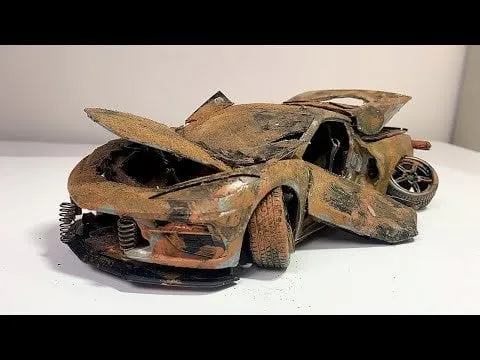
What is Diecast Model Car Restoration
Diecast model car restoration is the process of returning a vintage or damaged diecast model car to its original condition, or even improving upon it. This involves a range of skills, from dismantling and cleaning to painting and reassembly. It’s a rewarding hobby that combines craftsmanship, attention to detail, and a love for classic cars. Whether it’s a childhood favorite or a rare collectible, restoring a diecast model car breathes new life into a treasured item, preserving its history and beauty for years to come. The process can vary in complexity, from simple touch-ups to complete overhauls, making it accessible to hobbyists of all skill levels.
The Allure of Diecast Car Restoration
The appeal of restoring diecast cars lies in the satisfaction of transforming something old and neglected into a beautiful, valuable piece. The hands-on nature of the hobby is a welcome contrast to our increasingly digital world, offering a tangible sense of accomplishment. For many, it’s a nostalgic journey, rekindling memories of childhood or a passion for classic automobiles. The hobby allows enthusiasts to connect with a community of like-minded individuals, sharing knowledge, tips, and even trading models. The value appreciation of restored models can be significant, turning a hobby into a potential investment as well. The joy of bringing back a piece of history is the ultimate reward.
Why Restore Diecast Cars

Restoring diecast cars is more than just a hobby; it’s a way to preserve history and celebrate automotive design. Many diecast models represent iconic cars from the past, and restoring them ensures these vehicles are not forgotten. It’s also an environmentally conscious activity, giving new life to items that might otherwise end up in a landfill. Furthermore, it’s a fantastic way to develop valuable skills, including attention to detail, patience, and problem-solving abilities. Restoring models can also serve as a source of relaxation and stress relief, providing a creative outlet. Lastly, a restored model can be a unique and personalized item that reflects the owner’s tastes and passion for cars.
Getting Started with Diecast Car Restoration
Embarking on the journey of diecast car restoration is an exciting endeavor. The key to success is preparation, starting with understanding the basics and gathering the right tools and supplies. Begin by researching restoration techniques, watching tutorials, and joining online communities to learn from experienced restorers. Start with a simple project to build confidence and avoid overwhelm. Choose a model that isn’t overly complex or valuable for your first attempt. Patience and attention to detail are crucial at every step. It’s important to remember that restoration is a learning process, so don’t be discouraged by mistakes; instead, use them as opportunities to refine your skills and improve your techniques.
Essential Tools You’ll Need
Having the right tools can make the restoration process much smoother. While you don’t need to invest in every tool imaginable at the start, having the essentials will make a big difference. A well-equipped workspace is also beneficial. This includes good lighting, adequate ventilation, and a comfortable work surface. As you gain experience, you can expand your tool collection to include specialized equipment. Safety should be a priority, so make sure to have appropriate personal protective equipment, such as gloves and eye protection, to prevent injuries. Also, organize your tools in a way that allows you to quickly access what you need.
Disassembly Tools

Disassembly tools are essential for taking apart the model without causing damage. You’ll need a set of small screwdrivers, including Phillips head and flathead sizes. A small hobby knife or X-Acto knife is useful for separating parts and removing decals. Pliers, especially needle-nose pliers, can help with removing small parts and bending wires. A pin vise or small drill can be used for drilling out rivets or making holes for reassembly. Consider purchasing a set of specialized model car tools designed for specific tasks, such as removing wheels or opening up model car bodies.
Cleaning Supplies
Cleaning supplies are needed to remove dirt, grease, and old paint. Isopropyl alcohol is excellent for cleaning parts and degreasing. Mild dish soap and warm water can be used for general cleaning. A soft-bristled brush, such as an old toothbrush, is useful for scrubbing small parts. Cotton swabs and microfiber cloths are ideal for delicate cleaning. Paint thinner or a dedicated paint stripper can be used to remove old paint, but always test them on an inconspicuous area first. Make sure to have a well-ventilated area when using cleaning chemicals. Also, be sure to wear gloves to protect your hands.
Paint and Finishing Supplies
Painting is a critical step in the restoration process. You’ll need high-quality model paints in various colors. Acrylic paints are popular due to their ease of use and low odor. Enamel paints offer durability and a glossy finish. Primer is essential for preparing the surface and ensuring good paint adhesion. Paint thinners or reducers are needed to achieve the correct paint consistency. A selection of paintbrushes, including fine-tipped brushes for detail work. An airbrush and compressor are recommended for achieving a smooth, even finish, though they are not essential for beginners. Clear coat is used to protect the paint and add shine. You’ll also need various grades of sandpaper for smoothing surfaces.
Workspace Setup

A well-organized workspace significantly improves the restoration process. Choose a well-lit area, ideally with natural light, to avoid eye strain. A sturdy workbench or table provides a stable surface for working. Ensure adequate ventilation to minimize exposure to fumes from paints and chemicals. A parts tray or organizer keeps small components safe and organized during disassembly and reassembly. Consider using a magnifying lamp to assist with detailed work. Have a storage system for tools, paints, and supplies to keep your workspace tidy. A comfortable chair is important for prolonged work sessions. A clean workspace leads to better results.
Choosing Your First Restoration Project
Selecting the right model for your first restoration is important to building your confidence. Opt for a model that is relatively simple, with fewer parts and minimal damage. Look for models that you can easily find replacement parts for. Avoid rare or valuable models until you’ve gained experience. Inspect the model carefully before purchasing, noting the extent of the damage and the overall condition. Consider a model with a common paint scheme, so you can easily find matching paint colors. Choosing a model that you are passionate about will make the restoration process more enjoyable. Most importantly, don’t be afraid to experiment and learn from your mistakes.
Step-by-Step Restoration Process
Restoring a diecast model car is a process that requires patience and a methodical approach. Each step must be done properly. This comprehensive guide provides the steps. Proper preparation, attention to detail, and a careful execution of each step will help you achieve professional-looking results. Start slowly, take your time, and be patient with the process. Following these steps will help you restore the model car to its original, or even better, condition. The reward of seeing a restored model car is worth all the effort.
Disassembly and Inspection

Careful disassembly is crucial to avoid damaging the model. Start by taking photographs of the model before you begin to document the original condition. Use a parts tray or small containers to hold the removed parts. Label each container to keep things organized. Start with the easiest parts to remove, such as the wheels, bumpers, and mirrors. Use the correct tools for each task. Inspect each part for damage, such as cracks, breaks, or missing pieces. If any parts are badly damaged, consider obtaining replacements. Take notes on the disassembly process, noting any challenges or unique aspects of the model.
Cleaning and Preparation
Thorough cleaning is essential before painting. Remove old paint, dirt, and grease from all the parts. Use a soft brush and soapy water to clean the parts. Use isopropyl alcohol to remove any remaining residue. If the model has significant rust, carefully remove it with a rust remover or fine-grit sandpaper. Inspect the parts for any damage. Repair or replace any damaged parts before proceeding. Ensure the parts are completely dry before the painting step. Proper preparation provides a smooth surface for paint.
Paint Removal
Removing the old paint is one of the most challenging parts of the restoration process. There are several methods you can use. You can use a chemical paint stripper. Carefully apply the stripper to the model’s surface, following the manufacturer’s instructions. Another method is using sandpaper. Start with coarse-grit sandpaper, then move to finer grits. Be cautious not to damage any details. A heat gun can also be used to soften the paint, making it easier to scrape off. Always use appropriate safety gear, such as gloves and eye protection. After removing the paint, clean the model to get rid of any remaining chemicals or residue.
Surface Preparation

Surface preparation is essential for a smooth, durable finish. Any scratches or imperfections will show through the paint. Use various grades of sandpaper to smooth the surface. Start with a coarser grit and work your way to finer grits. Sand until the surface is smooth and free of any imperfections. Fill any dents or imperfections with a modeling filler. Once the filler is dry, sand it smooth. Clean the surface thoroughly to remove all dust and debris. Apply a primer coat to the surface. The primer coat ensures good adhesion of the paint.
Painting the Body
Painting the body is a crucial step for the finished look. Choose high-quality paint. You can choose acrylic or enamel paints, depending on your preference and skill. Apply the paint in thin, even coats. Multiple thin coats are better than one thick coat. Allow each coat to dry completely before applying the next. Avoid painting in humid or dusty conditions. Use an airbrush or spray gun. These tools provide a professional-looking finish. Let the paint dry. Once the paint is completely dry, you can apply a clear coat. The clear coat protects the paint.
Choosing the Right Paint
Choosing the right paint is essential for a successful restoration. The type of paint you choose will depend on your skill level and desired outcome. Acrylic paints are easy to use, dry quickly, and are low-odor. Enamel paints are durable and provide a glossy finish, but they take longer to dry and have a stronger odor. Consider the original paint color of the model. Find matching colors. If possible, test the paint on a small area before applying it to the entire model. Read the manufacturer’s instructions before using any paint. Make sure you are using safety gear such as a respirator to protect yourself.
Painting Techniques

Proper painting techniques will provide a professional-looking finish. Before painting, clean and prepare the surface. Apply the paint in thin, even coats. Avoid creating runs or drips. Use a spray gun or airbrush for a smoother finish. Hold the spray gun or airbrush at the correct distance. Maintain a consistent speed. Use a tack cloth to remove any dust or debris. Allow each coat to dry completely before applying the next. After the final coat of paint, apply a clear coat. Clear coats protect the paint and add shine.
Reassembly and Detailing
Reassembly is the final step. Carefully reassemble the model. Refer to your photographs and notes to ensure all parts are installed correctly. Use appropriate adhesives. If the model had decals, apply new ones. Clean any smudges or fingerprints. Inspect the model for any imperfections. Make any necessary adjustments. If you have the original box, you can add the model back to the box.
Adding Decals and Finishing Touches
Adding decals and finishing touches will make your model car look its best. Ensure the surface is clean before adding any decals. Use decal setting solutions. Use a hobby knife. Apply clear coat to protect the decals. Detail the model by adding small details. Add new headlights and taillights. Add any other fine details. The final touch will make the car look its best.
Common Challenges and Solutions
Restoring diecast model cars can present several challenges. Understanding these potential issues will help you address them effectively. It is important to know what problems you may encounter and what solutions you can apply to fix them. Preparing ahead of time can save you time and headaches.
Rust and Corrosion
Rust and corrosion are common issues in older models. Remove rust with rust removers. You can also use a wire brush. If the rust is severe, consider replacing the affected parts. Prevent future rust by storing your models in a dry environment. You can also apply a protective coating to the metal parts.
Paint Issues
Paint issues can range from runs and drips to poor adhesion. To avoid runs, apply thin, even coats of paint. If you have drips, sand them smooth and repaint. Ensure proper surface preparation. Use a primer before painting. Use the correct paint type. Avoid painting in humid or dusty conditions.
Missing Parts
Missing parts can be the biggest challenge. Research online retailers and forums. Look for spare parts or donor models. Consider 3D printing replacement parts. If you can’t find the original parts, you can improvise by making your own parts. Try to match the original material and finish. Make sure to measure carefully and make sure you create the right parts.
Resources and Further Learning
There are plenty of resources available to help you learn more about diecast model car restoration. There are many books and guides. Online forums and communities are also helpful. YouTube channels and tutorials can help guide you through the process. Attending model car shows and events is a great way to meet other enthusiasts and learn from their experience. By utilizing these resources, you can continue to improve your skills and enjoy the rewarding hobby of restoring diecast model cars. There are plenty of sources and ways to learn about this hobby. Enjoy the process and don’t be afraid to start.