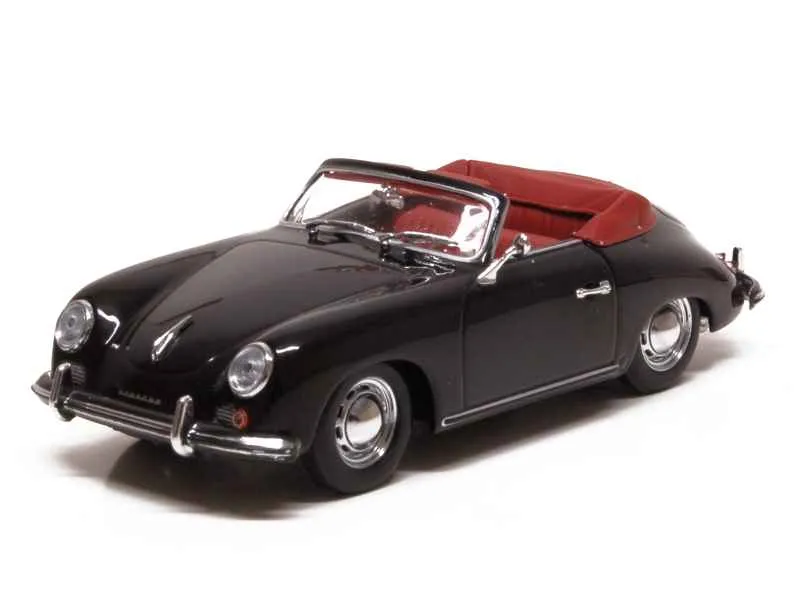
What is a Porsche Diecast Kit
A Porsche diecast kit is a miniature replica of a Porsche automobile, constructed from various parts usually made of metal, plastic, and rubber. These kits allow enthusiasts to build detailed models of iconic Porsche cars, from classic 911s to modern Panameras. The kits typically come unassembled, providing a rewarding experience for hobbyists who enjoy the process of model building. These kits come in various scales, the most popular being 118th and 124th scale, and can vary in complexity, from simple snap-together models to highly detailed versions requiring painting, gluing, and advanced techniques. Building a Porsche diecast kit combines the satisfaction of creating a tangible object with the appreciation for automotive design.
Benefits of Building a Porsche Diecast Kit
Building a Porsche diecast kit offers numerous benefits beyond simply creating a scale model. This hobby promotes fine motor skills as it requires meticulous handling of small parts, precise cutting, and careful application of glue and paint. Model building also enhances problem-solving abilities, as builders often encounter challenges that require them to interpret instructions, improvise, and find creative solutions. Furthermore, it provides a relaxing and engaging activity, offering a welcome break from digital distractions. It cultivates patience and attention to detail. Lastly, constructing a Porsche diecast kit is a great way to connect with fellow enthusiasts, sharing tips, and showcasing finished models.
Detailed Assembly Guide

Tools and Materials Required
Essential Tools You’ll Need
To successfully build a Porsche diecast kit, you’ll need several essential tools. A hobby knife or X-Acto knife is crucial for removing parts from sprues and trimming excess plastic. A set of small screwdrivers, both Phillips head and flathead, will be needed for assembling various components. Tweezers are indispensable for handling tiny parts like decals and small interior details. A cutting mat protects your work surface. Additionally, you’ll need a sanding stick or fine-grit sandpaper to smooth rough edges and ensure proper fit. Finally, a set of files can be useful for removing flashing and refining parts.
Materials You’ll Need

Beyond tools, the right materials are crucial. Model glue, specifically designed for plastic, is a must-have for bonding parts together. Super glue (cyanoacrylate) is useful for faster bonding or for parts that require immediate adhesion. Acrylic paints in the appropriate colors for your chosen Porsche model will be necessary if you choose to paint the kit. Paint thinners or dedicated acrylic paint removers will be needed for cleaning brushes and correcting mistakes. Decal setting solutions can help decals adhere smoothly to the model’s surface. Finally, you might want a primer to prepare the plastic surfaces for painting, and a clear coat to protect the finished paint job.
Step-by-Step Assembly Instructions
Preparing the Parts
Before beginning assembly, carefully remove all parts from the sprues using a hobby knife. Trim any excess plastic (flash) with the knife or a file. Dry-fit all parts before applying glue to ensure they fit properly. Organize the parts, referencing the instruction manual to identify them. Clean any mold lines or imperfections using fine-grit sandpaper or a sanding stick. Consider washing the parts with mild soap and water to remove any oils or residue that could interfere with paint adhesion. It is essential to take your time during this stage to ensure that the parts fit together seamlessly during the assembly phase.
Assembling the Body and Chassis

Start by assembling the chassis, following the instructions in the kit. Attach the suspension components, exhaust system, and any undercarriage details. Next, assemble the body panels. Dry-fit the panels together and use model glue to secure them, ensuring proper alignment. If the kit includes separate doors, hoods, and trunks, attach them carefully, ensuring they open and close correctly (if designed to). Use clamps or tape to hold the parts together while the glue dries. Pay attention to the seams and gaps, making sure they are as minimal as possible to achieve a professional finish.
Adding the Interior Components
Adding the interior components is where your Porsche diecast kit begins to come to life. Assemble the seats, dashboard, center console, and other interior parts, following the kit’s instructions. Attach the steering wheel, gear shift, and any other interior details. If the kit provides them, add seatbelts. If you are painting the interior, do so before attaching all the components. Use tweezers to carefully position and glue the smaller pieces, such as door handles, instrument panels, and other fine details. Refer to reference photos of the real Porsche model to ensure accuracy and attention to detail.
Installing the Wheels and Tires
Attaching the wheels and tires is typically one of the last steps in the assembly process. Assemble the wheels, if required by the kit, and carefully attach the tires. Make sure the tires are properly seated on the wheels. Attach the wheels to the chassis, ensuring they rotate freely (if designed to). Pay attention to the wheel alignment and ride height. Some kits provide adjustable suspension components, which allows you to customize the stance of the model. Double-check that the wheels are securely in place, but allow for some play if needed.
Applying Decals and Finishing Touches

Decals add realism and detail to your Porsche diecast kit. Carefully cut out each decal and soak it in water for the recommended time. Slide the decal off the backing paper and position it on the model. Use a soft cloth or cotton swab to remove air bubbles and excess water. Apply decal setting solutions to help the decals conform to the curves and details of the body. Once the decals are dry, consider applying a clear coat to protect them and give the model a uniform finish. Add any remaining details, such as side mirrors, wipers, and badges to complete the build.
Painting and Detailing Your Kit
Painting Techniques for a Realistic Finish
Choosing the Right Paints and Colors

Selecting the right paints is crucial for a realistic finish. Acrylic paints are a popular choice for model kits because they are easy to use, dry quickly, and can be cleaned up with water. Enamel paints offer a durable, high-gloss finish but require the use of paint thinners. Research the specific Porsche model you are building to determine the correct color codes. Many model kit manufacturers provide color recommendations in their instruction manuals. Consider using an airbrush for a smooth, even coat of paint, or use high-quality brushes for hand-painting. Always test the paint on a scrap piece of plastic before applying it to the model.
Painting the Body
Before painting the body, prime the parts with a primer designed for plastic. This will help the paint adhere to the surface and provide a smooth base. Apply thin, even coats of paint, allowing each coat to dry completely before applying the next. Avoid applying thick coats, which can lead to runs and drips. If using an airbrush, maintain a consistent distance from the model and use a low pressure setting. For hand-painting, use multiple thin coats and a soft brush. Once the paint is dry, you can sand the body lightly with fine-grit sandpaper to remove any imperfections. After the paint has fully cured, apply a clear coat to protect the paint and give the model a glossy finish.
Detailing the Interior and Exterior
Detailing is what brings a Porsche diecast kit to life. Use a fine-tipped brush and detail paints to add color to the interior, such as the dashboard, seats, and door panels. Highlight panel lines and other details using a wash technique, which involves applying a diluted paint mixture to the surface and wiping away the excess. This will accentuate the details and add depth. For the exterior, add details like chrome trim, window frames, and lights. Use silver or chrome paint pens to add metallic accents. Weathering techniques can add realism by simulating dirt, dust, and wear on the model. Photo-etched parts and aftermarket accessories can further enhance the level of detail.
Adding Weathering Effects

Weathering adds realism by simulating the effects of age and use on your Porsche model. There are several techniques you can use, including dry brushing, washes, and pigment powders. Dry brushing involves dipping a brush in a small amount of paint and wiping most of it off, then lightly brushing the surface to highlight details. Washes involve applying a diluted paint mixture to the surface and wiping away the excess. This technique is effective for emphasizing panel lines and adding depth. Pigment powders can simulate dirt, dust, and rust. Apply them with a brush or cotton swab and then fix them in place with a clear coat or a setting solution. Be cautious and experiment on a test piece before applying weathering to your model.
Displaying and Preserving Your Model
Choosing the Right Display Case
Choosing the right display case is essential for showcasing and protecting your Porsche diecast kit. A clear acrylic display case provides excellent visibility while protecting the model from dust and damage. Consider the size of the case based on the scale of your model and the amount of space you have available. Display cases with a black or mirrored base can enhance the model’s appearance. Some cases include LED lighting to illuminate the model. Regularly clean the display case to keep your model looking its best. Consider placing the case away from direct sunlight to prevent fading.
Protecting Your Model from Damage
Protecting your Porsche diecast kit from damage is crucial. Avoid exposing your model to direct sunlight, as it can fade the paint and decals. Keep the model away from excessive heat and humidity, which can warp or damage the plastic components. Handle the model with care, and avoid touching the painted surfaces to prevent fingerprints. Store the model in a display case when not in use. If you need to transport the model, pack it carefully in a box with padding to prevent damage during transit. Regular cleaning and maintenance, such as dusting and removing any debris, will help to keep your model in pristine condition.
Common Mistakes to Avoid
Troubleshooting Common Issues
Encountering problems during your Porsche diecast kit build is common. If parts don’t fit properly, double-check the instructions and trim any excess plastic or flashing. If the paint is not adhering, ensure the surface is clean and properly primed. For decals that won’t stick, use decal setting solutions. If you notice glue marks, gently remove them with a hobby knife or a cotton swab dipped in paint thinner. When colors don’t match, try to mix and match to get to the wanted colors. For any complex issues, consult online forums, or seek advice from experienced model builders. The key is to be patient and persistent.
Where to Buy Porsche Diecast Kits
Porsche diecast kits are available at various retailers, both online and in physical stores. Hobby shops are a great place to find a wide selection of kits, paints, tools, and supplies, and knowledgeable staff can provide helpful advice. Online retailers, such as Amazon, eBay, and specialty model stores, offer a vast selection of kits from various manufacturers, often with competitive prices. Model kit manufacturers also have their own websites, where you can purchase their products directly. Before purchasing, research the manufacturer and the specific kit you are interested in to ensure you are getting a high-quality product. Consider joining a model club or online forum to share your work and get ideas.