
Embarking on the journey of model sailboat building and sailing can be an incredibly rewarding hobby. It combines the satisfaction of craftsmanship with the excitement of navigating your creation across the water. For beginners, the world of model sailboats can seem vast, filled with technical terms, various scales, and numerous techniques. This guide offers seven essential tips to get you started, ensuring a smoother and more enjoyable experience as you learn the ropes (and sails!) of this fascinating pastime. By following these tips, you’ll be well on your way to becoming a proficient model sailor and builder.
Choosing the Right Model Sailboat
Selecting the right model sailboat is the first and perhaps most crucial step. The choices are many, ranging from ready-to-run (RTR) models to build-it-yourself kits. Consider your experience level, budget, and the type of sailing you envision. RTR models are ideal for beginners as they require minimal assembly and are often equipped with all necessary electronics. Kits offer a more hands-on experience, allowing you to learn about the construction and mechanics of a sailboat. Research different manufacturers and models, read reviews, and compare features before making a decision. Think about the scale and design that appeals to you the most. A well-chosen model will set the stage for your success and enjoyment in the hobby.
Scale and Size
Model sailboats come in various scales, from small, hand-held models to larger, more complex ones. Common scales include 1:20, 1:30, and 1:70. The scale dictates the size of the model relative to its real-life counterpart. Larger scales are easier to handle and offer more detail, making them suitable for beginners. However, they require more space for storage and sailing. Smaller scales are more portable but can be more challenging to assemble and sail, especially in windy conditions. Consider the available space for sailing and storage when choosing a scale. A 1:20 or 1:30 scale model provides a good balance between detail, handling, and space requirements. Check out the image below of various model sailboat types to help with your choice.
Material Selection

The materials used in model sailboats significantly impact their performance and durability. Common materials include wood, plastic, and fiberglass. Wooden models offer a classic aesthetic and can be more challenging to build. Plastic models are often more affordable and easier to assemble, making them ideal for beginners. Fiberglass models are known for their strength and are often used in larger, more advanced models. Consider the material’s durability, weight, and ease of maintenance when making your choice. Ensure the materials are waterproof and resistant to the elements. For beginners, a plastic or pre-built wooden model can be a good starting point, allowing you to focus on the sailing aspects without the added complexity of material selection and construction. Here is a great example of choosing the right model sailboat:
Essential Tools and Equipment
Having the right tools and equipment is crucial for building and maintaining your model sailboat. Essential tools include a hobby knife, screwdrivers, pliers, sandpaper, and a ruler. You may also need a soldering iron if your model involves electronic components. For sailing, you’ll need a radio transmitter and receiver to control the boat’s rudder and sails. A boat stand is essential for storing and displaying your model. Consider investing in a quality toolbox or organizer to keep your tools and accessories neatly organized. As you advance in the hobby, you may want to add more specialized tools, such as a small drill or a paint sprayer. Remember to prioritize safety and always use appropriate protective gear, such as safety glasses, when working with tools.
Building Your Model Sailboat
Whether you choose a kit or an RTR model, following the instructions carefully is essential. Begin by organizing all the parts and familiarizing yourself with the assembly steps. Take your time and avoid rushing, as mistakes can be difficult to correct. Use the appropriate glues and adhesives recommended in the instructions. Trim any excess material carefully with a hobby knife. Check the fit of each part before applying glue, and dry-fit the components to ensure everything aligns correctly. Don’t hesitate to seek help from online forums or experienced modelers if you encounter any difficulties. Building your model sailboat is a rewarding experience that enhances your understanding of its mechanics and prepares you for sailing.
Assembly Techniques

Different assembly techniques are used depending on the model and materials. For wooden models, techniques such as planking the hull and attaching the spars are common. Plastic models often use snap-fit or glue-based assembly. Pay close attention to the details in the instructions, such as the order of assembly and the type of adhesive to use. Use clamps or masking tape to hold parts together while the glue dries. Be patient and precise in your work. Ensure that all moving parts, such as the rudder and sails, operate smoothly. Proper assembly will enhance the performance and longevity of your model sailboat. Check out the image below of different assembly techniques for a better understanding.
Painting and Finishing
Painting and finishing your model sailboat adds to its aesthetic appeal and protects it from the elements. Before painting, sand the surface to create a smooth finish and apply a primer. Choose paints specifically designed for model boats, such as enamel or acrylic paints. Use masking tape to create clean lines and to protect areas you don’t want to paint. Apply multiple thin coats of paint rather than a single thick coat to avoid runs and drips. Once the paint is dry, you can add details such as stripes, logos, or decals. Consider applying a clear coat to protect the paint and enhance its durability. Proper painting and finishing techniques will make your model sailboat look its best and preserve its value. Here is an image of a model sailboat that is going through the painting process.
Sailing and Handling
Once your model sailboat is built, it’s time to set sail! Find a suitable body of water, such as a lake or pond, that is free from obstructions. Familiarize yourself with the radio control system, including the controls for the rudder and sails. Launch your boat and begin by sailing in light winds. Experiment with different sail adjustments to find the optimal settings for the wind conditions. Practice steering the boat, making turns, and navigating around obstacles. As you gain experience, you can venture out in more challenging conditions. Remember to always be mindful of the wind and water conditions. Sailing your model sailboat is a fun and rewarding experience that combines skill, patience, and a love for the water. Here is an image of sailing and handling to give a better visual.
Understanding Wind and Water
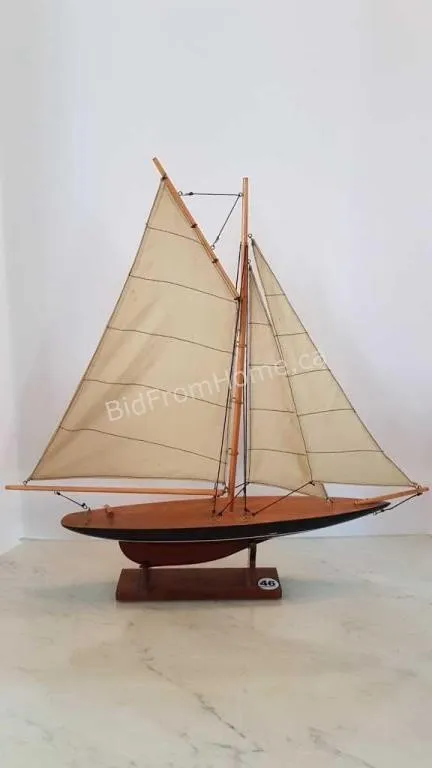
Understanding the wind and water conditions is essential for successful sailing. Observe the wind direction and strength before launching your boat. The wind will affect the boat’s speed and direction. Learn about the different points of sail, such as close-hauled, beam reach, and running. The point of sail refers to the angle of the boat’s sails to the wind. Understand how the wind interacts with the water’s surface, such as the formation of waves and currents. Be aware of any potential hazards, such as submerged objects or strong currents. By understanding the wind and water, you can make informed decisions about how to sail your boat and avoid potential problems. Learning the water’s behavior is key to a successful sailing experience.
Basic Sailing Maneuvers
Mastering basic sailing maneuvers is essential for controlling your model sailboat. These maneuvers include tacking, jibing, and sailing upwind and downwind. Tacking involves turning the boat’s bow through the wind, while jibing involves turning the stern through the wind. Sailing upwind involves navigating against the wind by tacking back and forth. Sailing downwind involves sailing with the wind at your back. Practice these maneuvers in a safe and controlled environment. Start with simple maneuvers and gradually increase the complexity. By mastering these basic maneuvers, you’ll be able to navigate your boat effectively and enjoy the full potential of model sailing. Observe the image below to get a better understanding.
Maintenance and Care
Regular maintenance and care are essential for keeping your model sailboat in top condition. After each sailing session, rinse the boat with fresh water to remove any salt or debris. Inspect the sails, rigging, and hull for any signs of damage. Lubricate any moving parts, such as the rudder and winches, with a marine-grade lubricant. Store your boat in a dry, well-ventilated area away from direct sunlight. Follow the manufacturer’s recommendations for maintenance. By providing regular care, you’ll prolong the life of your model sailboat and ensure that it remains a source of enjoyment for years to come.
Cleaning and Storage

Proper cleaning and storage are critical for maintaining your model sailboat. After each use, rinse the boat with fresh water to remove salt, dirt, and debris. Use a mild soap and a soft cloth to clean the hull and deck. Pay special attention to the sails and rigging, as these components are exposed to the elements. Dry the boat thoroughly before storing it to prevent mildew or mold growth. Store your boat in a cool, dry place, away from direct sunlight and extreme temperatures. Consider using a boat stand or cradle to protect the hull and rigging. Proper cleaning and storage will keep your model sailboat in pristine condition and ready for your next sailing adventure.
Troubleshooting Common Issues
Even with proper care, you may encounter some common issues with your model sailboat. These issues can range from minor problems to more significant repairs. Familiarize yourself with common problems, such as a jammed rudder, tangled rigging, or a malfunctioning radio control system. Consult the manufacturer’s instructions or online resources to diagnose and resolve the issues. Keep a basic repair kit on hand, including glue, tape, and spare parts. If you are unable to resolve a problem, seek assistance from an experienced modeler or a local hobby shop. Troubleshooting common issues will help you maintain your boat and keep it sailing smoothly. Check out the image below for maintenance.
Upgrading and Customization
Once you become comfortable with your model sailboat, you may want to consider upgrading or customizing it to enhance its performance or aesthetics. Upgrades can include improved sails, upgraded radio control systems, or more powerful motors. Customization can involve painting the hull, adding decals, or modifying the rigging. Research different upgrade options and choose those that match your sailing style and preferences. Be sure to follow the manufacturer’s guidelines and use the appropriate tools and materials. Upgrading and customizing your model sailboat will provide you with a unique and personalized sailing experience. See the image below of adding accessories to your model sailboat.
Adding Accessories

Adding accessories to your model sailboat can improve its functionality and appearance. Accessories can include winches, lights, or weather stations. Consider adding a winch to control the sails more precisely. Install lights to allow you to sail at night or in low-light conditions. Add a weather station to monitor wind speed and direction. Choose accessories that are compatible with your model and meet your specific needs. Adding accessories can enhance your sailing experience and add a touch of realism to your model sailboat. Before adding any accessories, ensure it will not impact the sailboat’s balance and performance. Experiment with different accessories and find those that enhance your enjoyment of the hobby.
Advanced Techniques
For experienced model sailors, advanced techniques can further enhance their sailing skills. These techniques include using trim tabs, experimenting with different sail configurations, and learning to sail in various wind conditions. Trim tabs can be used to fine-tune the boat’s balance and performance. Experiment with different sail combinations to optimize your boat’s performance in different wind conditions. Learn to sail in challenging conditions, such as strong winds or choppy water. Mastering advanced techniques will take your model sailing skills to the next level and allow you to enjoy the full potential of this exciting hobby. Advanced techniques often require more experience and a deeper understanding of sailing dynamics. Remember, practice and patience are essential for mastering any advanced sailing technique.
Model sailboats offer a rewarding blend of craftsmanship, technical skill, and the thrill of sailing. By following these seven tips, you’ll be well-equipped to choose a model, build it, sail it, and maintain it. Remember to start with the basics, practice regularly, and enjoy the process. Embrace the challenges and celebrate your successes. With each sail, you will learn and grow as a model sailor. Happy sailing!