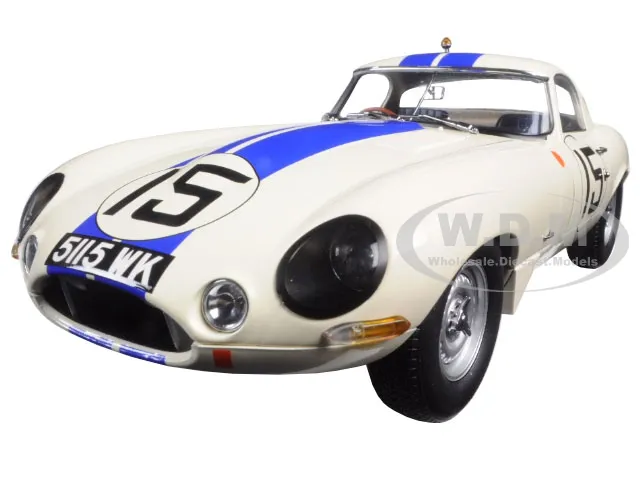
The Allure of Jaguar Diecast Models
Jaguar diecast models represent more than just miniature cars they embody a passion for automotive history, design, and engineering excellence. For enthusiasts, collecting these scaled-down replicas is a journey into the heart of a brand that has consistently produced iconic vehicles. From the sleek curves of the E-Type to the powerful presence of the XJ series, Jaguar’s legacy is perfectly captured in these meticulously crafted models. Each model tells a story, offering a tangible connection to the past and a celebration of Jaguar’s rich heritage. The appeal lies in the detail, the craftsmanship, and the ability to own a piece of automotive art without the need for a garage. Diecast models provide a way to appreciate the beauty of Jaguar’s designs and share the joy of this luxury brand.
Fact 1 History of Jaguar
Understanding the history of Jaguar is crucial to appreciating its diecast models. The Jaguar story began in 1922, initially as the Swallow Sidecar Company, evolving into a manufacturer of stylish and performance-oriented vehicles. The brand’s name, Jaguar, was adopted in 1945, symbolizing elegance, agility, and power. The post-war era saw the release of iconic models like the XK120 and the C-Type, which dominated racing circuits. These successes cemented Jaguar’s reputation for blending luxury with high performance. Diecast models often commemorate these milestones, allowing collectors to own miniature versions of the cars that defined Jaguar’s early success. These models act as a tribute to Jaguar’s roots and their enduring impact on the automotive world.
The Beginnings of Jaguar

The Swallow Sidecar Company laid the foundation for what would become Jaguar. Founded by Sir William Lyons and William Walmsley, the company initially focused on producing sidecars for motorcycles. However, Lyons, a visionary designer, soon shifted the focus to creating stylish and affordable cars. This transition marked the beginning of Jaguar’s journey towards automotive greatness. Early models like the SS100 showcased Lyons’ design sensibilities, with their elegant lines and sporty performance. These early models, though less common in diecast form, are highly sought after by collectors, reflecting the brand’s evolution from motorcycle sidecars to luxury sports cars. The meticulous craftsmanship and attention to detail in these early models set the stage for the future of Jaguar.
Jaguar’s Motorsport Heritage
Jaguar’s motorsport heritage is a significant factor in the appeal of its diecast models. The brand’s racing success, particularly in events like the 24 Hours of Le Mans, has cemented its status as a performance icon. Cars like the C-Type and D-Type, which achieved multiple victories in the 1950s, are highly prized in diecast form. These models often feature accurate replicas of racing liveries, detailed interiors, and realistic engines. Collecting these models provides a way to celebrate Jaguar’s racing achievements, which showcase the brand’s engineering prowess and its dedication to pushing the boundaries of automotive performance. The motorsport connection adds a layer of excitement and prestige, making these diecast models highly desirable for both collectors and fans.
Fact 2 Scale and Detail
The scale and detail of diecast models are crucial to their value and appeal. Common scales such as 1:18, 1:24, and 1:43 offer different levels of detail and size. Larger scales provide more opportunities for intricate features, such as opening doors, detailed engines, and realistic interiors. Smaller scales, while more compact, still aim for accuracy and often feature impressive detailing given their size. Collectors often specialize in particular scales, as each offers a unique collecting experience. The ability to closely examine the details of these models adds significantly to the enjoyment of owning them. Fine details such as accurate paint finishes, realistic wheels, and precisely replicated interiors are what define high-quality diecast models.
Common Scales in Diecast Models

Several scales dominate the diecast model market, each offering a different collecting experience. 1:18 scale is popular for its larger size and detailed features, allowing manufacturers to include intricate elements such as opening doors, detailed engines, and fully realized interiors. 1:24 scale is a common mid-size option, offering a balance between detail and display space. 1:43 scale is a popular choice for its affordability and ease of collecting, allowing enthusiasts to amass larger collections without requiring significant space. 1:64 scale, often associated with Hot Wheels and similar brands, is another accessible scale, especially popular for children and casual collectors. Understanding these scales helps collectors decide which size best suits their interests and display preferences.
Importance of Detailing
Detailing is paramount in the world of diecast models, separating the good from the exceptional. High-quality models strive for accuracy in every aspect, from the paint finish to the smallest interior details. This includes accurate body lines, precisely replicated wheels and tires, and realistic interiors with detailed dashboards, seats, and steering wheels. Features such as opening doors, hoods, and trunks, along with working steering mechanisms, add to the model’s realism and collectibility. Collectors often look for models with photo-etched parts, such as grilles and badges, to enhance detail. Attention to detail is not only a sign of quality but also adds to the model’s value and desirability, making it a centerpiece in any collection.
Fact 3 Popular Jaguar Models in Diecast
Certain Jaguar models are particularly popular in the diecast world, reflecting their iconic status and enduring appeal. The E-Type, often cited as one of the most beautiful cars ever designed, is a perennial favorite. Other sought-after models include the XK120, the classic sports car that launched Jaguar’s post-war success, and the D-Type, a Le Mans-winning racing car. Later models such as the XJ sedans and the more recent F-Type also have strong representation. The popularity of a model in diecast form often mirrors its real-world significance, making these miniature cars highly desirable for collectors. These models not only represent key moments in Jaguar’s history but also provide a connection to the automotive legends.
Iconic Jaguar E-Type

The Jaguar E-Type holds a special place in automotive history and is a must-have for any Jaguar diecast model collector. The E-Type’s stunning design, which included its long hood, flowing lines, and iconic headlamps, revolutionized the sports car world. Diecast models faithfully replicate these features, capturing the elegance and performance that made the E-Type an instant classic. Numerous variations of the E-Type exist in diecast form, including coupes, roadsters, and different engine specifications. Collecting these models offers the opportunity to own a miniature version of one of the most beautiful cars ever made and a symbol of Jaguar’s design legacy. The E-Type diecast models are highly prized and reflect Jaguar’s reputation.
The Classic Jaguar XK120
The Jaguar XK120 played a crucial role in Jaguar’s success and is another popular model in the diecast world. Launched in 1948, the XK120 was a sensation, offering a blend of performance, style, and affordability. Its sleek design and powerful engine quickly established Jaguar as a force to be reckoned with. Diecast models of the XK120 come in various forms, including roadsters and coupes, capturing the car’s elegant lines and sporty character. Owning an XK120 diecast model allows collectors to possess a miniature version of a car that helped launch Jaguar into the global automotive spotlight. The detail and craftsmanship that go into these models celebrate Jaguar’s early successes, making them highly desirable collector’s items.
Fact 4 Materials and Manufacturing
The materials and manufacturing processes used in creating diecast models significantly impact their quality and value. Die-casting, the primary method, involves injecting molten metal (typically zinc alloys) into molds. The quality of the metal, the precision of the molds, and the finishing processes all contribute to the final product. High-quality models often use better materials and more refined manufacturing techniques. Collectors should consider factors such as the paint finish, the use of photo-etched parts, and the overall build quality when assessing a model’s worth. Understanding these aspects gives insight into the craftsmanship and the value that go into creating these miniature automotive treasures.
Die-Casting Process Explained

Die-casting is the backbone of diecast model production, offering a way to create complex shapes with high precision. The process involves injecting molten metal, usually a zinc alloy, under high pressure into reusable steel molds. The molten metal quickly solidifies, taking the shape of the mold. The model is then removed, trimmed, and finished, often including painting, detailing, and assembly. The die-casting process allows manufacturers to create intricate details, such as door handles, grilles, and interior features. The quality of the molds, the pressure used during injection, and the metal alloy determine the final product’s durability and accuracy. Understanding this process helps collectors appreciate the precision and technology involved in the creation of these miniature vehicles.
Materials Used
Zinc alloys, also known as Zamak, are the most common materials for diecast models due to their excellent casting properties, strength, and cost-effectiveness. These alloys allow for intricate detailing while maintaining durability. Other materials are used in conjunction with the diecast metal. Plastic components are often used for interior parts, tires, and other smaller details. Rubber or vinyl is used for the tires, providing realism and grip. High-end models may incorporate photo-etched parts for grilles and badges, enhancing detail. The combination of materials and the precision of the assembly contribute to the overall quality of a diecast model, ensuring that it is both visually appealing and durable.
Fact 5 Collecting Jaguar Diecast Models
Collecting Jaguar diecast models can be a rewarding hobby, offering both enjoyment and the potential for investment. Building a collection involves research, patience, and a passion for the brand. Collectors often focus on specific models, scales, or eras, refining their collection to match their interests. Resources like online forums, collector’s clubs, and specialized publications provide valuable information and opportunities to connect with other enthusiasts. Successful collecting involves staying informed about model releases, prices, and the availability of rare or limited-edition pieces. Careful storage and display are important to protect the investment. The joy of collecting comes from the thrill of the hunt and the satisfaction of building a curated collection of these miniature automotive gems.
Where to Find Models

Jaguar diecast models can be found through various channels, both online and in brick-and-mortar stores. Specialized diecast model shops are a great starting point, as they offer a wide selection and knowledgeable staff. Online marketplaces like eBay and specialized collector websites offer a vast selection, including rare and vintage models. Toy stores and department stores may carry a selection of more common models. Car shows and swap meets provide opportunities to find models from private collectors. Staying informed about new releases from manufacturers is essential, and pre-ordering can secure highly sought-after models. Building a network of trusted sellers and regularly checking different sources maximizes the chances of finding those desired additions to a collection.
Tips for Collectors
Successful collecting of Jaguar diecast models involves several key strategies. First, define your collecting focus—whether you prefer a specific model, scale, or era of Jaguars. Research the models, their history, and their value. Inspect models carefully for any damage or defects, particularly in paint finish and detailing. Protect your investment by storing your models in a safe, dust-free environment, away from direct sunlight. Consider joining a collector’s club or online forum to connect with other enthusiasts and gain valuable insights. Be patient and persistent in your search, as rare models may take time to find. Regularly update the collection with new acquisitions and maintain an inventory to keep track of what you have. Lastly, develop a budget to manage spending and avoid impulsive purchases. With a strategic approach, collecting can become a rewarding and enjoyable hobby.
Fact 6 Value and Rarity
The value and rarity of Jaguar diecast models are influenced by several factors. Limited-edition models, those with a low production run, often command higher prices. The condition of the model, including its original packaging, significantly impacts its value. Models made by renowned manufacturers, known for their craftsmanship and accuracy, tend to be more valuable. Vintage models, particularly those from the early years of diecast production, are often highly sought-after. Market demand, the popularity of the specific Jaguar model, and the overall condition all play a role. Research and understanding the market are essential for both buyers and sellers, enabling collectors to make informed decisions and appreciate the potential of their investments.
Factors Influencing Value

Several factors combine to determine the value of a Jaguar diecast model. The model’s condition is paramount—models in mint condition, with no blemishes or damage, fetch premium prices. Original packaging, including the box and any accompanying documentation, adds significant value. The manufacturer’s reputation and the level of detail play a role, as high-quality models from reputable brands are typically more valuable. Limited-edition models, those with a restricted production run, are often sought-after. The specific Jaguar model’s popularity and its significance in automotive history influence its value. Market demand, collector trends, and historical context all play a part in the evaluation. Researching completed sales prices and consulting with experienced collectors provides valuable insights.
Rare Models to Watch Out For
Certain Jaguar diecast models are particularly rare and command high prices among collectors. Limited-edition models, often produced in small numbers, are highly sought after. Early diecast models from the post-war era, particularly those of the XK120 and C-Type, can be incredibly valuable. Models produced by specific manufacturers known for their exceptional craftsmanship may be considered rare, especially if those brands are no longer in production. Variations in color, trim, or detailing can also contribute to a model’s rarity and value. Models that were only available through exclusive partnerships or promotions are also valuable. Keeping an eye out for these rare models can be a rewarding aspect of collecting, as finding them can significantly enhance a collection’s value and prestige.
Fact 7 Displaying and Preserving Your Collection
Proper display and preservation are essential for maintaining the value and enjoyment of a Jaguar diecast model collection. Displaying the models enhances their visual appeal and allows for appreciation. The display should be in a location that is free from direct sunlight, which can fade the paint, and away from extreme temperatures and humidity, which can damage the models. Preservation techniques, such as storing the models in protective cases or display cabinets, help prevent dust accumulation and accidental damage. Regular dusting and gentle handling are also essential. Thoughtful display enhances the aesthetic value of the collection and protects the investment. Ultimately, displaying and preserving the collection is about safeguarding these miniature automotive treasures for years to come.
Best Display Practices
Optimizing the display of your Jaguar diecast models enhances their appeal and protects their value. Display cases or cabinets provide a controlled environment, protecting against dust, sunlight, and physical damage. Consider using shelves with adjustable heights to accommodate models of different scales. Grouping models by model type, era, or manufacturer can create an organized and visually appealing presentation. Backlighting can accentuate the details of the models, but avoid direct sunlight, which can fade the paint over time. Rotate the display occasionally to prevent fading and allow all models to be featured. Regular dusting and cleaning of the display area are important to keep the models looking their best. A well-organized and carefully lit display adds to the enjoyment of the collection and helps to preserve its value.
Preservation Techniques
Preserving your Jaguar diecast model collection involves several techniques to protect your investment. Always store models in a cool, dry, and dark place to prevent fading, warping, and rust. Consider using airtight containers or display cases to protect against dust and moisture. Avoid handling the models excessively to prevent scratches and fingerprints; use cotton gloves. Regularly dust the models with a soft brush or cloth. Carefully clean any spills or stains with a suitable cleaning solution. If you have the original boxes, store the models in their boxes when not on display, as the packaging adds to the model’s value. By using these preservation techniques, collectors ensure that their Jaguar diecast models will remain in excellent condition for years to come, maintaining their value and enjoyment.
In conclusion, Jaguar diecast models offer a unique way to celebrate the iconic history and timeless design of the Jaguar brand. From the detailed replicas of classic E-Types to the meticulously crafted modern Jaguars, these miniature cars provide an engaging hobby for enthusiasts of all levels. Collecting these models combines the thrill of the hunt with the satisfaction of owning a piece of automotive art. By understanding the history, the manufacturing processes, and the factors influencing value, collectors can build a collection that brings lasting enjoyment and potentially increases in value over time. Whether you are a seasoned collector or new to the hobby, the world of Jaguar diecast models offers a rewarding journey into the heart of automotive excellence.