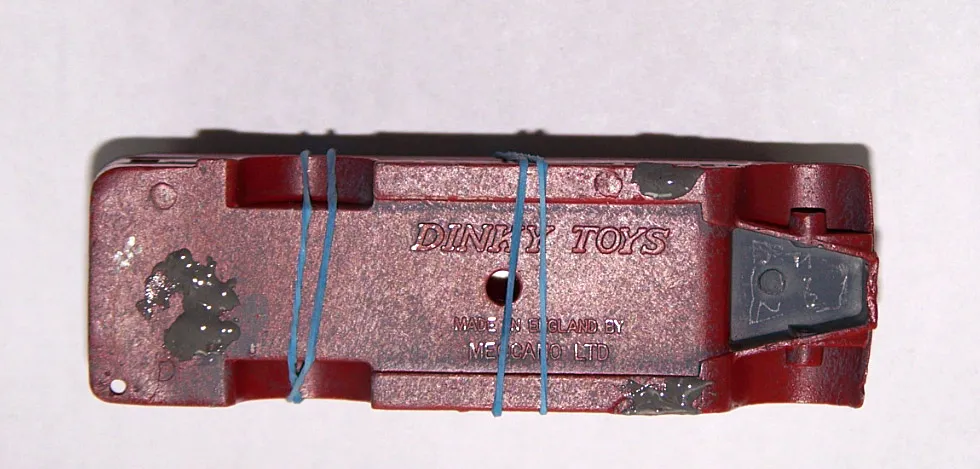
Diecast model cars are cherished collectibles, and maintaining their authenticity is crucial for their value and appeal. A significant part of restoring these models involves addressing the often-overlooked detail of rivets. Rivets are small but essential components that hold the diecast body together, and over time, they can become damaged, rusted, or simply wear out. This comprehensive guide will walk you through the process of replacing diecast rivets, ensuring your models look their best and maintain their structural integrity. With the right tools and techniques, you can breathe new life into your classic diecast cars, preserving their legacy for years to come.
Understanding Diecast Rivets
Before diving into the replacement process, it’s important to understand the role of rivets in diecast models. These small fasteners are designed to securely join various parts of the model, such as the chassis, body panels, and interior components. They play a crucial role in the overall structure and appearance of the car. Understanding their function is the first step in successfully restoring your model.
What are Diecast Rivets
Diecast rivets are typically made of metal, such as steel or brass, and come in various shapes and sizes. They are usually designed with a head on one side and a shaft that is inserted through pre-drilled holes in the diecast parts. The shaft is then either peened or expanded to create a secure connection, holding the components together firmly. The choice of material and design can vary depending on the manufacturer and the specific model, so it’s important to choose the correct type when replacing them.
Why Replace Diecast Rivets

There are several reasons why you might need to replace the rivets in your diecast models. Over time, the original rivets may become loose due to wear and tear, rust, or corrosion. This can lead to a wobbly or unstable model. Furthermore, if you’re disassembling the model for restoration, such as repainting or replacing parts, you’ll need to remove and replace the rivets. Replacing damaged or missing rivets is vital for maintaining the structural integrity and the authentic look of your diecast car, ensuring it remains a valuable part of your collection.
Tools and Materials Needed
Having the right tools and materials is essential for a successful rivet replacement project. Before you begin, gather all the necessary items to ensure a smooth and efficient process. This section outlines the key components needed to tackle the job effectively and achieve professional-looking results. Proper preparation will significantly improve your chances of a successful restoration.
Rivet Removal Tools
Removing old rivets requires precision to avoid damaging the diecast body. You’ll need a set of tools, including a small drill or pin vise, a fine-tipped punch, and possibly a small flathead screwdriver or a rivet removal tool. The drill is useful for gently removing the heads of the rivets, while the punch can be used to push the remaining rivet shaft through the hole. A small hammer is necessary for tapping the punch. Always work slowly and carefully to minimize any risk of damaging the surrounding diecast material.
Rivet Replacement Materials

For replacing the rivets, you’ll need new rivets that match the original type in terms of size, material, and head style. Consider buying a variety pack that includes different sizes. You might also need a small amount of adhesive or epoxy if you want to ensure the new rivets stay securely in place. Make sure to have a clean work surface and good lighting to make the process easier and more precise.
Step by Step Rivet Replacement Guide
This step-by-step guide will walk you through the process of replacing diecast rivets, from start to finish. Following these instructions will help you ensure that your restoration project is a success, and that your diecast model is sturdy and looks great. Taking your time and being meticulous will make all the difference, resulting in a beautifully restored model car. Remember, patience and attention to detail are key!
Removing the Old Rivets
Start by carefully examining the rivets. Use a pin vise or small drill with a bit slightly smaller than the rivet head to gently drill off the head of the old rivet. Be very careful not to apply too much pressure or drill too deep, as this can damage the diecast. Once the head is removed, use a punch and hammer to push the remaining shaft through the hole. Work slowly and methodically to avoid any unnecessary damage to the surrounding area of the car.
Preparing the Diecast for New Rivets

Once the old rivets are removed, inspect the holes to ensure they are clean and free of debris. If there is any rust or corrosion, carefully clean the holes using a small brush and some rust remover. Check the surrounding area for any damage or imperfections. Before inserting the new rivets, make any necessary adjustments or repairs. This will ensure the new rivets fit snugly and provide a secure connection.
Installing the New Rivets
Insert the new rivets into the holes, making sure they are flush with the surface. Use a rivet setting tool or carefully use a punch and hammer to secure them. If you are using rivets that need to be peened, use a small hammer and carefully tap the end of the rivet to expand it and create a secure hold. Ensure that the rivets are securely fastened, and that the parts of the diecast model are properly aligned.
Securing and Finishing
Once the rivets are in place, inspect your work to ensure everything is secure. Check for any loose connections or misalignments. If necessary, you can use a small amount of epoxy or adhesive to further secure the rivets. Once you’re satisfied with the fit and finish, clean any excess adhesive and carefully inspect the model. This final step ensures that your diecast model is both structurally sound and aesthetically pleasing, ready to be displayed or enjoyed.
Common Mistakes and How to Avoid Them

Restoring diecast models can be a rewarding hobby, but it’s essential to be aware of common mistakes to ensure your project is a success. Avoiding these pitfalls will save you time, money, and frustration. Knowing the common mistakes helps you to develop the necessary skills and adopt the correct techniques that can make the difference between a poorly restored model and a show-quality piece. Taking extra care with each step will ensure a professional finish and a long-lasting result.
Choosing the Wrong Rivet Type
One of the most common mistakes is using the wrong type of rivet. This can include using rivets that are too large, too small, or made of the wrong material. Always ensure you use rivets that are specifically designed for diecast models and that match the original specifications of the model. Using incorrect rivets can lead to loose connections, damage to the diecast body, and an overall poor result. Always compare the new rivets with the old ones to be sure of a good match.
Damaging the Diecast Body
Another common mistake is damaging the diecast body during the rivet removal or installation process. This can be caused by using excessive force, using the wrong tools, or not taking enough care. Always work slowly and methodically, and use the appropriate tools for the job. Protect the surrounding areas with tape or padding to prevent scratches or other damage. Taking your time and being patient will help you avoid making mistakes that could ruin your model.
Where to Buy Diecast Rivets

Finding the right rivets is key to a successful restoration. Knowing where to find these small but important components can save you time and effort. Here’s a guide to the best places to source diecast rivets, ensuring you have the right supplies for your project. Purchasing from the right suppliers gives you access to a wide range of options, and ensuring the best fit and finish for your diecast models.
Online Retailers
Online retailers are often the most convenient option for buying diecast rivets. Websites like eBay, Amazon, and specialized hobby stores offer a wide variety of rivets in various sizes and materials. You can easily compare prices, read reviews, and have them delivered directly to your door. Make sure to check the seller’s reputation and read product descriptions carefully to ensure you’re getting the correct rivets for your model.
Specialty Diecast Stores
If you prefer a more hands-on approach, visiting specialty diecast stores can be a great way to find rivets. These stores often carry a wider selection of parts and accessories, and the staff can provide expert advice and assistance. You can physically compare different rivets to ensure you get the perfect match for your model. This is a good option for collectors who value personalized service and expertise.
Maintaining Your Restored Diecast

Once you’ve successfully replaced the rivets and restored your diecast model, it’s important to take steps to maintain its condition. Proper care ensures that your model remains in pristine condition for years to come. Regular maintenance, cleaning, and storage practices will help protect your investment and preserve its value and beauty. By following these guidelines, you can keep your diecast models looking their best.
To keep your model in good condition, avoid exposing it to direct sunlight or extreme temperatures, as this can cause fading and damage. Dust your models regularly with a soft brush or cloth. When storing your models, place them in a display case or a cool, dry environment to protect them from dust and moisture. Handle your models with clean hands to avoid leaving fingerprints or oils on the surface. By following these tips, you can ensure that your restored diecast models remain in excellent condition for many years.
In conclusion, replacing diecast rivets is a vital part of restoring and maintaining your model cars. By following the step-by-step guide, you can successfully replace damaged or missing rivets, preserving the structural integrity and authentic appearance of your models. Remember to use the right tools, materials, and techniques, and avoid common mistakes. With patience and care, you can restore your diecast models to their former glory and enjoy them for years to come.