What You Need to Modify Diecast Cars
Modifying diecast cars is a fantastic hobby that allows you to express your creativity and transform ordinary toy cars into personalized masterpieces. This ultimate guide will walk you through the process, from gathering the necessary tools and materials to mastering various modification techniques and achieving a professional finish. Whether you’re a beginner or an experienced hobbyist, this guide provides valuable insights, tips, and tricks to elevate your diecast car customization skills. Prepare to unleash your inner artist and create stunning miniature vehicles that reflect your unique style.
Essential Tools for Diecast Car Modification
Before you begin, assembling the right tools is crucial for a smooth and enjoyable modification process. A well-equipped workspace will make your projects easier and more efficient. You’ll need a set of small screwdrivers (Phillips head and flathead) for disassembling the car. Hobby knives or X-Acto knives are essential for trimming and detailing. Pliers, including needle-nose pliers, will help with bending and manipulating small parts. A cutting mat will protect your work surface while cutting and sanding. Additionally, you should have a variety of sanding sticks and sandpaper with different grits to smooth surfaces. Super glue or epoxy will be required for assembling parts. A steady hand and patience are also essential tools for success.
Paint and Finishing Supplies

The right paint and finishing supplies can dramatically improve the look of your modified diecast car. Acrylic paints are a popular choice for their ease of use, quick drying time, and wide range of colors. Enamel paints offer durability and a glossy finish but require longer drying times. You’ll also need a selection of paintbrushes, including fine-tipped brushes for detailing and wider brushes for larger areas. A high-quality primer will help the paint adhere to the car’s surface and provide a smooth base. Clear coats, either gloss or matte, will protect the paint and give your car a professional finish. Remember to use painter’s tape to mask off areas you don’t want to paint and a well-ventilated area to minimize inhaling paint fumes. Finally, consider using a polishing compound for the final touch.
Common Modification Techniques for Diecast Cars
Now, let’s dive into the core techniques used in diecast car modification. These techniques will help you customize your cars in a variety of ways. From disassembly and paint removal to bodywork and adding custom details, each step contributes to the transformation of a standard diecast model into a unique piece. Mastering these techniques will open up a world of possibilities, enabling you to create custom cars that showcase your skills and imagination. We’ll cover each technique in detail, providing step-by-step instructions and helpful tips to guide you through the process.
Disassembly and Preparation
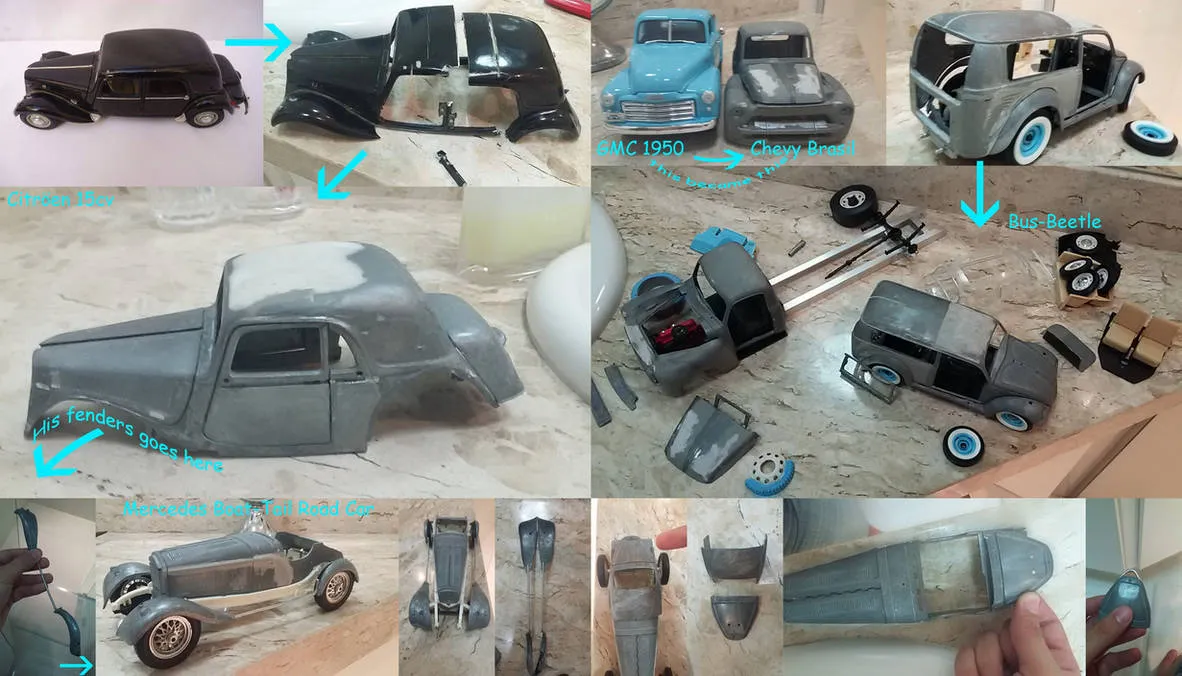
The first step in modifying a diecast car is disassembling it. Carefully remove all the screws and any other fasteners holding the car together. Be gentle and patient, as some parts may be glued or tightly fitted. Once the car is disassembled, you can begin preparing it for modifications. This involves removing the original paint, which can be done using various methods. You can carefully sand the paint off with fine-grit sandpaper or use a chemical paint stripper. Make sure to wear protective gear, such as gloves and a mask, when working with chemicals. After removing the paint, clean the car thoroughly to remove any residue.
Removing the Original Paint

Removing the original paint is a critical step in many diecast car modifications. Several methods can be used, each with its own advantages and disadvantages. Sanding is a common approach, using different grits of sandpaper to gradually remove the paint. Chemical paint strippers can also be effective, but require careful handling due to the chemicals involved. For smaller areas or intricate details, a hobby knife or specialized tools can be used to scrape off the paint. Whichever method you choose, ensure you work in a well-ventilated area and wear appropriate safety gear. After removing the paint, thoroughly clean the car’s body to remove any residue, preparing it for the next steps in the modification process.
Bodywork and Customization
Bodywork involves modifying the car’s exterior to create a custom look. This might include adding body kits, smoothing out panel lines, or reshaping parts of the car. You can use plastic model filler or putty to fill gaps and imperfections. Once the filler has dried, sand it smooth to match the surrounding surfaces. Adding custom details such as spoilers, scoops, or side skirts can also be done using plastic or other materials. Precise cutting, gluing, and sanding are essential for achieving a professional finish. Consider using reference images of real-life cars or custom designs to guide your bodywork and ensure a visually appealing outcome. Remember to prime the modified areas before painting.
Wheel and Tire Swaps
Swapping wheels and tires is a popular modification that can dramatically change a diecast car’s appearance. To perform this, you’ll need to find suitable replacement wheels and tires. Measure the existing wheels and tires to ensure a good fit. You can often find aftermarket wheels and tires specifically designed for diecast cars. Consider the style and size of the wheels, as well as the tread pattern of the tires. When installing the new wheels, you may need to modify the axles or use adapters. Ensure the wheels rotate freely without rubbing against the car’s body. This modification can significantly impact the car’s overall aesthetics, giving it a more aggressive or refined look.
Engine and Interior Detailing

Adding engine and interior details can significantly enhance the realism of your diecast cars. For the engine, you can paint the existing components or add custom parts such as wiring, hoses, and other accessories. Use fine-tipped brushes and detail paints to create realistic effects. In the interior, you can add details such as custom seats, steering wheels, dashboards, and roll cages. Use various materials like plastic, metal, and decals to create these details. Pay attention to color schemes and the overall aesthetic to ensure the interior complements the exterior. These detailed modifications add depth and realism, transforming a simple model into a true miniature work of art.
Adding Custom Decals and Graphics
Adding custom decals and graphics is a great way to personalize your diecast cars. You can create your own decals using decal paper and a printer. You can also purchase pre-made decal sheets with a variety of designs. Before applying decals, ensure the car’s surface is clean and smooth. Carefully cut out the decals and apply them to the car using water or decal setting solutions. Use a hobby knife or cotton swab to smooth out any air bubbles and ensure the decals adhere properly. After the decals have dried, you can apply a clear coat to protect them and give the car a professional finish. Experiment with different designs and placements to create unique and eye-catching cars.
Reassembly and Finishing Touches
Once all the modifications are complete, it’s time to reassemble the car. This involves carefully putting all the parts back together. Precise reassembly is crucial for ensuring that all the components fit correctly and the car functions as intended. After reassembling the car, inspect it carefully to ensure that all parts are securely attached and that there are no visible imperfections. This is the last chance to make any final adjustments before you consider your project complete. You want to ensure that all the hard work is rewarded by a fantastic looking model. After all this time and effort, the finishing touches will make all the difference.
Step-by-Step Reassembly Guide

The reassembly process requires patience and attention to detail. Start by carefully reattaching the interior components to the car’s chassis. Then, attach the body to the chassis, ensuring all the posts and tabs align correctly. Secure the body with screws or any other fasteners you removed during disassembly. Reattach the wheels, making sure they rotate freely. Double-check that all parts are securely in place and that there are no gaps or misalignments. If necessary, use glue to reinforce any loose connections. Once reassembled, inspect the car from all angles to ensure everything is properly aligned and secured. This meticulous approach will ensure that your modified diecast car looks and functions flawlessly.
Tips for a Professional Finish
Achieving a professional finish requires attention to detail and a commitment to quality. Start with thorough preparation, including sanding and priming. Use high-quality paints and clear coats, and apply them in thin, even coats. Allow each coat to dry completely before applying the next. Consider using a polishing compound to remove any imperfections and give the paint a smooth, glossy finish. Pay attention to the small details, such as adding custom decals, detailing the engine and interior, and ensuring all parts are securely attached. Take your time, be patient, and don’t be afraid to experiment. With practice and dedication, you can create stunning, professional-quality diecast car modifications.