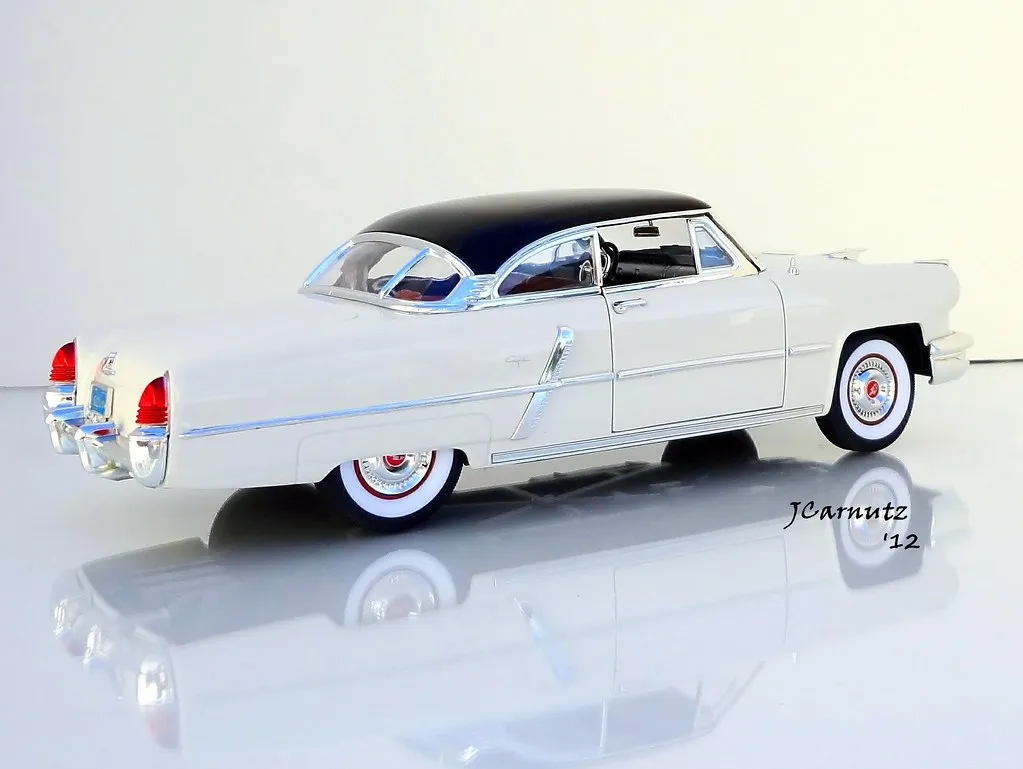
Diecast models, those exquisitely detailed miniature replicas of our favorite cars, are more than just toys; they are a window into automotive history, a testament to engineering precision, and for some, a surprisingly lucrative investment. The world of diecast models is filled with fascinating details often overlooked by the casual observer. This article unveils five hidden facts that will deepen your appreciation for these miniature marvels and perhaps even inspire you to start or expand your own collection. Prepare to discover the secrets that elevate diecast models from simple collectibles to objects of passion and value.
The Allure of Diecast Models
The enduring appeal of diecast models lies in their ability to capture the essence of real-life vehicles in a remarkably compact form. From the sleek lines of a classic sports car to the rugged build of a vintage truck, these miniature replicas provide a tangible connection to automotive history and engineering. They offer collectors a unique opportunity to own a piece of automotive heritage, meticulously crafted to replicate every detail, from the gleaming chrome to the intricate interior. Moreover, diecast models serve as a visual record of design evolution, allowing enthusiasts to trace the stylistic changes and technological advancements that have shaped the automotive industry over time. This passion for detail and historical accuracy is what drives the thriving diecast model forum community.
Hidden Fact 1 The Scale Factor
One of the first things a collector encounters is the concept of scale. This seemingly simple detail has a profound impact on the overall appearance, detail level, and even the value of a diecast model. The scale refers to the ratio between the model’s dimensions and the dimensions of the actual vehicle. Common scales include 1 18, 1 24, 1 43, and 1 64, each offering a different perspective and level of detail. Understanding these scales is crucial to appreciating the craftsmanship involved.
Understanding Different Scales

1 18 scale models are generally the largest and most detailed, often featuring opening doors, hoods, and trunks, along with highly detailed interiors and engine compartments. 1 24 scale models are also popular, offering a good balance of detail and size. 1 43 scale models are smaller and more affordable, making them ideal for building large collections. Finally, 1 64 scale models, often referred to as ‘matchbox’ size, are compact and convenient for display and play. Each scale has its own advantages, catering to different preferences and collecting goals.
The Impact of Scale on Detail and Value
The larger the scale, the more detail the model can accommodate. This translates into a more realistic and impressive replica. Larger scale models often feature more intricate details, such as working steering mechanisms, detailed dashboards, and even miniature seatbelts. This level of detail naturally contributes to the model’s value. Limited-edition models in larger scales, with exceptional detail and craftsmanship, can command significant prices. The scale also affects the display options; larger models require more space, while smaller models can be easily showcased in various settings.
Hidden Fact 2 Material Matters
The primary material used in diecast models is, as the name suggests, die-cast metal. However, the specific alloy used plays a critical role in the model’s durability, detail, and overall quality. The most common metal used is Zamak, a zinc alloy that offers a good balance of strength, castability, and affordability. The choice of material can significantly impact the model’s lifespan and its ability to withstand the test of time.
The Role of Zamak and Other Metals

Zamak is the industry standard, prized for its ability to capture fine details during the casting process. The molten metal is injected into molds under high pressure, allowing for intricate features to be replicated accurately. Other metals, such as aluminum and even steel, can also be used, particularly in higher-end models. Aluminum offers greater strength and corrosion resistance, while steel can provide exceptional durability. The choice of metal often depends on the manufacturer’s production methods and the desired level of detail and quality.
Advantages and Disadvantages of Different Materials
Zamak is relatively inexpensive and easy to work with, making it ideal for mass production. However, it can be susceptible to zinc pest, a form of corrosion that can cause the model to degrade over time if not properly stored. Aluminum models tend to be more expensive but offer greater durability and resistance to corrosion. Steel models are extremely robust but can be more challenging to manufacture. The material used can also affect the model’s weight and feel, contributing to the overall collecting experience.
Hidden Fact 3 The Paint Job Secrets
The paint job is what brings a diecast model to life, transforming a bare metal casting into a stunning replica. The quality of the paint, the techniques used, and the finish applied all contribute to the model’s realism and value. A flawless paint job can make a significant difference in the overall aesthetic appeal and is a hallmark of high-quality diecast models. Careful attention to the paint process is crucial for capturing the authenticity of the original vehicle.
The Importance of Paint Quality

High-quality paint is essential for achieving a realistic and durable finish. The paint must be applied evenly, with no runs, drips, or imperfections. The color should be accurate to the original vehicle, and the finish should be consistent across the entire model. The paint must also be resistant to chipping, fading, and other forms of damage. Many manufacturers use multiple layers of paint, including primer, base coat, and clear coat, to achieve a deep, lustrous finish that protects the model and enhances its appearance.
Different Painting Techniques
Manufacturers employ a variety of painting techniques to achieve different effects. These include airbrushing, pad printing, and tampo printing. Airbrushing is often used for intricate details and shading effects. Pad printing is ideal for applying decals and markings. Tampo printing is used for more complex designs and graphics. Some models even undergo a hand-painted finishing process to achieve the highest level of detail and accuracy. The combination of these techniques results in the final, breathtaking appearance of the model.
Hidden Fact 4 The Historical Connection
Diecast models are not just static replicas; they are tangible links to automotive history. They provide a way to appreciate the evolution of car design, engineering innovations, and the cultural impact of iconic vehicles. The selection of models available reflects the significant moments and trends in automotive history, allowing collectors to curate a collection that tells a story. These miniature cars often become a focal point for conversations and nostalgia among enthusiasts.
Diecast Models and Automotive History

Diecast models faithfully reproduce vehicles from various eras, from the early days of motoring to the cutting-edge designs of modern supercars. They showcase the advancements in engine technology, body styles, and interior design. Collecting models from different periods offers a comprehensive overview of automotive progress and design evolution. The models also often reflect the cultural significance of certain cars, such as those featured in movies, TV shows, or owned by famous personalities.
Iconic Cars and Their Miniature Counterparts
Many diecast models are dedicated to iconic cars that have left an indelible mark on automotive history. These include classic muscle cars, legendary sports cars, and groundbreaking concept vehicles. Owning these miniature replicas allows enthusiasts to celebrate their favorite vehicles and appreciate their historical significance. The availability of models representing such cars further enhances the collecting experience. These models are often the most sought-after and can be a significant value.
Hidden Fact 5 The Investment Potential
While many collect diecast models for passion, these collectibles can also represent a sound investment. The value of a diecast model can appreciate over time, particularly for limited-edition models, rare variants, and those in pristine condition. Factors such as the model’s rarity, the manufacturer’s reputation, and the overall demand contribute to its investment potential. Collecting can become both a rewarding hobby and a financially savvy pursuit.
Factors Influencing Value Rarity, Condition, and Demand

The rarity of a diecast model is a major factor in its value. Limited-edition models, those produced in small quantities, are typically more valuable than mass-produced models. The model’s condition is also crucial; a model in mint condition, with no blemishes or damage, will command a higher price than a model with imperfections. The demand for a particular model is also a significant factor; models of popular cars or those from highly sought-after manufacturers are often more valuable. Collectors should always consider these aspects.
Preserving Your Collection
Proper care and storage are essential for preserving the value of your diecast model collection. Models should be stored in a cool, dry place, away from direct sunlight and extreme temperatures. Displaying models in a protective case can help prevent dust accumulation and physical damage. Regular cleaning and maintenance, such as dusting and polishing, can also help to keep models looking their best. By following these steps, collectors can help ensure that their investment continues to appreciate over time.
The world of diecast models offers a fascinating blend of history, craftsmanship, and investment potential. By understanding the hidden facts discussed in this article, you can deepen your appreciation for these miniature marvels. Whether you’re a seasoned collector or just starting out, exploring these details will enhance your enjoyment of the hobby and perhaps lead you to discover your next treasure. Embrace the passion, explore the details, and enjoy the journey through the captivating world of diecast models. Now, happy collecting!