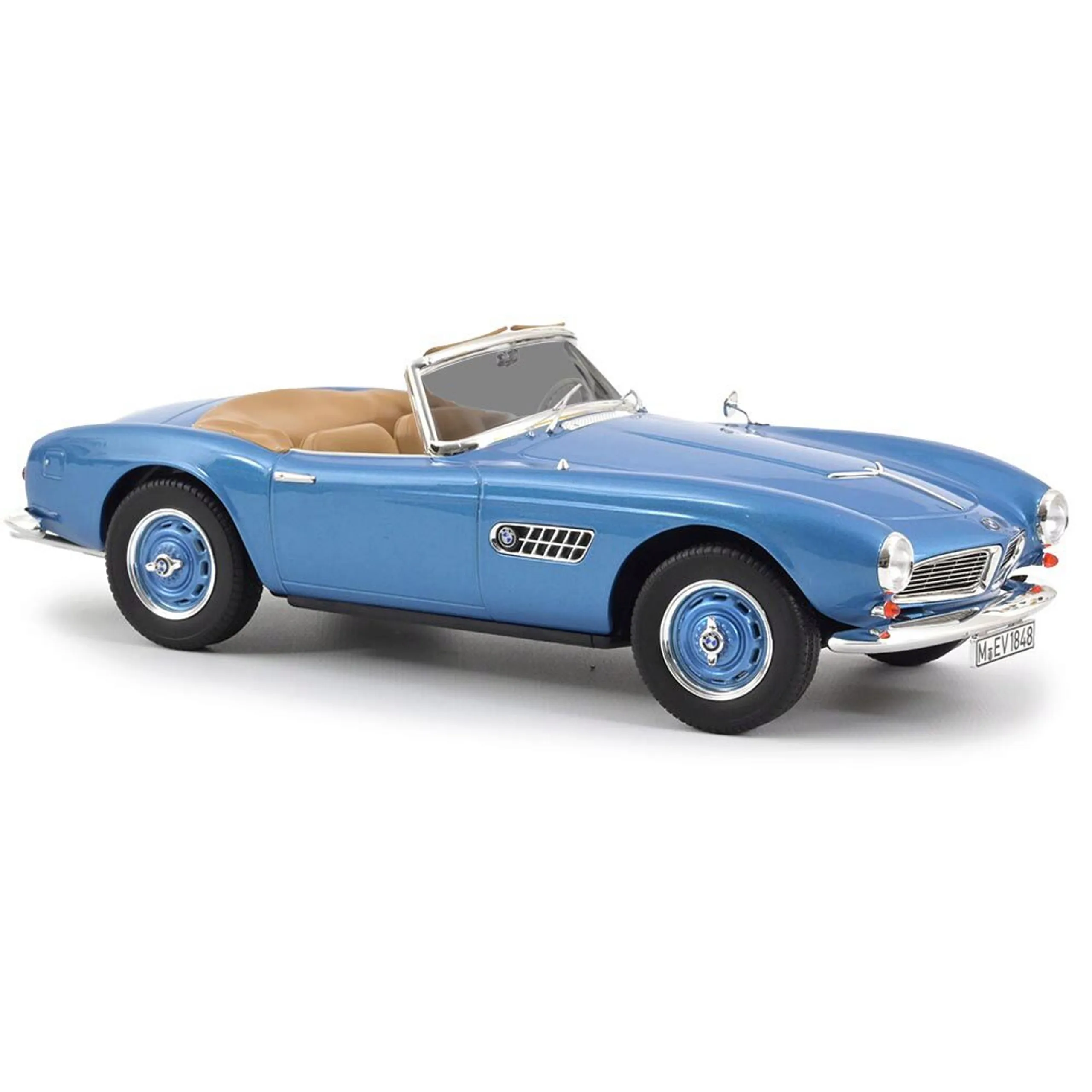
What is a Diecast Model Kit
A diecast model kit is a miniature replica of a real-life vehicle, typically made from diecast metal parts, plastic, and other materials. These kits allow enthusiasts to build their own detailed models from individual components, offering a rewarding and engaging hobby. The process of assembling a diecast model kit often involves cutting parts from sprues, gluing them together, and painting or detailing the finished product. The level of detail in these kits can vary widely, from simple snap-together models to highly intricate kits with hundreds of parts and complex painting requirements. This hobby provides a great opportunity to learn about different vehicles, improve fine motor skills, and enjoy the satisfaction of creating something tangible.
The History of Diecast Model Kits
The history of diecast model kits stretches back several decades, with the earliest examples appearing in the mid-20th century. Initially, these models were primarily toys, but as manufacturing techniques improved and the hobby grew in popularity, diecast model kits became more sophisticated. Early kits were often simple in design, focusing on basic shapes and functions. However, as the demand for more accurate and detailed models increased, manufacturers began to produce kits with a greater number of parts and more realistic features. Over time, diecast model kits evolved into a popular hobby for both children and adults, representing a wide variety of vehicles, including cars, planes, motorcycles, and trains. The evolution of diecast model kits reflects advancements in engineering, design, and the ongoing passion of model enthusiasts.
Types of Diecast Model Kits

Diecast model kits are available in an incredibly diverse range, catering to various interests and skill levels. The types of vehicles represented include almost everything imaginable, offering something for every enthusiast. Understanding the different types available is essential for choosing a kit that suits your preferences. From classic cars to modern race cars, there is an incredible selection. Planes cover a wide variety of aircraft. Motorcycles offer a compact and detailed challenge, and trains provide an opportunity to build complex and functional models.
Cars
Car model kits are perhaps the most popular type of diecast model kit. They span a vast range of makes and models, from vintage classics like the Ford Mustang and the Porsche 911 to modern supercars and everyday vehicles. These kits allow modelers to recreate iconic automobiles with impressive accuracy. Car kits vary in complexity, with some being simpler snap-together models and others requiring advanced techniques such as airbrushing and photo-etch detailing. The wide selection of car models ensures there is something for everyone, whether you are a fan of muscle cars, sports cars, or luxury sedans. Building car models offers a rewarding experience that combines historical appreciation with artistic expression, resulting in detailed replicas that reflect the beauty of automotive design.
Planes
Plane model kits provide modelers with the opportunity to recreate legendary aircraft. These kits vary in size and complexity, representing everything from World War II fighter planes to modern commercial airliners. Building plane models often requires careful attention to detail, as the surfaces of aircraft are covered in intricate markings and features. The assembly process can be complex, with many small parts that require precise fitting and painting. However, the end result is an impressive replica of a flying machine. Plane model kits allow enthusiasts to celebrate aviation history. They offer a fascinating way to learn about different aircraft and the evolution of flight technology, and the finished models make stunning displays for any aviation enthusiast.
Motorcycles

Motorcycle model kits offer a unique challenge, focusing on the intricate engineering of two-wheeled vehicles. These kits often include highly detailed engine components, suspension systems, and bodywork, allowing modelers to create incredibly realistic replicas. Motorcycle kits can range from classic bikes to modern superbikes, providing a wide selection of models to choose from. Building motorcycle models requires a steady hand and attention to detail, as the parts are often small and require careful alignment. The finished models are a testament to the beauty of motorcycle design. They offer a great way to showcase the complexity of the engineering. Motorcycle kits appeal to enthusiasts who appreciate both mechanical detail and stylish design.
Trains
Train model kits allow modelers to recreate the elegance and power of trains. These kits range from simple locomotives and passenger cars to complex freight trains. Building train models can involve a large number of parts and require a thorough understanding of assembly techniques. Some train kits include working features, such as lights, sounds, and even motorized components, which can be integrated to enhance the model’s realism. Model train kits allow enthusiasts to bring together history and technical skills. Constructing a train model allows you to recreate a historic railway era.
Tools and Materials You’ll Need
Before you start your diecast model kit, gathering the right tools and materials is essential. The tools required can range from basic items suitable for beginners to more specialized equipment for experienced modelers. Similarly, the materials you will use, such as adhesives and paints, play a crucial role in the final appearance and durability of the model. Having the right tools and materials will make the building process easier and more enjoyable and will improve the overall quality of your finished model. Investing in quality tools and materials is a wise move and is a worthwhile step for any serious model builder.
Essential Tools for Assembly

The essential tools for assembling a diecast model kit include a hobby knife or sprue cutters for removing parts from the sprues, a cutting mat to protect your work surface, and tweezers for handling small parts. Additionally, you’ll need files or sandpaper to smooth rough edges and a variety of clamps to hold parts together while the adhesive dries. A good set of tools should also include a pin vise with various drill bits for making holes and a set of small screwdrivers for assembling any metal or mechanical parts. A magnifying glass can be beneficial for detailed work. Having the right tools makes the building process easier and more efficient.
Adhesives and Paints
Choosing the right adhesives and paints is vital for achieving a high-quality finish. For adhesives, plastic cement is the most common choice, designed to melt the plastic slightly for a strong bond. Super glue (cyanoacrylate) is useful for fast-setting bonds and for gluing metal parts. For paints, acrylic paints are popular due to their low odor and easy cleanup with water. Enamel paints offer a durable finish but require paint thinner for cleanup. A variety of paint brushes, from fine detail brushes to larger brushes for applying base coats, are necessary. Consider using primer to prepare the plastic surfaces for painting. Using the right adhesives and paints ensures that the model looks good and that the parts stay together.
Where to Buy Diecast Model Kits
Finding the right diecast model kit can be an exciting journey, and knowing where to buy them is key to your success. The market for diecast model kits is varied, with retailers offering a wide range of options, prices, and levels of expertise. From specialized hobby shops to online giants, there are many places to explore, each with its own benefits and drawbacks. The best place to buy a kit depends on your personal preferences, your budget, and your desire to receive expert advice or find hard-to-find models.
Online Retailers

Online retailers provide a convenient way to purchase diecast model kits, offering a vast selection and competitive prices. Popular online retailers such as Amazon, eBay, and specialized model kit stores often have a wide range of kits from different manufacturers. They frequently offer customer reviews and ratings, allowing you to assess the quality of kits before you buy. Online retailers also provide the ease of comparing prices, reading customer reviews, and having the kits shipped directly to your door. However, it’s important to be aware of shipping costs and return policies. Check product details and ensure that the kit you’re purchasing is the correct scale and includes all the necessary parts before making a purchase.
Hobby Shops
Hobby shops offer a more personalized shopping experience, providing expert advice and a chance to see the models in person. These shops often carry a curated selection of diecast model kits, along with the tools, paints, and accessories you need. The staff in hobby shops are often experienced modelers themselves and can provide valuable tips and guidance. Hobby shops are an excellent resource for beginners, offering a great way to ask questions and get hands-on assistance. You can often find rare or out-of-production kits. Hobby shops provide a sense of community among modelers, offering a place to share knowledge and enjoy the hobby.
Flea Markets and Auctions
Flea markets and online auctions such as eBay can be great places to find vintage or rare diecast model kits at a bargain. These venues offer a treasure hunt experience, where you might discover a kit that’s no longer in production or an item at a reduced price. However, buying from these sources carries more risk, as you cannot always inspect the contents before purchasing. Always check for missing parts and the kit’s condition before bidding. It is essential to be informed and prepared to verify the completeness and condition of the kit. Flea markets and auctions offer a chance to find something unique and potentially valuable. If you’re patient and careful, you can find some remarkable deals.
Steps to Building Your First Diecast Model Kit

Building your first diecast model kit can be a rewarding experience, but it’s essential to approach the project with patience and the right techniques. The process typically involves several key steps: Preparing the parts, assembling the model, and painting and detailing it to make the model look realistic. Each stage requires care and attention to detail. Starting with a simple kit and following the instructions carefully will help you build a great model. Remember that building a model is a learning process, so be patient with yourself. Enjoy the process of bringing your model to life.
Preparing the Parts
Preparing the parts is a crucial first step in building your model. Carefully remove the parts from the sprues, using sprue cutters or a hobby knife. Be sure to cut each part as close to the sprue as possible, leaving a minimal amount of plastic. Use a hobby knife or file to remove any excess plastic or flash from the parts. It’s a good idea to wash the parts with warm, soapy water to remove any mold release agents or dust, which can interfere with paint adhesion. Take your time to identify each part and become familiar with the instructions. Careful preparation will make the assembly process much smoother.
Assembling the Model
Once the parts are prepared, it’s time to start assembling your model. Follow the instructions carefully, paying close attention to the order of assembly. Use plastic cement to join plastic parts. Apply a small amount of cement to the joining surfaces, then press the parts together. Hold the parts in place until the cement has dried and the bond is secure. For metal parts, use super glue. Test-fit the parts before gluing to ensure proper alignment. Use clamps or tape to hold the parts together while the glue dries. Assemble the model step by step. Keep your workspace clean and well-lit, making it easier to see the details.
Painting and Detailing

Painting and detailing brings your model to life. Start by priming the model to create a smooth surface for the paint. Use acrylic paints. Apply thin, even coats of paint, allowing each coat to dry before applying the next. Once the base coat is dry, add details using various techniques such as dry brushing for weathering and panel lines. Use decals for markings, and seal them with a clear coat. For a more detailed look, consider adding washes to emphasize details and add depth. Practice different painting techniques. Experiment with various colors and finishes to create a realistic and visually appealing model.
Displaying and Protecting Your Model
Once your diecast model is complete, displaying and protecting it ensures that your hard work is appreciated and preserved. Proper display methods not only showcase your model but also protect it from dust, damage, and the effects of the environment. Whether you choose a simple display case or a custom-built diorama, the way you display your model can significantly impact its presentation and longevity. Take time to select a suitable display location, considering factors such as lighting, temperature, and humidity. Consider the placement of your model to preserve its beauty.
Tips for Beginners
Starting with a simple kit is best. Choose models with fewer parts and straightforward assembly instructions. Read the instructions carefully before you start, and familiarize yourself with the steps. Take your time. Don’t rush the process. Quality over speed. Invest in good tools. A good hobby knife, sprue cutters, and a cutting mat will make the process much easier. Use the right adhesives and paints for the type of plastic or metal parts you are working with. Practice your techniques. Painting and detailing take practice. Take breaks when you feel frustrated. Remember that model building is a hobby meant to be enjoyed. Clean up your workspace. Keep your work area clean and organized.
Common Mistakes to Avoid

Avoid rushing the assembly process. Take your time and follow the instructions carefully. Don’t use too much glue. Excess glue can damage the parts and make them look unsightly. Don’t apply paint in thick coats. Multiple thin coats are better than one thick coat. Avoid using the wrong type of paint or adhesive. Always test-fit parts before gluing them. Forcing parts together can break them. Don’t skip the priming step. Priming helps the paint adhere and creates a smoother finish. Learn from your mistakes. Model building is a learning process. Don’t be afraid to experiment.
Maintenance and Care
Regular maintenance and care are essential to keeping your diecast model looking its best. Dust your model regularly with a soft brush or cloth. Avoid using harsh chemicals or abrasive cleaners. Store your model in a cool, dry place away from direct sunlight and extreme temperatures. If you need to transport your model, do so carefully. Use padding and secure it to prevent damage. Inspect your model periodically for any signs of wear and tear. Perform any necessary repairs or touch-ups to maintain its appearance. By following these maintenance tips, you can ensure that your model stays in excellent condition for years to come.
Advanced Techniques
Once you’ve mastered the basics, you can explore more advanced techniques to enhance the detail and realism of your models. One technique is weathering, where you simulate the effects of wear and tear on your model. This can involve using washes, dry brushing, and pigments to create realistic effects. Another advanced technique is scratch-building, which involves creating parts from scratch. Modifying a kit involves making alterations or adding details to the model that are not included in the original kit. Airbrushing allows for more precise and even paint application. Experiment with different techniques. Join a model-building club or online forum. Sharing ideas, techniques, and receiving feedback are great for the process.