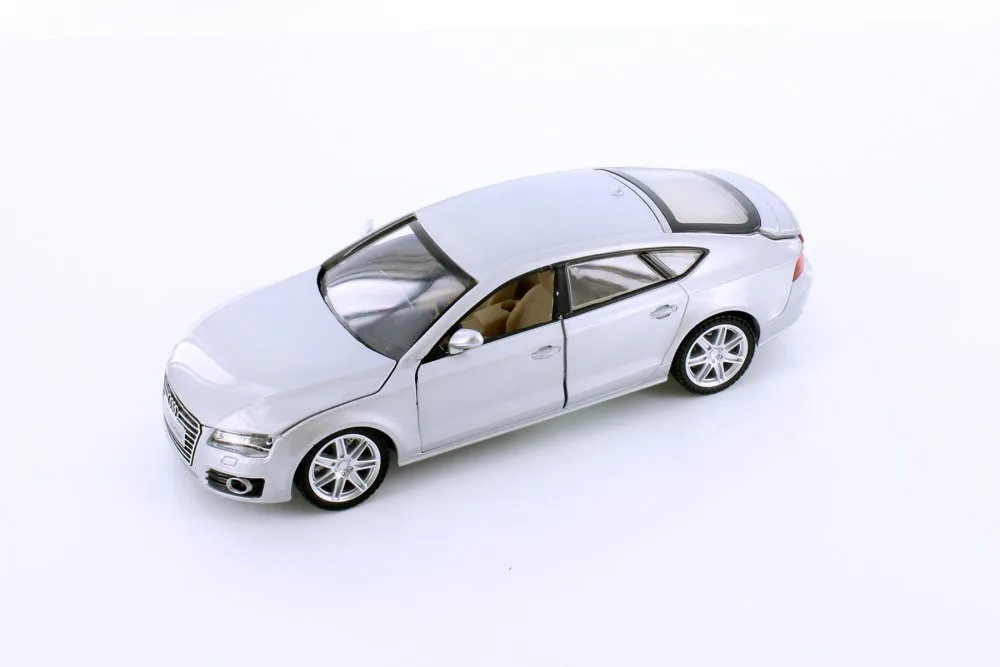
What are Diecast Model Cars?
Diecast model cars are miniature replicas of real-life vehicles, meticulously crafted to capture the details of their full-sized counterparts. These models are typically made using a die-casting process, where molten metal is injected into a mold, creating a highly detailed and durable product. They are a popular hobby for collectors of all ages and are prized for their accuracy, quality, and collectibility. From classic cars to modern supercars, diecast models offer a tangible connection to the automotive world and the history of car design and engineering. They vary widely in scale, detail, and price, making them accessible to a diverse range of enthusiasts, and serve as a fascinating window into the world of automobiles.
Detailed Craftsmanship
One of the most captivating features of diecast model cars is the exceptional level of detail. Manufacturers go to great lengths to replicate every aspect of the original vehicle, from the body shape and paintwork to the interior, including the dashboard, seats, and steering wheel. Many models feature opening doors, hoods, and trunks, revealing the engine and interior with stunning accuracy. The use of different materials, such as metal, plastic, and rubber, adds to the realism. The precision of the manufacturing process ensures that the models are not only visually appealing but also feel substantial and high-quality, enhancing the overall collecting experience. The craftsmanship is a testament to the dedication of the manufacturers to bring the real cars to life in miniature forms.
Materials and Production

The die-casting process is key to the quality of these models. Molten metal, usually zinc alloys, is injected into a mold under high pressure. This method allows for intricate designs and fine details. After cooling, the model is removed, and any excess material is trimmed. The body is then painted with multiple layers, often using automotive-grade paints, to achieve a realistic finish. The interiors are usually made of plastic, and often hand-assembled with meticulous attention to detail. Tires are commonly made of rubber, adding to the authenticity. This multi-step process requires skilled labor and precision, resulting in high-quality, durable models. The choice of materials contributes significantly to the model’s weight, feel, and overall aesthetic appeal.
Realistic Designs
The design of diecast model cars is incredibly realistic, replicating every curve, line, and emblem of the original vehicle. Designers use original blueprints, photographs, and even digital scans to ensure accuracy. Modern manufacturing techniques allow for incredibly detailed features, such as accurate headlight designs, intricate grille patterns, and even working suspension systems in some models. The paint finishes are often precisely matched to the colors used on the real cars, adding to the overall authenticity. The attention to detail extends to the interior, where you can find realistic seats, dashboards, and even tiny seat belts. This level of realism makes these models highly sought after by collectors, car enthusiasts, and anyone who appreciates the beauty of automotive design.
The Importance of Scale
Scale is a crucial element in the world of diecast model cars, influencing the level of detail, size, and collectibility of each model. Common scales include 1:18, 1:24, 1:43, and 1:64, each representing a different proportion of the original vehicle. The 1:18 scale models are usually the largest and most detailed, offering the highest level of realism. 1:43 and 1:64 scales are more compact, making them easier to display and collect in large numbers. The scale chosen affects not just the physical size but also the level of detail that can be included. Collectors often specialize in a particular scale, building extensive collections of cars that share a consistent size and aesthetic. Choosing a scale often depends on personal preference, available display space, and the level of detail desired.
Durability and Longevity

Diecast models are known for their durability and longevity, which is a major advantage over many other collectible items. The die-casting process creates a strong and sturdy body that can withstand handling and display. The use of high-quality materials and meticulous construction methods contributes to their long lifespan. With proper care, these models can last for decades, and even centuries. This durability makes them appealing for both collectors and those looking for a lasting investment. Their robust construction also makes them suitable for display in various environments, without significant risk of damage. Regular cleaning and careful storage can further extend the life of these miniature masterpieces.
The Value of Collecting
Collecting diecast model cars is a rewarding hobby that offers a range of benefits, from personal enjoyment to potential investment value. Collectors often find joy in the pursuit of rare and unique models, the thrill of the hunt, and the satisfaction of completing their collections. These models can also be a great conversation starter, connecting enthusiasts with others who share their passion. The history and design of these cars are often associated with specific times, places, and significant events, making them a fascinating window into the past. Furthermore, a well-maintained collection can appreciate in value over time, turning the hobby into a potential investment. The community around diecast models is another huge aspect of collecting, with clubs and events bringing people together.
What Makes a Diecast Model Valuable?
Several factors contribute to the value of diecast model cars, making some models more sought-after than others. Rarity is a key factor, with limited edition models or those produced in small quantities commanding higher prices. Detail and accuracy are also important; models with intricate features and precise reproductions of the original vehicles are highly valued. Condition is another crucial element; models in mint condition, with original packaging, are usually worth significantly more than those with damage or missing parts. Demand also plays a major role, with popular car models, and brands often attracting higher bids. The history of the model, and whether it represents a significant vehicle, can also increase its value. Collectors often research a model’s background to understand its potential worth.
The Rarity Factor

The rarity of a diecast model car often determines its value in the collecting world. Limited edition models, those produced in small quantities, or special promotional items are particularly sought-after. Variations in color, trim, or specific features can also increase rarity. Some models are released for a limited time or only in certain regions, making them more challenging to obtain. Certain brands, or specific model runs, may also become rarer over time as they are retired from production or as the manufacturer focuses on newer models. The rarity of a model significantly increases its desirability among collectors. Searching for and owning rare models can be a significant source of pride for collectors, making the hobby all the more engaging and rewarding.
Collecting Strategies
Successful diecast model car collecting involves careful planning and strategy. Collectors should begin by deciding on a focus, such as a specific make, model, or scale. Researching models, brands, and pricing is essential before making purchases. Building a collection is often a long-term endeavor, so patience and persistence are crucial. It’s also important to establish a budget to manage spending. Networking with other collectors can also provide valuable insights and opportunities to acquire rare items. Attending car shows, auctions, and online forums can broaden your knowledge and access to potential finds. Proper storage, and documentation, of your collection are also essential for preserving the value of your items. Collectors should always be aware of fakes and reproductions.
How to Maintain Diecast Models
Proper maintenance is essential for preserving the appearance and value of your diecast model cars. This includes regular cleaning, careful storage, and handling to prevent damage. Cleaning removes dust, dirt, and fingerprints, which can degrade the model over time. Proper storage protects the models from environmental factors such as extreme temperatures, humidity, and direct sunlight. Handling the models with clean hands, and avoiding excessive force, prevents scratches and other damage. Regular inspections can help you identify any issues early on, allowing for timely intervention. Taking care of your models is an investment in their long-term value, ensuring that they remain a source of enjoyment and pride for many years to come.
Proper Storage Techniques

Effective storage is vital to protecting your diecast model cars. Keep models away from direct sunlight to prevent fading and damage to paint. Store models in a cool, dry environment, away from extreme temperatures and humidity. Using display cases or enclosed shelves can help protect against dust and accidental damage. Consider using individual boxes or protective sleeves for models without original packaging to prevent scratches. Avoid storing models in attics or basements, where temperature and humidity fluctuations are common. Proper storage not only preserves the models’ condition but also helps in maintaining their value. Organize your collection to make it easy to view and enjoy while ensuring their protection.
Cleaning and Maintenance Tips
Regular cleaning is essential for keeping your diecast model cars looking their best. Use a soft, clean cloth or a microfiber cloth to dust the models gently. Avoid harsh chemicals or abrasive cleaners, which can damage the paint and details. For more thorough cleaning, use a slightly damp cloth with mild soap and water, and dry immediately. Pay close attention to crevices, wheels, and other intricate areas, using a small brush or cotton swabs to remove dirt. Inspect the models regularly for any signs of wear or damage, and take appropriate action. When storing models, make sure they are completely dry to prevent rust or other issues. Careful cleaning and maintenance will help your collection to retain its beauty and value.
Where to Buy Diecast Models
There are several avenues for acquiring diecast model cars, catering to different preferences and budgets. Local hobby shops are a great place to start, as they often carry a selection of models and offer the opportunity to see the models in person. Online retailers provide a vast selection of models, and allow for easy price comparison and shopping. Car shows and collector events are excellent for finding rare models and meeting other enthusiasts. Auctions, both online and in person, offer the chance to acquire collectible models at competitive prices. The choice of where to buy diecast models depends on your preferences, budget, and the types of models you are seeking. The diversity of options makes collecting more accessible and enjoyable.
Online Retailers vs. Brick and Mortar Stores

Both online retailers and brick-and-mortar stores offer their own advantages when it comes to buying diecast model cars. Online retailers typically offer a wider selection, often including rare or hard-to-find models, and allow for easy price comparison. The convenience of shopping from home, and the ability to read reviews from other collectors, are also attractive. Brick-and-mortar stores offer the opportunity to see and examine models in person, allowing you to assess their quality and condition before making a purchase. The personal interaction with store staff, and the ability to receive immediate assistance, can also be valuable. Many collectors enjoy the experience of browsing a physical store and discovering unexpected finds. Consider your priorities and what factors are most important to you when choosing where to buy your models.
Auctions and Collector Events
Auctions and collector events provide exciting opportunities to acquire diecast model cars, particularly rare or vintage models. Auctions can range from local sales to international events, offering a wide variety of models and price points. Collector events, such as car shows and model expos, often include vendors selling models, as well as opportunities to meet other collectors and share information. At auctions, it is essential to do your research, set a budget, and be prepared to bid competitively. Collector events offer the chance to see models up close, network with other enthusiasts, and potentially find a hidden gem. These events can offer an exciting environment, and add a dynamic element to the collecting experience.
In conclusion, diecast model cars offer a rich and rewarding hobby, with a fascinating blend of craftsmanship, collectibility, and historical relevance. From the intricate details of each model to the strategies of collecting and maintaining them, this hobby provides endless opportunities for enjoyment. Whether you are drawn to the meticulous detail, the thrill of the hunt, or the potential investment value, collecting diecast models can bring a sense of community and a lasting appreciation for the beauty of automotive design. These miniature replicas are more than just toys; they are tangible pieces of art, history, and passion.