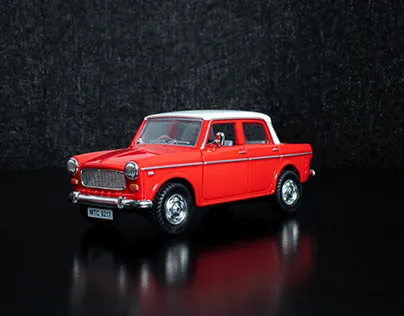
The world of collecting and model enthusiasts is vast and varied, with diecast models holding a special place. But what exactly does “diecast” mean? This comprehensive guide delves into the meaning of diecast models, their manufacturing process, the different types available, the benefits of collecting them, and how to care for your own collection. Whether you’re a seasoned collector or just curious, this article will provide you with a thorough understanding of the fascinating world of diecast models.
What is Diecast Understanding the Basics
Diecast models are miniature replicas of vehicles, structures, or figures, produced using a specific manufacturing process called die casting. This process involves injecting molten metal, typically zinc alloys, into molds, or dies, under high pressure. The resulting models are known for their durability, detail, and realistic appearance. The term “diecast” refers to both the process and the resulting product. These models are popular among collectors of all ages, as they offer a way to appreciate design, history, and engineering on a smaller scale. They range in size, from small toy cars to large, detailed models of airplanes and other vehicles.
The Diecast Manufacturing Process
The diecast manufacturing process is a sophisticated method that ensures precision and durability. The process typically begins with the creation of the die, which is a mold made of steel. Molten metal is then injected into the die under high pressure. Once the metal cools and solidifies, the mold is opened, and the finished model is removed. This process allows for intricate details and accurate replication of the original vehicles. The die casting method is known for its ability to produce high volumes of parts quickly and efficiently. Each model often undergoes several stages of quality control to ensure the highest standard is met. This meticulous manufacturing process is what sets diecast models apart, contributing to their collectibility and longevity.
Materials Used in Diecast Models

The most common material used in diecast models is a zinc alloy, which offers an excellent combination of strength and the ability to capture fine details. Other materials, such as aluminum and magnesium alloys, may also be used, depending on the specific requirements of the model. These alloys provide a durable and robust finish that can withstand the test of time, making them ideal for display and handling. Some parts of the models, such as tires and windows, are often made from plastic or rubber, to enhance the overall detail and realism of the model.
The Die Casting Technique
Die casting is a highly precise process that forms the basis of diecast model production. Molten metal is forced into a mold under high pressure, filling every intricate detail of the design. This pressure allows for the creation of complex shapes and fine features, such as grilles, emblems, and panel lines, that would be impossible to achieve with other manufacturing methods. The process ensures that the models have a high degree of accuracy and detail, leading to their appeal to collectors. Because of the high pressure, the resulting models are very durable and can withstand wear and tear, maintaining their value over time.
Types of Diecast Models
Diecast models come in an incredible variety of types, appealing to a wide range of interests. From classic cars to modern aircraft and motorcycles, there’s a diecast model for almost every vehicle imaginable. These models often come in various scales, such as 1:18, 1:24, and 1:43, meaning the model is a proportional representation of the original vehicle. This diversity makes it possible for collectors to specialize or to build a comprehensive collection of different models. The level of detail and the variety of models makes diecast collecting an absorbing and rewarding hobby.
Diecast Cars

Diecast cars are among the most popular types of models, representing a vast range of vehicles, from vintage classics to contemporary supercars. These models often feature opening doors, detailed interiors, and realistic paint jobs, to closely replicate the original vehicles. Collectors often focus on particular makes, models, or time periods, allowing them to create focused collections. The level of detail found in many diecast car models makes them highly sought-after by collectors, as they can bring the beauty of engineering to your own home.
Diecast Airplanes
Diecast airplane models appeal to aviation enthusiasts and collectors. These models accurately depict a variety of aircraft, from historic warplanes to modern commercial jets. The detail in these models can be truly impressive, with accurate representations of wings, engines, and even pilot cockpits. Collectors appreciate the precision and craftsmanship that goes into these models, making them a special part of the diecast world. Many airplane models come with stands, allowing them to be beautifully displayed.
Diecast Motorcycles
Diecast motorcycle models offer a unique collecting opportunity for bike enthusiasts. These models showcase the intricate designs and engineering of motorcycles from various eras and styles. They feature detailed engines, wheels, and bodies, capturing the essence of these iconic machines. Motorcycle collectors often appreciate the precision and craftsmanship evident in these models, which can bring the spirit of the open road to your display case. These models add variety to the collection, reflecting different aspects of transportation design.
Benefits of Collecting Diecast Models

Collecting diecast models provides enjoyment and offers several benefits. For many, it’s about reliving childhood memories or appreciating the beauty of classic vehicles. Beyond the aesthetic appeal, collecting diecast models can have unexpected advantages, including educational value, investment potential, and sentimental value.
Educational Value
Collecting diecast models provides an excellent opportunity to learn about history, engineering, and design. Models of classic cars can teach you about automotive history, while airplane models can teach you about aviation and design. It provides insights into the evolution of technology and transportation. Collectors often research the models, learning about the vehicles’ specifications, their production history, and their cultural significance. This research enhances the enjoyment of the hobby, turning it into a learning experience.
Investment Potential
Certain diecast models can increase in value over time, making them a potential investment. Limited edition models, models in mint condition, and models of rare vehicles are particularly likely to appreciate in value. The investment potential of diecast models adds an extra layer of interest for collectors, who often track the market and make informed decisions about which models to acquire. Like any investment, it is important to research and understand the market before investing in diecast models.
Sentimental Value

Diecast models often hold sentimental value for their owners. They can evoke memories of childhood, family, or special events. For many, collecting is a way to connect with their past and to share their interests with others. The sentimental value can be especially strong for models that were owned by family members or that represent vehicles from a significant time in one’s life. These models can become treasured heirlooms, passed down through generations.
Diecast Models Features
Diecast models are celebrated for their intricate features and realistic designs, which make them so attractive to collectors. These features enhance the appeal of the models, providing a detailed and enjoyable collecting experience. The attention to detail and the quality of manufacturing are key aspects that set these models apart and contribute to their collectibility.
Detailed Design and Scale Accuracy
Diecast models are created with meticulous attention to design and scale accuracy. These models come in different scales, such as 1:18, 1:24, and 1:43, and are designed to be proportional representations of the original vehicles. This attention to detail is one of the main reasons why collectors appreciate these models. The design accuracy ensures the models are aesthetically pleasing and historically accurate, which increases their value and appeal to collectors.
Realistic Features

Realistic features add to the charm and appeal of diecast models. Many models have opening doors, hoods, and trunks, detailed interiors, and realistic paint jobs. Features can range from working steering wheels to detailed engines, simulating the original vehicles as closely as possible. These features make diecast models more engaging and enjoyable, enhancing the overall collecting experience. The level of realism is often a crucial factor for collectors when selecting models.
Durability and Quality
The durability and quality of diecast models are significant factors in their appeal. The die casting process, along with the use of high-quality materials, ensures that these models are strong and long-lasting. This makes them ideal for both display and handling. Collectors appreciate the investment they are making when purchasing a diecast model, and durability ensures that their models retain their value and can be enjoyed for many years to come. The quality of materials, craftsmanship, and finish contributes to the models’ overall appeal and longevity.
Caring for Your Diecast Collection
Proper care ensures that your diecast models maintain their appearance and value. Simple maintenance and storage strategies can prevent damage and preserve your collection for years to come. The effort put into caring for your models is worthwhile, and helps make certain that your investment stays protected.
Cleaning and Maintenance

Regular cleaning and maintenance are essential to preserving the appearance of your diecast models. Dust can accumulate over time and damage the paint and details. Use a soft brush or cloth to gently remove dust and debris. For more stubborn dirt, you can use a damp cloth with a small amount of mild soap. Avoid using harsh chemicals or abrasive cleaners. Always dry the model thoroughly after cleaning. Proper maintenance will ensure the models remain visually appealing and free from damage.
Proper Storage
Proper storage is crucial to protect your diecast models from damage. Display your models away from direct sunlight, which can fade the paint. Keep them in a location with stable temperature and humidity levels to prevent corrosion. Consider using display cases or protective covers to protect them from dust and accidental damage. When storing models for extended periods, consider wrapping them in acid-free tissue paper to protect their finish. Proper storage ensures your collection remains in excellent condition, preserving the aesthetic appeal and value of the models.
In conclusion, the meaning of “diecast” encompasses a manufacturing process, a product type, and a passion for collecting. Diecast models offer a fascinating look into history, design, and engineering, making them a compelling hobby. From understanding the basics of die casting to appreciating the detailed features and benefits of collecting, diecast models provide an enjoyable and rewarding experience for enthusiasts of all ages. By caring for your models and staying informed about the latest trends, you can enjoy the world of diecast for many years.