Understanding Diecast Custom
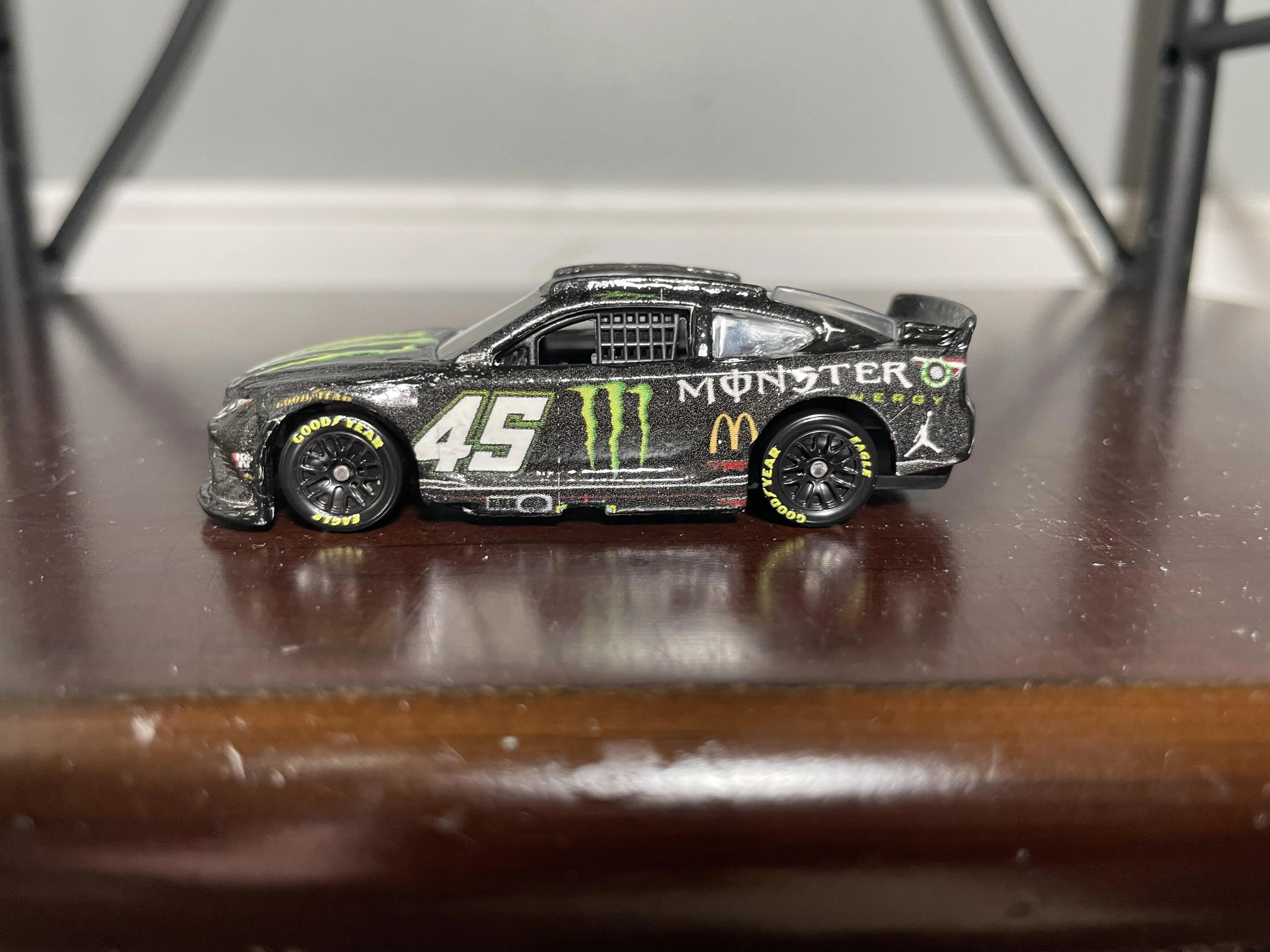
Diecast custom, in its essence, is the art of transforming mass-produced miniature vehicles into unique, personalized models. It goes beyond simply collecting; it involves modifying, detailing, and enhancing diecast cars to reflect individual creativity and preferences. This hobby blends craftsmanship, artistic expression, and a passion for automobiles, offering enthusiasts a tangible way to engage with their favorite cars and create miniature representations of their dreams. From subtle modifications to complete overhauls, diecast custom allows for a vast range of personalization, making each model a one-of-a-kind creation.
What is Diecast Custom?
Diecast custom involves taking pre-made diecast models and altering them. This can include anything from repainting the car, adding custom decals, modifying the chassis, or even changing the wheels and tires. The goal is to create a model that is unique and reflects the individual’s tastes. Diecast custom is a broad term, encompassing various levels of modifications, from simple paint jobs to complex, scratch-built components. The level of detail and complexity depends entirely on the modeler’s skill, time, and resources. It is a hobby that allows for continuous learning and improvement, providing a satisfying creative outlet for automotive enthusiasts.
The Appeal of Custom Diecast
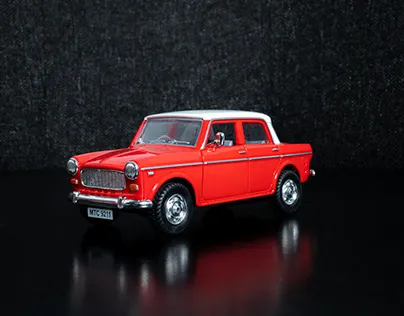
The appeal of diecast custom lies in its blend of creativity, precision, and the joy of transforming something ordinary into something extraordinary. It’s a hobby that caters to a wide range of interests, from car enthusiasts to model builders and artists. Customizing diecast models offers a unique opportunity to express oneself and create tangible representations of personal interests, whether it’s recreating a specific car, a fictional vehicle, or a completely original design. The hands-on nature of the hobby provides a sense of accomplishment, as each completed model is a testament to the modeler’s skills and dedication. Moreover, the diecast community fosters a supportive environment where enthusiasts share knowledge, inspiration, and a shared passion for these miniature works of art.
5 Ways to Create Unique Diecast Models
Creating unique diecast models involves several key areas of customization. These techniques, when combined, allow modelers to achieve truly exceptional results and create models that stand out from the crowd. From basic modifications to advanced techniques, the possibilities are endless. Mastering these methods not only enhances the appearance of the models but also adds a personal touch that reflects the modeler’s skill and vision. Each of these five methods offers a unique opportunity to transform a standard diecast into a personalized masterpiece.
Modifying the Body and Exterior
Body modifications are fundamental to diecast customization, allowing for significant changes to the model’s overall appearance. This can include smoothing out imperfections, adding custom body kits, or even modifying the shape of the vehicle. Bodywork often involves sanding, filling, and reshaping parts to achieve the desired look. Cutting and reassembling body panels can create a more accurate representation of a real car or a completely original design. The key is to work patiently and carefully, using appropriate tools and materials to ensure a smooth, realistic finish. These changes can range from subtle enhancements to dramatic transformations, significantly impacting the model’s visual appeal.
Choosing the Right Paints and Finishes

The choice of paint and finish is critical in diecast customization, impacting both the model’s appearance and its durability. High-quality paints specifically designed for model cars are recommended, as they provide excellent coverage and adhesion. Options include enamel, lacquer, and acrylic paints, each with unique properties. Proper preparation is essential, including cleaning, priming, and sanding the surface to ensure the paint adheres properly. Finishes such as clear coats add protection and enhance the shine, while weathering techniques can create a realistic, aged appearance. Experimenting with different colors, finishes, and techniques allows modelers to achieve a wide range of effects, from a factory-fresh look to a heavily customized design.
Detailing and Adding Accessories
Detailing elevates diecast models to another level, adding realism and visual interest. This involves adding small details such as custom headlights, taillights, grilles, and interior components. Accessories such as spoilers, wings, and aftermarket parts can also be incorporated. Modelers often use various materials like photo-etched parts, resin, and scratch-built components to create these details. Adding realistic interiors, including seats, dashboards, and steering wheels, can significantly enhance the model’s overall appearance. The level of detail reflects the modeler’s skill and dedication, transforming the model from a toy to a true work of art. This often includes adding details to the engine bay, undercarriage, and other areas.
Custom Wheels and Suspension
Wheels and suspension play a crucial role in a diecast model’s stance and overall aesthetic. Replacing the original wheels with custom alternatives can dramatically change the model’s appearance. Options range from aftermarket wheels designed specifically for diecast models to modified wheels from other sources. Adjusting the suspension, such as lowering the ride height or adding custom shocks, can give the model a more aggressive or realistic look. Tire selection also impacts the model’s appearance, with different tread patterns and sizes available. Careful selection and installation of custom wheels and suspension components can transform the model’s stance, making it more visually appealing and reflecting a personalized style. This includes the fitment of rims.
Creating Custom Decals and Liveries

Decals and liveries add a personalized touch to diecast models, reflecting the modeler’s creativity and the car’s identity. Custom decals can be designed and printed to create unique liveries, including racing stripes, sponsor logos, and custom graphics. Water slide decals are a popular choice for their ease of application and ability to conform to the model’s curves. Applying decals requires patience and precision, ensuring they are properly aligned and adhered. Weathering techniques, such as applying washes and dry brushing, can be used to blend the decals seamlessly with the paintwork. The use of custom decals and liveries allows modelers to create highly personalized models, whether recreating real-world cars or designing original liveries. The decal makes the model unique.
Essential Tools for Diecast Customization
Diecast customization requires a range of tools, from basic hand tools to more specialized equipment. Essential tools include hobby knives, sandpaper, files, and pliers. Precision screwdrivers and small drill bits are necessary for disassembly and modification. Airbrushes and compressors are ideal for applying paint evenly and accurately. Various glues, adhesives, and fillers are needed for assembly and bodywork. Safety gear, such as safety glasses and a respirator, is essential when working with paints and chemicals. Having the right tools will significantly improve the quality and enjoyment of diecast customization. Adequate lighting and a well-organized workspace will also help to make the process more efficient and enjoyable.
Safety Precautions and Best Practices
Safety should always be the top priority when customizing diecast models. Proper ventilation is essential when working with paints, solvents, and adhesives. Always wear a respirator to avoid inhaling harmful fumes. Safety glasses are crucial to protect your eyes from debris. Work in a well-lit area to improve visibility and reduce the risk of accidents. When using power tools, follow the manufacturer’s safety guidelines and wear appropriate protective gear. Store paints and chemicals in a safe place, away from children and pets. Regularly clean your workspace to prevent the accumulation of dust and debris. By following these safety precautions, you can ensure a safe and enjoyable diecast customizing experience.
Showcasing and Displaying Your Custom Diecasts

Once your diecast models are customized, showcasing them becomes an important part of the hobby. Displaying your models allows you to share your creations with others and take pride in your work. There are many ways to display your models, from simple shelves to custom-built display cases. Consider using lighting to highlight the details and enhance their appearance. You can also create dioramas or settings to showcase your models in a realistic context. Joining online communities and attending model shows are great ways to share your work and connect with other enthusiasts. Proper display not only protects your models but also adds to the enjoyment and appreciation of your custom creations. Displaying the models will add value to the hobby.
Community and Resources for Diecast Custom
The diecast custom community is a valuable resource for enthusiasts of all skill levels. Online forums, social media groups, and model car clubs provide opportunities to connect with other modelers, share ideas, and learn new techniques. These communities offer a wealth of knowledge, with experienced modelers willing to share their expertise and provide guidance. You can find inspiration through photos, videos, and tutorials. Local model shows and events offer the opportunity to meet other enthusiasts, display your models, and see the work of others up close. Engaging with the diecast custom community enriches the hobby, providing support, inspiration, and a shared passion for these miniature works of art. Online resources include dedicated websites and blogs.
Where to Find Inspiration and Guidance
Finding inspiration and guidance is key to success in diecast custom. Sources of inspiration include real-world cars, racing liveries, and custom car designs. Online platforms such as Pinterest, Instagram, and YouTube offer a wealth of visual inspiration and tutorials. Model car magazines and books provide in-depth information on techniques and projects. Joining online forums and communities allows you to learn from the experiences of other modelers and ask questions. Experimenting with different techniques and styles will help you develop your own unique approach. By exploring these resources and staying connected with the diecast custom community, you can continually expand your skills and create truly exceptional models.