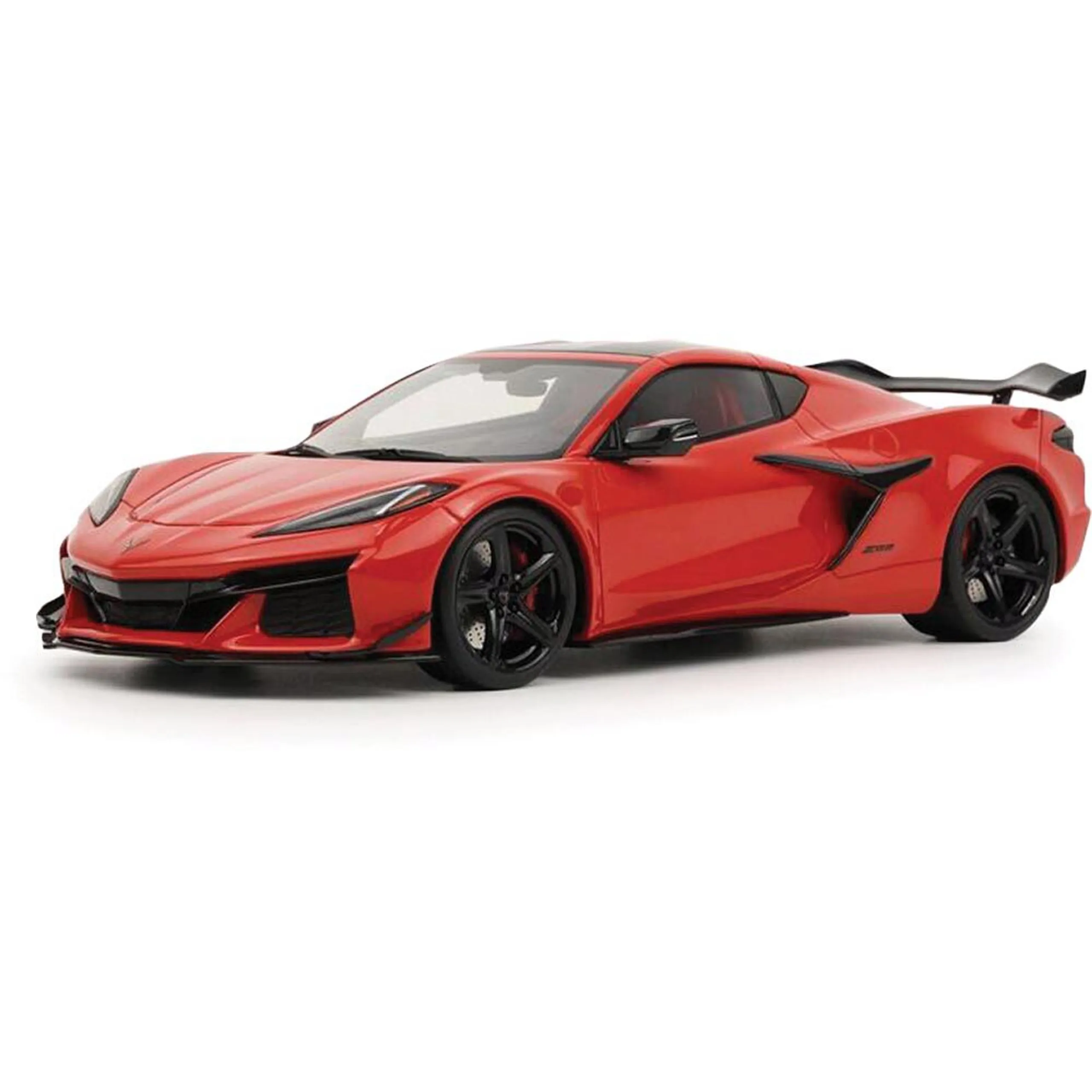
Diecast Cars Top 7 Features Explained
Diecast cars are more than just toys; they are miniature works of art, prized collectibles, and a fascinating glimpse into automotive history. These meticulously crafted models capture the essence of real-life vehicles, offering enthusiasts a tangible connection to the cars they admire. The appeal of diecast cars lies in their intricate details, the quality of materials, and the thrill of collecting. Whether you’re a seasoned collector or just starting out, understanding the key features of diecast cars will enhance your appreciation for these miniature marvels. This guide explores the top 7 features that make diecast cars so special, from the materials used to the level of detail achieved.
What are Diecast Cars
Diecast cars are miniature replicas of automobiles, typically made using a die-casting process. This involves injecting molten metal, usually zinc alloy, into a mold to create detailed and accurate models. The term “diecast” refers to this manufacturing technique. These models come in various scales, from small keychains to larger, highly detailed pieces, and represent a wide array of vehicles, including classic cars, modern sports cars, race cars, trucks, and even buses. Diecast cars are popular among collectors of all ages, serving as both a hobby and a potential investment. The level of detail and craftsmanship varies greatly depending on the manufacturer and the price point, but the best diecast cars strive for realism and accuracy.
The Materials Used in Diecast Cars

The materials used in diecast cars play a crucial role in their quality, durability, and overall appearance. The primary material is typically a zinc alloy, selected for its ability to capture fine details during the casting process and for its strength. Other materials, such as plastic and rubber, are also used to create various components. High-quality diecast cars often feel substantial in hand, a testament to the density of the metal used. The combination of materials allows for a balance of realism, durability, and affordability, making these models accessible to a wide audience.
Zinc Alloy
Zinc alloy, often referred to as Zamak (Zinc, Aluminum, Magnesium, and Copper), is the backbone of most diecast car bodies. This alloy offers excellent moldability, allowing manufacturers to create intricate designs with sharp details. Zinc alloy is also strong and durable, helping the models withstand handling and display. The weight of the zinc alloy gives the diecast cars a satisfying feel, adding to their perceived value. The composition of the alloy can vary slightly between manufacturers, but the primary purpose remains the same—to provide a robust and detailed base for the miniature vehicles.
Plastic Components
Plastic components are commonly used in diecast cars to create parts that require flexibility or intricate shapes. This includes items like the interior dashboard, seats, and sometimes even the chassis. Plastics are also used for clear parts such as windows, headlights, and taillights. The use of plastic allows for a broader range of design possibilities and helps to reduce manufacturing costs. The quality of plastic components can vary, with higher-end models often using higher-grade plastics for improved clarity and durability. The combination of metal and plastic gives diecast cars their distinctive aesthetic and functional properties.
Rubber Tires

Rubber tires are a crucial element of diecast car design, contributing to both realism and functionality. They provide a realistic look and feel, accurately replicating the appearance of real car tires. Beyond aesthetics, rubber tires also allow the models to roll smoothly and provide a degree of friction. The tread patterns on the tires are often meticulously detailed, mirroring those found on full-size vehicles. The type of rubber used can vary, with some manufacturers opting for softer compounds for a more realistic look and feel, while others prioritize durability.
The Scale of Diecast Cars
Diecast cars are available in a variety of scales, each representing a different ratio of the model’s size to the actual vehicle. The scale is an important factor for collectors, as it affects the level of detail, the size of the model, and the overall presentation. Common scales range from 1:18, which offers a large and detailed model, to 1:64, which are smaller and more affordable. Scale affects the visual impact of the collection, the space required for display, and the overall collecting experience. Choosing a scale is often a personal preference and can depend on factors such as budget, display space, and the specific vehicles being collected.
Common Diecast Car Scales
Several scales are commonly used in diecast car manufacturing. 1:18 scale is one of the most popular, offering a good balance of size and detail. These models are large enough to incorporate intricate features, making them highly sought-after by serious collectors. 1:24 scale is another widely used size, providing a slightly smaller model at a lower price point. 1:43 scale is popular for its compact size, making it suitable for display in smaller spaces. Finally, 1:64 scale is common for affordable and accessible models, often found in toy stores. The choice of scale often depends on the manufacturer, the type of vehicle, and the target market.
Why Scale Matters

Scale significantly impacts the detail, price, and display options for diecast cars. Larger scales, such as 1:18, allow for more intricate detailing and often include functioning features like opening doors and steering. These models typically come with a higher price tag. Smaller scales, like 1:64, are generally more affordable and take up less display space, making them ideal for starting a collection or for those with limited room. The scale determines how accurately the model represents the real car’s proportions and the amount of detail that can be included. Understanding the scale is critical for collectors looking to build a cohesive and aesthetically pleasing collection.
The Detailed Design of Diecast Cars
The detailed design is what truly separates diecast cars from other types of models. Manufacturers go to great lengths to replicate the appearance of real vehicles, from the exterior bodywork to the interior details. This involves precise molding, careful paint applications, and the addition of individual components. High-quality diecast cars often feature multiple materials and construction techniques to achieve a high level of realism. The level of detail can vary, but the best models strive to accurately capture the essence of the original vehicle, creating a captivating experience for the collector.
Exterior Details
Exterior details are a major focus of diecast car design. These include the body shape, panel lines, grilles, lights, mirrors, and other exterior elements. The accuracy of these details is crucial for creating a realistic model. Manufacturers often use computer-aided design (CAD) and precise molds to replicate the intricate shapes and features of real cars. Paint finishes are also critical, with many models featuring multiple layers of paint and clear coats to achieve a glossy and durable finish. Decals and markings are added to represent badges, logos, and other details, adding to the overall realism and authenticity.
Interior Details

Interior details add another layer of realism to diecast cars. This includes the dashboard, seats, steering wheel, gear shift, and other interior components. The materials used often mimic those found in real vehicles, such as textured plastic for the dashboard and fabric or molded plastic for the seats. The level of detail can range from simple molded interiors to highly detailed replicas with individual gauges, buttons, and stitching. Some models even include seatbelts and carpeting, adding to the overall immersion and realism. The attention to interior detail elevates the diecast car from a simple toy to a miniature work of art.
Functioning Features
Many high-end diecast cars incorporate functioning features that enhance their realism and play value. These features can include opening doors, hoods, and trunks, allowing access to the interior and engine compartment. Functioning steering is another common feature, enabling the front wheels to turn. Some models also include suspension systems, providing a more realistic driving experience. The addition of these features adds complexity to the manufacturing process but significantly enhances the appeal of the diecast car to collectors and enthusiasts.
Opening Doors and Hoods
Opening doors, hoods, and trunks are among the most popular functioning features in diecast cars. These allow collectors to examine the interior, engine compartment, and other hidden details. The hinges and mechanisms are often carefully designed to replicate the operation of the real vehicle’s components. The ability to open and close these elements adds a tactile element to the collecting experience and allows for a closer look at the intricate details. Some models also feature functional fuel doors and other opening panels, further enhancing their realism.
Working Steering

Working steering is another desirable feature, allowing the front wheels of the diecast car to turn. This functionality adds a degree of realism and allows for posing the model in different positions. The steering mechanism is typically linked to the steering wheel, allowing the wheels to turn in response to the wheel’s position. The working steering enhances the play value and the overall visual appeal of the model. High-quality steering mechanisms are smooth and precise, adding to the overall enjoyment of the diecast car.
Suspension Systems
Suspension systems are often found in higher-end diecast cars, providing a more realistic driving experience. These systems typically involve springs or dampeners that allow the wheels to move up and down, simulating the suspension of a real vehicle. The functioning suspension enhances the model’s ability to absorb impacts and traverse uneven surfaces. The added realism and play value make suspension systems a desirable feature for serious collectors and enthusiasts. The complexity of the suspension system adds to the overall cost and craftsmanship of the diecast car.
The Painting and Finishing Process
The painting and finishing process is a critical step in the production of diecast cars, as it affects the model’s appearance, durability, and value. The paint finish can range from basic solid colors to highly detailed metallic or pearlescent finishes. Multiple layers of paint are often applied, followed by a clear coat to protect the finish and add shine. The application of decals and markings is also a crucial step, adding details such as logos, badges, and racing stripes. The quality of the paint and finishing process significantly impacts the overall impression of the diecast car.
Paint Types

Various paint types are used in diecast car manufacturing, each offering different properties and aesthetics. Solid colors are the most basic option, providing a uniform and consistent finish. Metallic paints contain tiny metal flakes that create a shimmering effect when exposed to light. Pearlescent paints have a similar effect, but they use iridescent pigments that shift colors depending on the viewing angle. The choice of paint type often depends on the vehicle being replicated and the desired look. High-quality paints are durable and resistant to fading, ensuring that the model retains its appearance over time.
Decals and Markings
Decals and markings are essential for adding details such as logos, badges, racing stripes, and other markings to diecast cars. These are typically applied using a waterslide decal process, where the decal is transferred from a backing sheet to the model’s surface. The quality of the decals and markings is crucial for authenticity. High-quality decals are thin, durable, and accurately represent the details of the original vehicle. The application of decals requires precision and care, as they can easily be damaged if handled improperly. The use of high-quality decals adds to the realism and collectibility of the diecast car.
The Collectibility of Diecast Cars
Diecast cars have become highly collectible items, attracting enthusiasts from all walks of life. The appeal of diecast cars extends beyond their aesthetic qualities. They often represent significant vehicles, reflecting the history of automotive design and engineering. The limited availability of certain models, the quality of construction, and the rarity of specific variations contribute to their value. Collecting diecast cars is a passionate hobby, and the potential for appreciating value makes them a desirable investment for many collectors.
Factors that Affect Value
Several factors influence the value of diecast cars. Rarity, the condition of the model, and the manufacturer are significant considerations. Limited edition models and those produced in small quantities often command higher prices. The condition of the model is critical; mint-condition cars with original packaging are generally more valuable. The manufacturer’s reputation for quality and detail also plays a role. Rare models, especially those with historical significance, can fetch a premium in the collector’s market. The specific details and features also influence the valuation of a diecast car.
Limited Editions
Limited edition diecast cars are produced in small numbers, making them highly sought-after by collectors. These models often commemorate specific events, feature unique paint schemes, or incorporate special details. The limited availability of these models increases their value and collectibility. Manufacturers often release limited editions to cater to the demands of serious collectors. The production numbers for limited editions are carefully controlled, making them a sound investment. Owning a limited edition diecast car is a great way to enhance your collection and to stand out among others.
Rarity and Condition
Rarity and condition are critical factors in determining the value of diecast cars. Rare models, especially those that are no longer in production, are highly prized. The condition of the model is equally important. Mint-condition cars, with no scratches, dents, or other imperfections, are the most valuable. Original packaging also adds to the value, as it helps to protect the model and provides provenance. Collectors often go to great lengths to preserve the condition of their cars, as it directly impacts their market value. Careful storage and handling are key to preserving a diecast car’s value over time.
Where to Buy Diecast Cars
Diecast cars are available through a variety of channels, from online marketplaces to specialty shops and collectors’ clubs. The choice of where to buy depends on your budget, the specific models you are looking for, and your level of experience. Each channel offers unique advantages and disadvantages. For new collectors, it is always a good idea to research different vendors to see which one suits you best. The increasing popularity of diecast cars has made them easily accessible to both new and experienced collectors.
Online Marketplaces
Online marketplaces such as eBay and Amazon offer a vast selection of diecast cars, making it easy to find specific models or browse a wide range of options. These platforms often have competitive pricing and allow you to compare prices from different sellers. Online marketplaces provide access to both new and used models, as well as rare and hard-to-find items. The convenience of online shopping and the ability to read reviews from other buyers make these platforms a popular choice. However, it is important to be cautious when buying from online marketplaces. Verify seller ratings and carefully review the condition of the model before making a purchase. Always examine pictures and ask questions to ensure your satisfaction.
Specialty Shops and Collectors’ Clubs
Specialty shops and collectors’ clubs offer a more personalized collecting experience. These venues often provide expert advice and access to rare and exclusive models. Specialty shops typically carry a curated selection of diecast cars, catering to specific interests. Collectors’ clubs offer opportunities to network with other enthusiasts, trade models, and learn more about the hobby. These clubs can provide valuable resources and insights. Attending diecast car shows and events is another great way to connect with other collectors and expand your collection. The personal touch and expertise provided by specialty shops and collectors’ clubs make them a valuable resource for diecast car enthusiasts.
In conclusion, diecast cars are a captivating hobby and a testament to automotive design and craftsmanship. From the materials used to the intricate detailing and the potential for investment, there are many reasons to appreciate the beauty of these miniature replicas. By understanding the key features of diecast cars and the factors that contribute to their value, collectors can enhance their enjoyment of this unique and rewarding hobby.