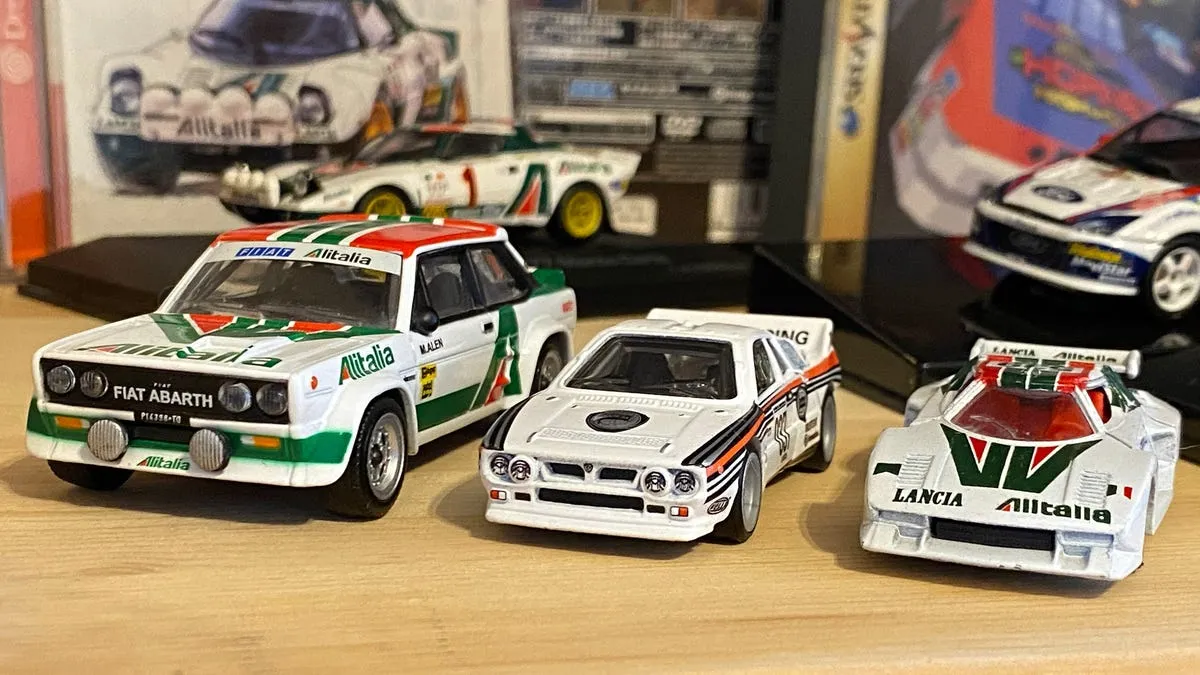
What are Diecast Model Cars
Diecast model cars are miniature replicas of real-life automobiles, meticulously crafted from metal alloys, typically zinc. These detailed models capture the essence of iconic vehicles, offering enthusiasts a tangible way to appreciate automotive history and design. They are not mere toys; they are collectibles, representing a wide range of vehicles, from classic vintage cars to modern supercars and race cars. These models are typically produced in specific scales, such as 1:18, 1:24, and 1:43, allowing for a consistent way to compare sizes and detail levels. The level of detail can vary widely, from basic models to highly detailed versions with opening doors, functional steering, and intricate interior designs. Collecting diecast cars is a popular hobby enjoyed by people of all ages, offering a unique blend of passion, investment potential, and a connection to the automotive world.
Why Collect Diecast Cars
The appeal of collecting diecast cars stems from several factors. For many, it is a nostalgic connection to childhood memories or a passion for specific car models. The joy of owning a miniature version of a dream car or a cherished vehicle from the past is a powerful motivator. Others are drawn to the history and engineering that these models represent, appreciating the intricate details and the craftsmanship involved in their creation. Diecast car collecting offers a fascinating window into automotive design, technological advancements, and cultural significance of different eras. Additionally, many collectors see their collections as a form of investment, with certain rare or limited-edition models appreciating in value over time. Beyond these aspects, the hobby fosters a sense of community, connecting collectors around the world through online forums, clubs, and events.
Benefits of Collecting Diecast Cars

Collecting diecast cars offers a wealth of benefits beyond the enjoyment of the models themselves. It’s a hobby that encourages research and learning about automotive history, design, and engineering. Collectors often delve into the stories behind the cars, the brands, and the individuals who created them, expanding their knowledge base. The hobby also promotes organizational skills, as collectors carefully manage their collections, cataloging and storing their models. Furthermore, it provides a creative outlet for display and customization, allowing collectors to create dioramas, modify their models, or arrange their collections in aesthetically pleasing ways. Collecting diecast cars provides an engaging and rewarding hobby that combines the thrill of acquisition with the satisfaction of knowledge, creativity, and social interaction.
Types of Diecast Cars
Diecast cars come in a wide array of types, reflecting the diversity of the automotive world. These miniature replicas encompass everything from classic vintage cars to modern sports cars, trucks, and even military vehicles. The variety caters to diverse interests, allowing collectors to specialize in specific eras, brands, or vehicle types. Some collectors focus on specific car manufacturers like Ferrari or Porsche, while others might concentrate on racing cars, muscle cars, or classic American automobiles. The availability of different model types ensures there’s something for everyone in the world of diecast car collecting.
Scale Sizes
Diecast cars are produced in various scales, with the most popular being 1:18, 1:24, and 1:43. The scale refers to the ratio between the model’s size and the actual car’s size. For example, a 1:18 scale model is 1/18th the size of the real car. Larger scales, such as 1:18, offer more detail and allow for features like opening doors and hoods. Smaller scales, like 1:43, are more compact and easier to display in larger quantities. The choice of scale often depends on personal preference, available space, and the desired level of detail. Other scales exist, but these three are among the most common.
Common Diecast Car Scales

Understanding the scales is crucial for any aspiring diecast car collector. 1:18 scale models are the largest and often most detailed, providing a premium collecting experience. 1:24 scale models strike a balance between detail and space, offering a broad selection of models. 1:43 scale models are the most compact and ideal for building large collections, especially if display space is limited. Each scale offers different benefits, and many collectors choose to collect in multiple scales to diversify their collection and accommodate different model availability. The scale selected is essential in a collector journey.
Car Brands and Models
The selection of car brands and models available in diecast form is extensive. Collectors can find models representing virtually every major car manufacturer, including iconic brands like Ferrari, Porsche, Lamborghini, Ford, Chevrolet, and many more. Within each brand, a wide variety of models are available, spanning different eras and vehicle types. From classic sports cars to modern supercars, from vintage trucks to Formula 1 race cars, the options are seemingly endless. Some collectors specialize in specific brands or model types, while others collect a diverse array of vehicles to build a comprehensive collection.
Choosing Your First Diecast Cars
Starting a diecast car collection can be an exciting journey, but it’s helpful to approach it with a clear plan. The best way to begin is to choose models that genuinely interest you. This could be based on a love of a specific car brand, a particular type of vehicle, or memories associated with certain cars. Buying what you enjoy will make the hobby more fulfilling. Setting a budget is important to control spending and prevent impulse purchases. Also, research different scales and manufacturers to understand what best fits your preferences and available space. Start small, and gradually build your collection over time.
Setting a Budget

Establishing a budget is a crucial step in starting a diecast car collection. It helps to prevent overspending and allows you to manage your resources effectively. Decide how much you are comfortable spending each month or year. Consider the prices of the models you want to collect, which vary depending on scale, detail, brand, and rarity. It’s also important to factor in the cost of display cases, storage solutions, and any other accessories. Stick to your budget to avoid financial strain and ensure your collecting hobby remains enjoyable and sustainable. Regularly review your budget and adjust it as needed.
Researching and Selecting Models
Before purchasing your first diecast cars, it’s wise to conduct some research. Explore the different brands, scales, and model types available. Read reviews, compare prices, and consider the quality and detail of the models. Determine what aspects of diecast cars appeal to you most. Are you drawn to the history, the realism, or the specific brands? Once you’ve identified your preferences, start selecting models that align with your taste and budget. Prioritize cars that hold special significance, have high quality, and that you are excited to display in your collection. The goal is to build a collection that reflects your passion.
Where to Buy Diecast Cars
Finding the right sources to buy diecast cars is essential to start your collection. There are several avenues to explore, each offering unique advantages and disadvantages. Consider the price, model selection, and the overall experience. This will help you build your collection. From the online retailer to local shops, a well-planned strategy will help you find what you are looking for.
Online Retailers

Online retailers provide a convenient and extensive selection of diecast cars. Websites like Amazon, eBay, and specialized diecast car stores offer a vast array of models from various manufacturers. The advantage of online shopping is the convenience, ease of comparison, and typically competitive pricing. You can browse models anytime, compare prices from different sellers, and read reviews. However, you should consider shipping costs, the potential for damage during transit, and the lack of opportunity to inspect the model in person before purchasing. When buying online, make sure you check the seller’s reputation and return policies.
Local Hobby Shops and Shows
Local hobby shops and diecast car shows offer a more hands-on collecting experience. Hobby shops provide a curated selection of models, allowing you to see and handle the cars before you buy them. You can get advice from shop owners and connect with other collectors. Diecast car shows are great for browsing a variety of models, with chances to find rare items and meet other collectors. Show events create a community of collectors. While prices at hobby shops might sometimes be higher than online, the opportunity to see the models in person and support local businesses can be a significant advantage.
Collecting and Displaying Your Cars
Once you begin to build your collection, think about how you want to display your cars. Collecting is not only about acquiring models; it also involves how you present them. This helps to show off your collection and protect it from the elements. Consider where you’ll display them, whether on shelves, in display cases, or in custom-built dioramas. The right display setup showcases your collection and adds aesthetic appeal to your space.
Storing and Protecting Your Collection

Proper storage and protection are essential to preserving the value and condition of your diecast cars. Store your cars in a cool, dry place, away from direct sunlight, which can fade the paint and damage the materials. Consider using display cases to protect them from dust and physical damage. For valuable or delicate models, store them in their original packaging or individual protective cases. Regularly dust your models and avoid handling them excessively to minimize scratches and wear. By taking the right steps, your collection will remain in excellent condition.
Displaying Diecast Cars
Displaying your diecast cars is a great way to showcase your collection and add personality to your space. You can arrange your models on shelves, in glass-fronted cabinets, or in custom-built dioramas that replicate scenes from real life or automotive history. Arrange them by brand, scale, model type, or year. Use lighting, such as LED strips, to highlight details. Display stands can also be useful. The goal is to create an appealing and organized display that reflects your personal style. Keep the display clean. By doing so, you will allow your collection to shine!
Maintaining and Caring for Your Collection
Taking care of your diecast car collection ensures the models remain in excellent condition. It is crucial to clean your models and make any repairs. By following a few simple steps, your collection will last a long time and remain valuable.
Cleaning Diecast Cars
Regular cleaning is essential to keep your diecast cars looking their best. Dust them frequently using a soft, microfiber cloth to prevent dust from accumulating and scratching the paint. For more stubborn dirt, you can use a slightly damp cloth with mild soap and water. Avoid harsh chemicals or abrasive cleaners that could damage the paint or details. Be gentle when cleaning delicate parts and avoid using excessive force. Proper cleaning keeps your collection looking great.
Repairing Minor Damage
Minor damage to your diecast cars, such as scratches or broken parts, can often be repaired. For scratches, use a fine-tipped paint pen or touch-up paint that matches the original color. For broken parts, you can try using a strong adhesive like super glue, but always be careful and precise. If the damage is more extensive, consider seeking professional repair services. Taking care of minor issues will keep your models looking their best and preserve their value. Handle with care to avoid the damage.