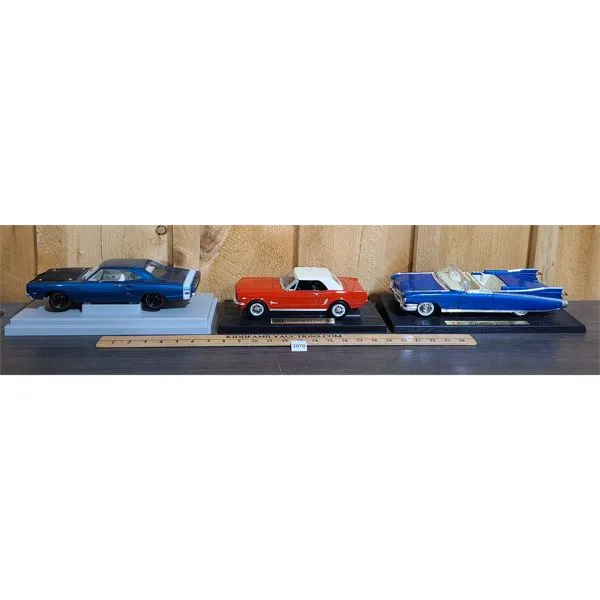
Diecast Cars Top 7 Facts
Diecast cars, miniature replicas of real-life vehicles, have captured the hearts of collectors and enthusiasts for generations. These meticulously crafted models offer a tangible connection to the automotive world, allowing people to own and appreciate iconic cars in a smaller, more accessible form. Beyond their aesthetic appeal, diecast cars provide a fascinating glimpse into the history of automotive design, manufacturing techniques, and the enduring human passion for collecting. This article dives into seven key facts about diecast cars, exploring their materials, popularity, manufacturing, and cultural significance.
What are Diecast Cars?
Diecast cars are miniature models of vehicles, typically made from metal. The term “diecast” refers to the manufacturing process used to create these models. Molten metal, usually a zinc alloy, is injected under high pressure into a mold, or die, which gives the car its shape. After the metal cools and solidifies, the model is removed, cleaned, painted, and assembled with other components like plastic windows and rubber tires. These models replicate various vehicles, including cars, trucks, and aircraft, with varying scales. They range from simple toys to highly detailed, accurately scaled representations sought after by collectors and enthusiasts.
The Origins of Diecast Cars

The history of diecast cars traces back to the early 20th century, with the earliest examples appearing in the late 1800s. Initially, these models were primarily simple toys. However, the post-World War II era saw a surge in their popularity, with manufacturers like Dinky Toys and Corgi Toys pioneering the production of more detailed and realistic models. These early diecast cars were often used as promotional items or toys for children. Their appeal lay in their durability and ability to withstand rough play. The evolution of diecast car manufacturing has been a testament to innovation, improving quality and detail over time.
Early Manufacturing Techniques
Early manufacturing techniques for diecast cars were relatively basic. Molds were often made from steel, and the injection process was less sophisticated than modern methods. Details were added manually, and painting was a labor-intensive process. Early diecast cars had simpler designs, fewer moving parts, and less intricate detailing than modern models. Nevertheless, these early examples laid the foundation for the industry, demonstrating the viability and appeal of miniature vehicle replicas. Collectors today still appreciate the charm of these vintage pieces, which represent the origins of the hobby.
Diecast Cars Materials
The primary material used in the production of diecast cars is a metal alloy, which contributes significantly to their weight, durability, and the ability to capture fine details. Other materials like plastic and rubber are incorporated to create realistic features such as windows, tires, and interior components. These combined materials contribute to the overall aesthetic and functionality of diecast models, making them attractive to collectors and hobbyists. The quality of the materials and the precision with which they are used are key factors in the value and desirability of a diecast car.
The Primary Metal Alloy

The primary metal alloy used in diecast cars is typically a zinc alloy, often combined with other metals like aluminum, copper, and magnesium. This alloy provides the ideal balance of strength, durability, and castability. Zinc alloys melt at lower temperatures, which makes them suitable for the die-casting process. This alloy also allows for the creation of intricate details and fine features that are essential to replicating the realism of actual vehicles. The specific composition of the alloy can vary by manufacturer and production run, which can affect the model’s weight, appearance, and longevity.
Zinc Alloy Composition
The composition of the zinc alloy used in diecast cars can vary, but typically, it consists of zinc as the primary element. The addition of other elements, such as aluminum, copper, and magnesium, improves the alloy’s strength, corrosion resistance, and castability. The precise proportions of these elements are carefully controlled to achieve the desired mechanical properties and aesthetic appearance. This alloy allows for the model’s detailed features and durability, making it a staple in the diecast industry. Variations in alloy composition can affect the overall quality, weight, and finish of the models.
Other Metals Used
Besides the primary zinc alloy, other metals can be used in diecast car manufacturing, but they’re less common. These alternative metals may be used for specific components or for more premium models. Steel and aluminum, for example, might be used in the chassis or certain trim pieces. The choice of these materials often depends on the desired properties of the car, such as increased strength or a different finish. The inclusion of different metals also increases the realism and value. Collectors often appreciate models that incorporate a variety of metals and materials.
Steel

Steel can be used in diecast cars, primarily for the chassis or other structural components that require greater strength and durability. While steel is more challenging to diecast than zinc alloys, it can be incorporated into models to enhance their robustness and longevity. Steel components may also contribute to a more realistic weight and feel. However, steel is less common than zinc alloys because of its higher melting point and potential for corrosion. Its use is usually reserved for specific applications.
Aluminum
Aluminum may also be used in the construction of diecast cars, particularly for high-end or specialized models. Aluminum offers a good combination of strength and lightweight properties, making it ideal for certain applications. However, it’s more expensive and complex to diecast than zinc. Aluminum’s presence in a diecast car can also improve its appearance and overall quality. It can be used for the body or chassis parts to achieve finer details. The use of aluminum often signifies a premium product aimed at serious collectors and enthusiasts.
Why Diecast Cars are Popular
Diecast cars have maintained a devoted following, thanks to their appeal to a wide array of interests. They provide a tangible link to automotive history, offer the joy of collecting and displaying detailed models, and serve as excellent gifts for all ages. The variety of models available, from classic cars to modern supercars, adds to their allure, making them appealing to both casual admirers and dedicated collectors. The popularity of diecast cars is further bolstered by their affordability, accessibility, and the strong community of enthusiasts who share their passion online and at events.
Collectibility and Value

Diecast cars are highly collectible, and their value varies widely depending on several factors. Certain models, particularly those that are rare or limited edition, can fetch significant prices in the collectors’ market. The condition of the car also plays a crucial role in its value, with models in pristine condition commanding higher prices. Collectors often seek out models that are no longer in production, as well as those with unique features or historical significance. The collectibility of diecast cars adds to their appeal and fuels the passion of enthusiasts around the world.
Factors Influencing Value
Several factors affect the value of diecast cars. Rarity is a significant determinant, with limited-edition models being highly sought after. The condition of the model, including its paint job, detailing, and the presence of original packaging, also greatly influences value. Historical significance, such as models representing classic cars or significant automotive events, can increase value. The manufacturer and the model’s scale are also essential, with brands known for their quality and accuracy often commanding higher prices. Demand within the collecting community is another key factor driving the value of any specific model.
Rarity and Limited Editions
Rarity and limited editions are major drivers of value in the diecast car market. Manufacturers often release limited numbers of certain models to create exclusivity and appeal to collectors. These models, often featuring unique paint schemes, detailing, or specific features, quickly become highly sought after. Limited editions often appreciate in value over time. Many collectors actively seek out rare models, adding to their collection and potentially generating significant returns on their investments. These special releases are a key element in maintaining and growing interest in diecast car collecting.
The Appeal to Collectors

The appeal of diecast cars to collectors is multifaceted. These models provide a tangible connection to the automotive world. They offer the satisfaction of owning miniature replicas of beloved cars. Collectors appreciate the detailed craftsmanship, historical accuracy, and the opportunity to showcase their passion for automobiles. The collecting community also fosters a sense of belonging, as enthusiasts share their knowledge, trade models, and participate in events. The thrill of finding a rare or valuable model drives collectors to hunt for treasures.
Detailed Design and Scale
The level of detail and the accurate scale of diecast cars are essential elements of their appeal. Manufacturers strive to replicate every aspect of a real-life vehicle, from the body shape and paint color to the interior details, wheels, and engine components. The scale, which is typically expressed as a ratio (e.g., 1:18 or 1:64), determines the size of the model relative to the actual car. Detailed design and accurate scaling result in highly realistic representations of automobiles that are highly prized by collectors. These meticulous details are a testament to the craftsmanship involved in producing these miniature marvels.
The Manufacturing Process
The diecast car manufacturing process is a sophisticated procedure involving several steps. It begins with creating detailed molds for each part of the car. Molten metal is then injected into these molds under high pressure, creating the individual components. Once the metal cools and solidifies, the parts are removed, cleaned, and painted. The assembly process involves fitting all the parts together, including the wheels, windows, and interior details. The final step involves quality control, which ensures that each model meets the highest standards of realism and quality. This complex process results in the production of beautiful and detailed replicas.
Mold Creation

Mold creation is a critical step in diecast car manufacturing, requiring precision engineering and advanced techniques. Molds are made from steel and are meticulously crafted to replicate every detail of the car. Engineers and designers use CAD software to create detailed 3D models of the car, which are then used to design the molds. The molds are split into multiple parts to allow for the injection of the molten metal and the easy removal of the finished components. The quality of the mold directly impacts the final product’s level of detail and accuracy. Precise mold-making is crucial to ensuring that the diecast car faithfully replicates the real-life vehicle.
Assembly and Detailing
After the metal parts of a diecast car are cast and painted, the process moves to assembly and detailing. Skilled workers carefully assemble all the components, attaching the wheels, windows, interior parts, and other accessories. The detailing stage includes adding decals, emblems, and other fine details that enhance the realism of the model. This stage often involves hand-painting or using specialized tools to achieve the highest level of precision. Assembly and detailing are crucial steps in bringing the model to life, transforming the individual parts into a complete and realistic replica of the original vehicle.
Scale and Accuracy
Scale and accuracy are fundamental to the appeal of diecast cars. Manufacturers produce models in different scales, such as 1:18, 1:24, and 1:64, which represent the size of the model relative to the actual car. Accurate scaling is critical to ensure that the model faithfully replicates the proportions and dimensions of the real vehicle. This accuracy extends to the detailing, with manufacturers striving to replicate every feature, from the shape of the body panels to the design of the wheels. The level of accuracy contributes significantly to the collectibility and value of a diecast car.
Maintenance and Care
Proper maintenance and care are essential to preserve the condition and value of diecast cars. Regular cleaning, safe storage, and careful handling can prevent damage and ensure that the models remain in excellent condition. Collectors often take pride in maintaining their collections. It maintains their aesthetic appeal and protects their investment. By taking these precautions, enthusiasts can ensure that their diecast cars continue to provide enjoyment for many years to come.
Cleaning and Storage
Cleaning diecast cars should be done with care, using a soft cloth to gently wipe away dust and fingerprints. Avoid using harsh chemicals or abrasive materials, as these can damage the paint or detailing. Storage is also essential. Store your models in a cool, dry place, away from direct sunlight and extreme temperatures. Consider using display cases or protective packaging to prevent dust and physical damage. Proper cleaning and storage ensure that your diecast cars retain their value and remain visually appealing.
Protecting Your Collection
Protecting your diecast car collection involves taking several preventive measures. Avoid exposing the models to extreme temperatures or humidity, which can cause damage. Handle the models with care, supporting them properly when moving them. Consider using display cases or protective packaging to shield them from dust and physical damage. Maintain a clean environment and avoid touching the models excessively to prevent fingerprints. Regular inspection for any signs of wear or damage allows you to take action promptly and preserve your collection.
Diecast Cars in Pop Culture
Diecast cars have made significant contributions to pop culture. They have been featured in movies, television shows, and other media, often as integral components of storylines or visual elements. These appearances have helped to popularize diecast cars, increasing their visibility and appeal to new audiences. Diecast cars often serve as collector’s items, movie props, and promotional items for brands. They hold a unique place in the entertainment world, serving as nostalgic symbols or providing a tangible representation of iconic vehicles.
Diecast Cars in Movies and TV
Diecast cars have frequently appeared in movies and television shows, playing various roles. They have been used as props, collectibles, and even as elements of the storyline. Some diecast cars have become iconic symbols because of their appearance in popular media. They add authenticity and detail to movies and TV shows, helping to create a realistic world for the characters. The use of diecast cars in pop culture highlights their versatility and broad appeal, making them recognizable to audiences of all ages and backgrounds. They are an integral aspect of the cultural landscape.
The Future of Diecast Cars
The future of diecast cars appears promising, with continued innovation in manufacturing techniques and design. Manufacturers are exploring new materials, technologies, and detailing methods to create even more realistic and detailed models. The growing interest in electric vehicles and other advanced automotive technologies will likely lead to new models. The enduring passion for collecting and the strong community of enthusiasts will continue to drive the hobby. The diecast car industry adapts to new trends while keeping its focus on detailed and authentic replicas.