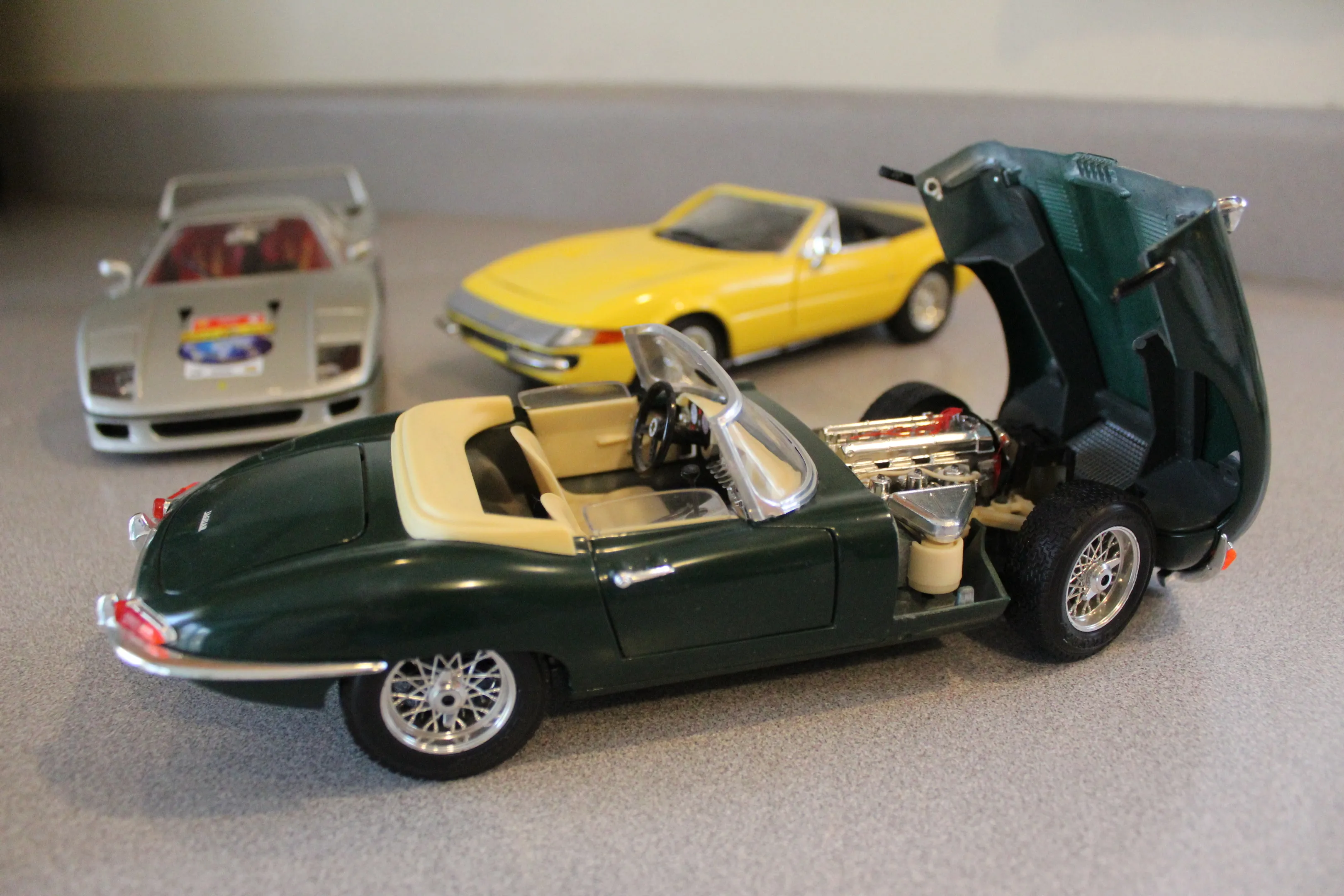
What are Diecast Cars
Diecast cars are miniature vehicles made using a die-casting process, which involves injecting molten metal, typically zinc alloy, into molds to create detailed replicas of real-life automobiles. These models have captivated collectors and enthusiasts for generations, offering a tangible link to automotive history and design. Diecast cars are prized for their accuracy, durability, and the level of detail they exhibit, making them popular items for both display and play. They represent a diverse range of vehicles, from classic cars and racing machines to modern sports cars and trucks. The appeal lies in their ability to capture the essence of the full-sized vehicles they represent, combined with the joy of collecting and sharing a passion for automobiles. Owning and collecting diecast cars offers an enjoyable way to appreciate automotive engineering and design, and a way to connect with a community of enthusiasts.
The History of Diecast Cars
The history of diecast cars dates back to the early 20th century, with the first models appearing in the pre-World War II era. Originally, these toys were created for children, but soon their detail and accuracy attracted the interest of adult collectors. The materials and manufacturing processes evolved over time, leading to more sophisticated and detailed models. After the war, diecast cars became increasingly popular, with manufacturers like Dinky Toys and Corgi Toys leading the way. These companies produced a wide variety of models, from cars and trucks to airplanes and ships, further fueling the collecting hobby. As the industry grew, so did the detail and realism of the cars. Today, diecast cars are a global phenomenon, with manufacturers around the world producing high-quality models that cater to a wide range of interests and collecting preferences. The ongoing development of manufacturing techniques ensures that the diecast car market will keep appealing to new generations.
Materials Used in Diecast Car Production

The primary material used in the production of diecast cars is a zinc alloy, often referred to as Zamak or white metal. This alloy is ideal for die casting due to its low melting point, high fluidity, and ability to reproduce fine details. Other materials are also used, including plastic for interior components, tires, and sometimes the body. Glass or clear plastic is used for windows, and paint is applied to give the car its final finish. The die-casting process involves injecting the molten zinc alloy into a mold, which is then cooled to solidify the metal. The mold is designed to create the intricate shapes and details of the car, from the body and chassis to smaller components like door handles and grilles. Once the metal has solidified, the car is removed from the mold, and the excess material is trimmed away. The individual parts are then assembled, and the car is painted and decorated to match the real-life vehicle. This combination of materials and processes results in detailed and durable miniature cars.
Zinc Alloy Diecast Cars
Zinc alloy, a key component in diecast car production, offers several advantages. The alloy’s low melting point simplifies the casting process, ensuring that the intricate details of the car are reproduced with precision. The alloy is also durable, which gives the cars their longevity, allowing them to withstand the rigors of handling and display. The use of zinc alloy contributes significantly to the realistic weight of diecast cars, making them feel more substantial than their plastic counterparts. Zinc alloy is cost-effective. The ability to cast the alloy into complex shapes makes it possible to create detailed models of different vehicles. This material’s versatility has solidified its role as the standard in diecast car manufacturing, providing collectors with high-quality models.
Types of Diecast Cars
Diecast cars come in a wide variety of types, catering to various interests and collecting preferences. Some of the most popular types include classic cars, which are replicas of vehicles from earlier eras, such as vintage roadsters and muscle cars. Racing cars, including Formula 1 cars, Le Mans racers, and other competition vehicles, appeal to motorsports enthusiasts. Modern sports cars, such as supercars and luxury models, are also highly sought after. Trucks and commercial vehicles, ranging from delivery vans to heavy-duty trucks, are a popular niche. Military vehicles, including tanks, jeeps, and other military vehicles, are popular among history buffs and collectors. Limited-edition models and special releases, which are produced in smaller quantities, add to the diversity of the market. The wide variety of diecast car types allows collectors to focus on specific areas of interest, whether it’s vintage cars, race cars, or specific brands.
Scale of Diecast Cars

The scale of a diecast car refers to the ratio of the model’s size to the actual vehicle’s size. The most common scales are 1:18, 1:24, 1:43, and 1:64. 1:18 scale models are typically large and detailed, making them ideal for display. 1:24 scale models offer a good balance of detail and size. 1:43 scale models are smaller, making them easier to collect and display. 1:64 scale models, also known as ‘Matchbox’ or ‘Hot Wheels’ size, are very popular due to their affordability and collectability. The scale of a diecast car influences its level of detail and price. Larger scale models generally have more detail, while smaller scale models are often more affordable. Selecting a scale depends on personal preferences, available display space, and collecting goals. Collectors often specialize in a particular scale to maintain consistency and manage their collections effectively.
Diecast Car Brands to Know
Several brands dominate the diecast car market, each with its own reputation for quality, detail, and collectibility. Hot Wheels and Matchbox are two of the most recognizable brands, known for their affordable and widely available models. Maisto and Bburago offer a range of models, focusing on sports cars and classic vehicles. Autoart is famous for its high-quality models and detailed features, catering to serious collectors. Minichamps produces detailed models of race cars and classic vehicles. TSM (True Scale Miniatures) is known for its premium models with exceptional detail. Greenlight Collectibles specializes in American cars, including classic cars and movie cars. Choosing brands to collect depends on personal preferences. Researching the reputation, quality, and specific product ranges of different brands helps collectors to build their collections.
Popular Diecast Car Brands
Hot Wheels and Matchbox are classic brands, and their products can be found worldwide. Both brands provide affordability and a wide variety of models, making them ideal for starting a collection. Autoart provides high-quality models, often preferred by more serious collectors due to the level of detail. Minichamps is known for its race cars and vintage vehicles. TSM (True Scale Miniatures) offers premium models with exceptional detail and accuracy, often featuring features like opening doors and detailed engines. Greenlight Collectibles focuses on American cars, including vehicles from movies and television shows, making them appealing to fans. These brands set the standard for the diecast car industry, each with its own strengths.
How to Start a Diecast Car Collection

Starting a diecast car collection is a rewarding hobby. Begin by choosing a theme or focus for your collection, such as classic cars, race cars, or a specific brand or scale. Set a budget, to make sure you can afford your hobby. Research the different brands and models available, paying attention to quality, detail, and collectibility. The internet and collector communities are great resources. Start small and gradually add to your collection, focusing on models that you find appealing. Buy from reputable sources, such as hobby shops, online marketplaces, or authorized dealers, to ensure the authenticity of your purchases. Keep track of your collection, documenting each model with its details and value. Participate in online forums or local collector clubs. This helps you connect with other enthusiasts.
Factors to Consider When Collecting
When starting to collect diecast cars, several factors should be considered. Establish a budget to avoid overspending. Select a theme or focus for your collection, whether it’s a specific brand, era, or type of vehicle. Research the value and collectibility of different models, paying attention to rarity, condition, and demand. Buy from trusted sources to ensure authenticity. Consider the scale and size of the models, taking into account display space. Learn about different brands and their reputation for quality and detail. Take time to learn about the different scales, such as 1:18, 1:24, 1:43, or 1:64. Joining online collector forums or local clubs allows you to connect with other enthusiasts and share your hobby.
Displaying and Protecting Your Collection
Proper display and protection are essential for preserving the value and condition of your diecast car collection. Display your models in a dust-free environment, away from direct sunlight. Use display cases or shelves to showcase your collection. Protect the models from dust, moisture, and extreme temperatures. Store your diecast cars in a cool, dry place, away from direct sunlight and excessive heat or cold. Avoid stacking models on top of each other, as this can cause damage. Regularly clean your models with a soft cloth or brush to remove dust and debris. Handle your models with care, avoiding excessive touching or manipulation. Consider using acid-free tissue paper to wrap individual models and keep them safe. Good care will make your collection last.
Where to Buy Diecast Cars

There are many places to buy diecast cars, each offering its own advantages. Online marketplaces such as eBay, Amazon, and specialized diecast car websites provide a wide selection of models. Local hobby shops and toy stores often have a curated selection of diecast cars. Collector shows and events are great places to find rare and vintage models, and you can meet other collectors. Direct from manufacturers, some brands sell their models directly through their websites. When purchasing, compare prices and check the seller’s reputation. Carefully inspect the model for any damage or defects. Read the product description carefully, and ask for additional details if needed. Consider shipping costs and return policies. The ideal place to buy depends on your specific needs and preferences.
Online Marketplaces
Online marketplaces, such as eBay and Amazon, provide an easy way to find diecast cars. These platforms offer a vast selection of models from different brands, scales, and eras. They also provide the ability to compare prices and read reviews from other collectors. However, there are risks. Verify the seller’s reputation and read the product description carefully. Check the model’s condition before making a purchase, and ask for additional photos if needed. Be aware of shipping costs and return policies. Websites specializing in diecast cars, such as Diecast Models Wholesale and Model Cars, also offer a wide selection of models. These sites often have more specialized models, catering to serious collectors.
Local Hobby Shops and Shows
Local hobby shops and collector shows are valuable resources for finding and buying diecast cars. These shops often carry a curated selection of models, allowing you to see and handle the models before you buy. This is a great way to get advice from knowledgeable staff. Collector shows and events bring together many dealers and collectors. This allows you to find rare and vintage models. Shopping at local hobby shops and shows lets you support local businesses and connect with other collectors. This can be a great way to build relationships and learn more about the hobby. These events often have a social aspect, with collectors sharing their passion for diecast cars.
Tips for Finding Great Deals

Finding great deals on diecast cars requires some strategic shopping and research. Compare prices from different retailers, including online marketplaces, hobby shops, and collector shows. Be flexible with your desired models and consider buying models that are on sale or clearance. Look for used models, which are often available at lower prices. However, be sure to inspect them carefully. Attend collector shows and events, as dealers often offer competitive prices to attract buyers. Research the market value of the models you are interested in, so you can spot a good deal. Join online collector groups or forums, as members often share information about sales and promotions. Patience is key in finding great deals. Building a collection takes time and effort.
Caring for Your Diecast Cars
Caring for your diecast cars is essential for preserving their value and appearance. Regularly clean your models with a soft cloth or brush to remove dust and debris. Avoid using harsh chemicals or abrasive cleaners, which can damage the paint and details. If you need to remove stubborn dirt, use a mild soap solution and a soft cloth. Do not expose your models to direct sunlight or extreme temperatures, as this can fade the paint and cause damage. Protect your models from moisture, as this can cause rust. Store your models in a cool, dry place, away from direct sunlight. Handle your models with clean hands, and avoid touching the painted surfaces. Take extra care when handling models with delicate parts. Taking good care of your models ensures that they last for years.
Cleaning and Maintenance
Cleaning and maintaining your diecast cars regularly is crucial. Start by dusting the models with a soft brush or cloth. For more thorough cleaning, use a slightly damp cloth with a mild soap solution. Avoid using harsh chemicals or abrasive cleaners that could damage the paint or details. Pay special attention to removing dust and debris from crevices and hard-to-reach areas. Gently dry the models with a clean, soft cloth after cleaning. Inspect the models regularly for signs of wear and tear. If any parts are loose or damaged, take steps to repair or replace them. Regular cleaning and maintenance help to preserve the appearance and value of your diecast car collection.
Storage Tips

Proper storage is important for keeping your diecast cars in excellent condition. Store the models in a cool, dry place, away from direct sunlight and extreme temperatures. Direct sunlight can fade the paint. Extreme temperatures and humidity can cause damage. Consider using display cases or shelves to showcase your collection while also protecting it from dust and damage. If you do not have display cases, store your models in a closed container to protect them. Avoid stacking the models on top of each other, as this can scratch the paint. Use acid-free tissue paper to wrap the models, protecting them from scratches. Regularly check your storage area. With proper storage, your diecast cars should be fine.
Diecast Cars Investment Potential
Diecast cars can have investment potential, although it is not a guarantee. Some models, especially limited editions, rare releases, and those in mint condition, can increase in value over time. Factors such as the brand, scale, and condition of the model influence its value. The popularity of the vehicle and its historical significance also play a role. Researching the market and understanding the factors that drive value helps in making informed investment decisions. The diecast car market, like any collectible market, is subject to fluctuations. The potential for profit depends on careful selection, proper care, and the ability to anticipate market trends. Collecting is a hobby. Approach diecast cars as a passion, with the potential for long-term value appreciation.
Factors Affecting Value
Several factors influence the value of diecast cars. Rarity is a key factor, with limited-edition models and those produced in small quantities often commanding higher prices. The condition of the model, including its paint, details, and packaging, is critical. Mint condition models are generally more valuable. The brand of the diecast car plays a role, with established brands and those known for high quality, like Autoart, holding more value. The popularity of the vehicle itself, such as classic cars or iconic race cars, increases its desirability and value. Historical significance, such as models representing important events or anniversaries, also plays a role. Market trends, collector demand, and economic conditions also influence value. Researching the market and staying informed about these factors helps collectors in their investment decisions.
Future Trends in Diecast Cars

The diecast car market continues to evolve, driven by new technologies and collector interests. One trend is an increasing focus on detail and realism. Manufacturers are incorporating advanced manufacturing techniques, such as 3D printing, to create more accurate and detailed models. The use of high-quality materials and finishes is another trend. Expect to see models with more intricate features. Another trend is the rise of digital integration, with some models offering interactive features and integration with online platforms. Collector demand is also changing, with increased interest in electric vehicles, sustainable materials, and models from popular movies and video games. The diecast car market is poised for continued growth and innovation, with new models appealing to both established collectors and new enthusiasts.