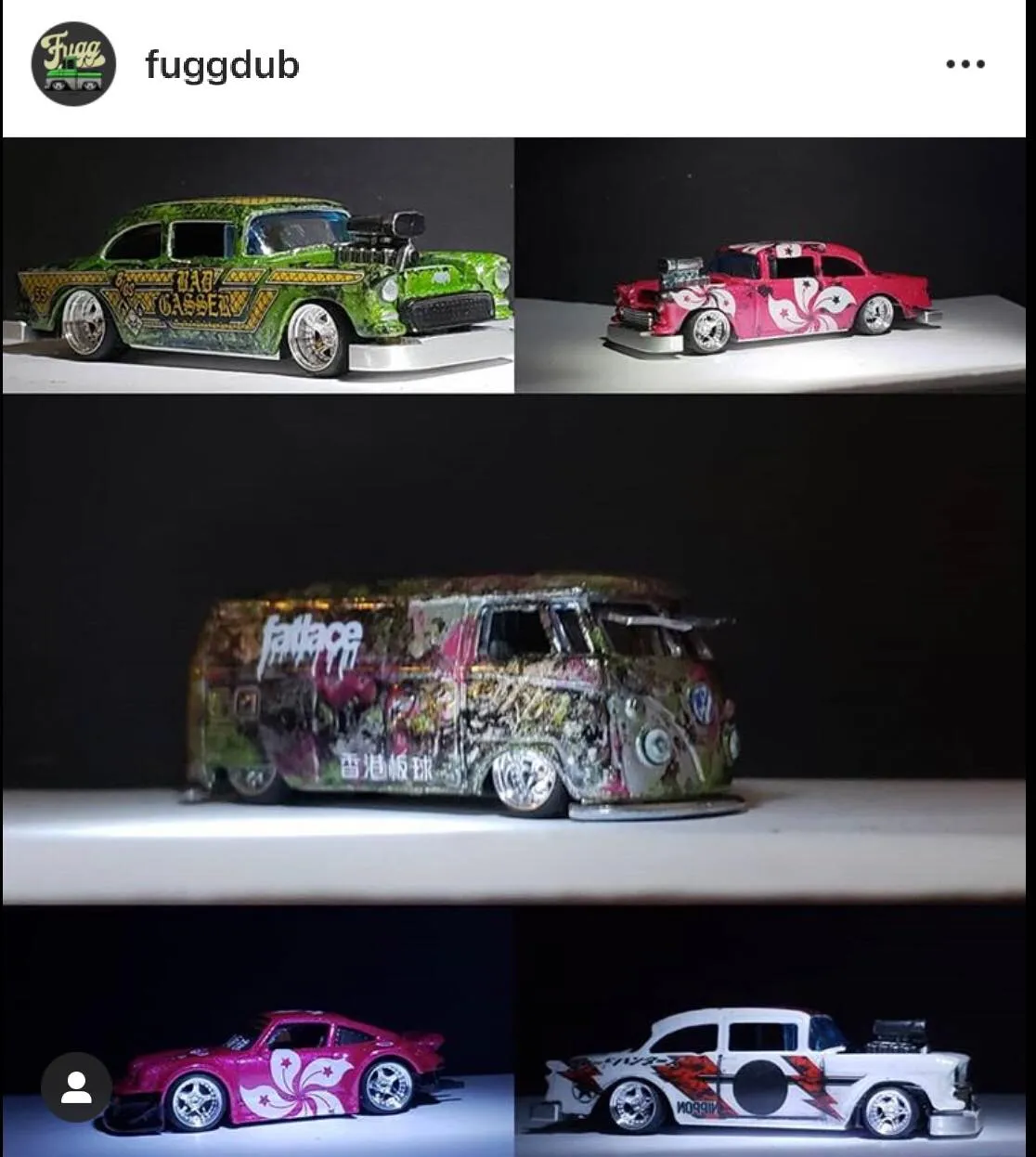
The Essence of Custom Diecast Cars
Custom diecast cars are more than just toys they are miniature works of art, reflections of passion, and expressions of creativity. For enthusiasts and hobbyists, the process of transforming a generic diecast model into a unique, personalized masterpiece is a rewarding experience. It involves a blend of technical skill, artistic vision, and a keen eye for detail. The beauty of custom diecast car making lies in its versatility. You can replicate your dream car, create a vintage replica, or design an entirely fictional vehicle. The possibilities are endless, limited only by your imagination and dedication. This guide will uncover the top design secrets to help you on your journey.
Choosing Your Diecast Car Base
The foundation of any custom diecast car is the base model. Selecting the right base is crucial. Consider the scale, as it will dictate the level of detail and the availability of aftermarket parts. Common scales include 1:64, 1:43, and 1:18, each offering different levels of complexity. The condition of the base model is also important. Look for models with minimal damage or wear, as this will simplify the restoration and customization process. Consider the model’s design and features as well. Some models are easier to disassemble and modify than others. Classic cars, modern sports cars, and even trucks can serve as excellent bases for your custom creations. Choosing a base model that inspires you is key to a successful and enjoyable project. Don’t be afraid to experiment with different brands and models until you find the perfect canvas for your vision.
The Importance of Car Scale and Size

Scale and size are fundamental to diecast car customization. They influence everything from the availability of parts to the level of detail you can achieve. The most popular scales are 1:64 (Hot Wheels size), 1:43, and 1:18. Each scale offers a different level of complexity and challenge. 1:64 scale models are great for beginners due to their affordability and ease of handling, but they offer limited space for intricate detailing. 1:43 scale provides a good balance between detail and manageability, allowing for more sophisticated modifications. 1:18 scale offers the highest level of detail, making it ideal for advanced customization projects, though it also requires more space and resources. Understanding scale also helps when sourcing aftermarket parts, such as wheels, tires, and decals, as these must be compatible with your chosen model. Considering how the size impacts display and storage is also essential. A well-chosen scale sets the stage for a successful and visually appealing custom diecast car.
Selecting the Right Paint and Finishes
The paint job is arguably the most visually impactful aspect of your custom diecast car. Choosing the right paint and finish is paramount to achieving a professional-looking result. Acrylic lacquers and enamels are popular choices, offering a wide range of colors and finishes. Acrylic lacquers dry quickly and provide a smooth, durable surface, while enamels offer excellent durability but require longer drying times. The type of finish—gloss, matte, or satin—can dramatically alter the appearance of your model. Gloss finishes are ideal for a sleek, showroom look, while matte finishes provide a more realistic, understated appearance. Proper preparation is essential. This includes stripping the original paint, priming the surface, and sanding it smooth. Applying multiple thin coats of paint is better than one thick coat, as this prevents runs and ensures an even finish. Consider using an airbrush for a professional-grade paint job, or opt for spray cans for a more accessible approach. Clear coats add depth, protect the paint, and enhance the overall appearance of your custom creation.
Essential Tools and Materials
Embarking on a custom diecast car project requires a specific set of tools and materials. These tools are essential for disassembly, modification, and finishing. A hobby knife or X-Acto knife is indispensable for trimming, cutting, and detailing. Small screwdrivers, pliers, and tweezers are necessary for removing and handling small parts. Sandpaper in various grits is crucial for smoothing surfaces and preparing them for paint. An airbrush or spray cans are needed for applying paint evenly. A cutting mat protects your work surface and provides a stable platform for detailed work. Additionally, you’ll need paint, primer, clear coats, and thinners or solvents to clean your tools. Other useful materials include putty or filler for repairing imperfections, masking tape for precise paint lines, and various glues and adhesives. Investing in quality tools and materials will not only improve the final result but also make the entire process more enjoyable.
Interior Detailing for Realism

Interior detailing can significantly enhance the realism of your custom diecast car. This involves adding features such as seats, dashboards, steering wheels, and other interior components. Start by researching the interior of the car you are replicating, paying close attention to the materials, colors, and details. The original interior can be improved with paint, flocking (for a carpeted effect), and various detailing parts. You can use custom decals to recreate gauges, buttons, and other small details. Consider adding seatbelts, shift knobs, and other accessories to add more realism. A good interior is the mark of a well-executed custom diecast model. Even if you are not a pro, focusing on the interior can elevate the overall appearance of your creation. Take your time, be patient, and use reference photos to guide your work. The more detail you include, the more realistic your model will appear.
Exterior Modifications & Customization
Exterior modifications and customization allow you to add unique touches. This includes adding spoilers, body kits, custom grilles, and other aerodynamic enhancements. Modifying the body of a diecast car requires careful planning and execution. Use a hobby knife or file to remove or alter existing features, and use putty or filler to smooth any imperfections. Consider adding custom decals, stripes, or graphics to create a personalized look. Pay attention to details such as door handles, mirrors, and lights to enhance the realism of your model. Remember to maintain a consistent aesthetic throughout the build. Think about the overall theme or style you are trying to achieve. Whether you are aiming for a sleek, modern look or a classic vintage style, the exterior modifications should align with your vision. This is where your creativity can truly shine, so experiment with different techniques and materials to create something truly unique.
Wheels Tires and Suspension Upgrades
Upgrading the wheels, tires, and suspension is a great way to enhance the look and performance of your custom diecast car. Choosing the right wheels and tires can dramatically change the car’s appearance and stance. Aftermarket wheels come in a variety of styles, materials, and sizes, allowing you to create a custom look. Lowering the suspension is a common modification that gives the car a more aggressive stance. This can be achieved by modifying the existing suspension components or by installing aftermarket parts. When selecting wheels and tires, consider the scale of your model. Make sure the new wheels and tires fit the car’s body and suspension. Using custom-made tires adds another layer of detail to your model. The right choice of wheels, tires, and suspension can transform the look of your custom diecast car, adding a touch of realism and personal style.
Adding Decals and Finishing Touches

The final step in creating a custom diecast car is adding decals and finishing touches. Decals can be used to add logos, racing stripes, sponsor stickers, and other details that enhance the realism and visual appeal of your model. Applying decals requires patience and precision. Make sure the surface is clean and smooth, and use decal setting solutions to ensure that the decals adhere properly. Finishing touches include adding clear coats to protect the paint and decals, polishing the model to a high shine, and assembling all the parts. Paying attention to these small details can make a big difference in the final product. Take your time, and don’t rush the process. The goal is to create a custom diecast car that you are proud of and that reflects your personal style and attention to detail. The finishing touches are what truly bring your custom creation to life.