Understanding Custom Diecast Cars
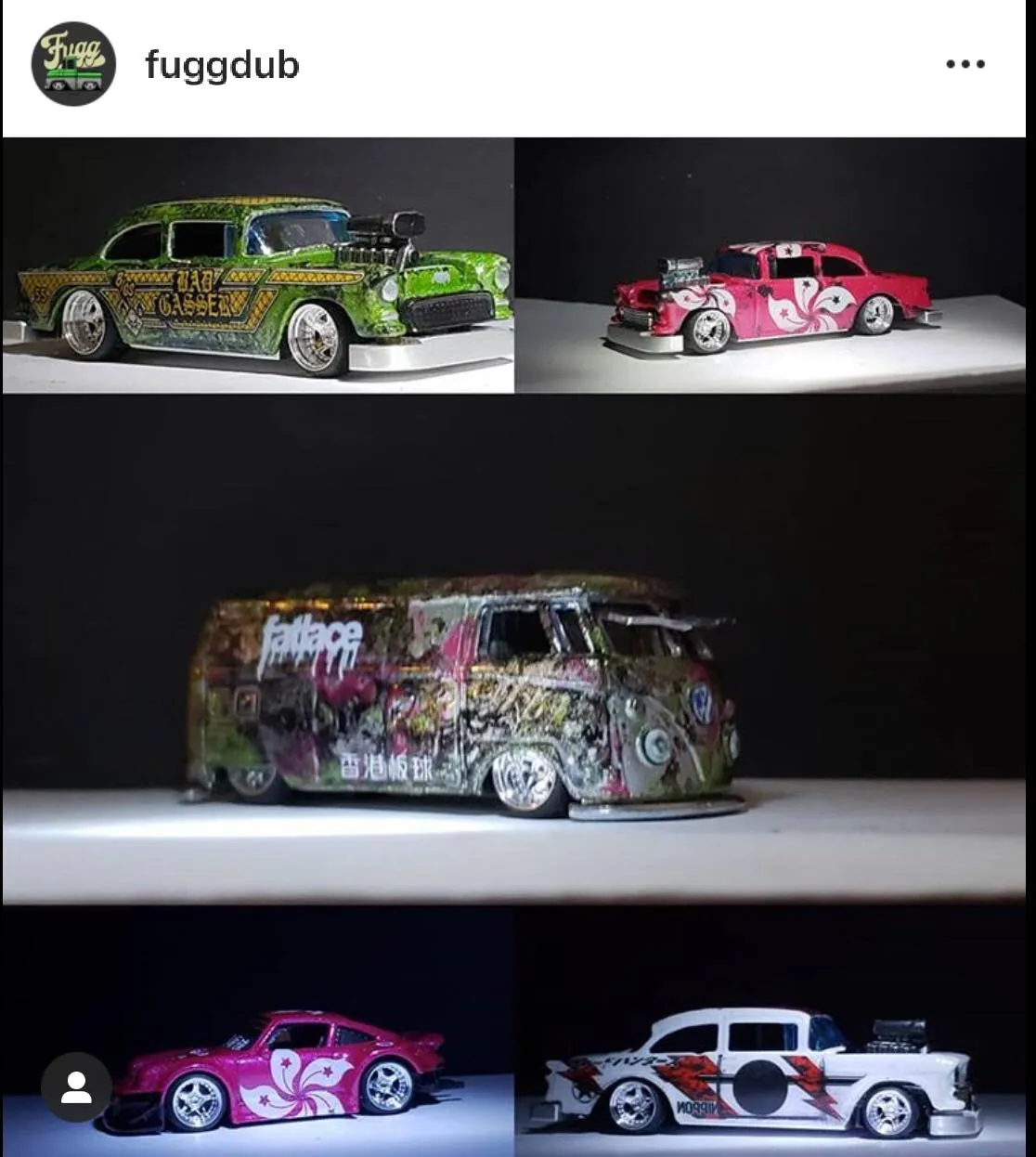
Custom diecast cars represent a fascinating intersection of artistry, craftsmanship, and collecting. These miniature marvels are more than just toys; they are miniature works of art, meticulously crafted and customized by enthusiasts around the world. The appeal lies in the ability to create unique, personalized models, reflecting individual tastes, historical accuracy, or pure creative expression. Building custom diecast cars allows for a deep dive into detail and an appreciation for design. This guide unveils ten essential secrets to know, transforming a simple diecast into a stunning showcase piece. Understanding the process and the nuances of customization ensures a rewarding and enjoyable experience, whether you’re a seasoned collector or a complete novice.
History of Diecast Cars
The history of diecast cars stretches back to the early 20th century. Early models were often crude and heavy, primarily used as promotional items or toys for children. As manufacturing techniques advanced, so did the detail and realism of these miniature vehicles. Companies like Dinky Toys and Corgi Toys pioneered the mass production of diecast models, introducing innovations in design and functionality. These early models are now highly sought-after collectibles, representing a bygone era of automotive design and manufacturing. The evolution from simple toys to detailed replicas laid the foundation for the custom diecast car hobby, inspiring enthusiasts to push the boundaries of what was possible.
Evolution of Customization

The evolution of custom diecast cars has paralleled advancements in modeling techniques and materials. Early customizers focused on basic modifications, such as repainting and adding simple details. As more advanced techniques became available, the possibilities expanded dramatically. Today, customizers can completely overhaul diecast models, adding custom interiors, modifying the chassis, and incorporating complex detailing. The rise of online communities and the availability of specialized tools and materials have fueled this evolution, allowing enthusiasts to share knowledge, techniques, and inspiration. The hobby has become more accessible, with a wealth of resources available to both beginners and experienced customizers.
Secret 1 Choosing the Right Base
The foundation of any successful custom diecast car project is selecting the right base model. The quality of the base model significantly impacts the final result. Consider the scale, the manufacturer, and the level of detail already present. Look for models with good proportions, realistic features, and a solid construction. While older, cheaper models might be tempting for practice, investing in a higher-quality base model will often yield better results. A well-chosen base provides a solid starting point, minimizing the need for extensive modifications and maximizing the potential for a stunning custom creation. The choice of the car model is the first and most important step in the creation of the custom diecast car.
Selecting the Model
When selecting the model, consider the type of car and its features. Are you looking for a classic car, a modern sports car, or something else entirely? Think about the level of detail you want to achieve. Some models have more intricate designs and features than others, which will impact the complexity of the customization process. Research different manufacturers to see which ones offer models with the details and features you desire. Certain brands are known for their high-quality diecast models, which can be a great base for any customization project. This decision dictates the entire scope and style of the finished project.
Assessing the Condition

Before starting any customization project, carefully assess the condition of the diecast car. Check for any existing damage, such as scratches, dents, or missing parts. These imperfections will affect the overall appearance of the custom build and can sometimes require extensive repair work. Inspect the paint for any signs of wear and tear. If the paint is damaged, it will need to be stripped before repainting. Ensure that all the parts are present and functional, as missing components can complicate the customization process. Make sure the vehicle is structurally sound. A thorough inspection helps to identify potential problems and allows for a more realistic assessment of the project’s scope and complexity. This inspection determines the amount of effort required to achieve the desired result.
Secret 2 Mastering the Prep Work
Preparation is paramount in custom diecast car projects. The quality of your prep work directly influences the final finish. This process involves disassembling the model, stripping the existing paint, and preparing the surface for new paint. It’s time-consuming, but skipping or rushing this step will inevitably lead to unsatisfactory results. A well-prepared surface ensures that the new paint adheres properly, creating a smooth, durable, and professional-looking finish. Proper prep work creates a seamless finish, highlighting the details and making the custom modifications truly shine. Investing time and effort into this stage is essential for a custom project’s success.
Disassembly Techniques
Disassembling a diecast car can be a delicate process. Start by carefully removing any screws or fasteners that hold the model together. Use the correct tools and take care to avoid damaging the components. Take photos of each step of the disassembly process to remember how everything fits together. It helps to organize the parts in labeled containers to keep track of screws, wheels, and other small components. Depending on the model, the interior, windows, and other parts might need to be carefully separated from the main body. Patience and attention to detail are key to avoiding damage. Gentle prying with a small flat-head screwdriver or a plastic pry tool can help release stubborn parts without causing damage.
Surface Preparation

Surface preparation involves removing the existing paint and smoothing the surface. There are different methods for removing paint, including using paint strippers, abrasive blasting, or sanding. Paint strippers are effective but require careful handling. Abrasive blasting can quickly remove paint but can also damage fine details. Sanding is a more controlled method, but it can be time-consuming. After removing the paint, inspect the surface for any imperfections, such as scratches or mold lines. Use fine-grit sandpaper to smooth out any imperfections. Clean the surface thoroughly before priming, using a degreaser to remove any residue. This ensures optimal adhesion of the primer and the subsequent paint layers.
Secret 3 Perfecting the Paint Job
A flawless paint job is a hallmark of a professional-quality custom diecast car. The choice of paint, the application technique, and the environment all play crucial roles in achieving a perfect finish. Choosing the right type of paint, whether it’s enamel, acrylic, or lacquer, will determine the durability and appearance of the paint. A smooth, even coat of paint will create a lasting impression, making the custom diecast car truly stand out. The paint job is where your vision of the finished custom project really comes to life. Good paint also protects the metal body of the diecast car from rust and other types of corrosion. This is why it is so important to protect it with high-quality paint.
Paint Types and Techniques
Various paint types are available for diecast cars, including enamel, acrylic, and lacquer. Enamel paints are durable and easy to use, but they take longer to dry. Acrylic paints dry quickly and offer excellent detail, but they may require more care in application. Lacquer paints provide a high-gloss finish but require more experience to apply correctly. Consider using automotive paints for a more realistic and durable finish. Spray painting is a commonly used technique, allowing for an even and consistent coat of paint. The use of primer is essential to ensure proper adhesion and to provide a smooth surface for the paint. Multiple thin coats are preferable to one thick coat, to avoid runs and drips. Proper ventilation and safety precautions are essential when working with paints.
Airbrushing vs Spray Cans

Both airbrushing and spray cans can be used to apply paint. Airbrushing offers more control and precision, allowing for detailed designs and gradients. It also minimizes paint wastage and creates a smoother finish. Spray cans are easier to use for beginners and are convenient for larger areas. However, they may not provide the same level of detail or control as airbrushing. Choosing between an airbrush and spray cans depends on your skill level, the complexity of the project, and the desired outcome. Consider the size of the model and the complexity of your design before making a decision. Experimenting with both techniques can help you to determine which works best for your specific needs and preferences.
Secret 4 Detailing and Decals
Detailing and decals are what bring a custom diecast car to life, adding realism and personality. These are the small details that distinguish a good custom from a great one. Detailing involves adding small touches such as headlights, taillights, grilles, and emblems. Decals can be used to recreate realistic markings, logos, and stripes. Skillful detailing requires a steady hand, patience, and a good understanding of the subject matter. It’s the detailing and decals that can make the vehicle look truly custom. Careful application and attention to detail are crucial for achieving professional results. Use the right tools, like fine-tipped brushes, tweezers, and decal setting solutions, to help achieve the desired effects. It’s these added elements that separate your creation from the rest.
Applying Decals
Applying decals requires patience and precision. Cut out the decals carefully, leaving a small border around the image. Dip the decal in water for a few seconds to activate the adhesive. Slide the decal from its backing paper and position it on the model. Use a soft cloth or a decal setting solution to smooth out any air bubbles and ensure proper adhesion. Consider using decal setting solutions to help the decals conform to the surface of the model. A decal setting solution can also help to blend the edges of the decals, making them look more integrated. Protect the decals with a clear coat after they have dried completely. This will help protect them from damage and ensure longevity.
Adding Details
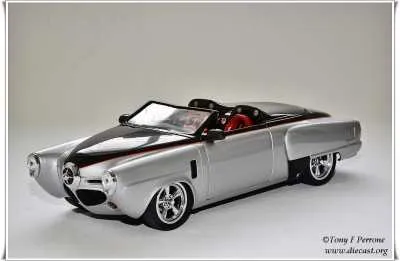
Adding details is a rewarding process. Use fine-tipped brushes to paint details such as headlights, taillights, and grilles. Consider using photo-etched parts or aftermarket detail kits to add even more realism. These kits can include details like wiper blades, door handles, and badges. Experiment with different colors and techniques to achieve the desired effects. Pay attention to the scale of the details, ensuring that they are proportional to the model. Careful attention to detail can make a big difference in the overall look of your custom diecast car. Consider using different types of paint, such as metallic paints and washes, to add depth and dimension to the details. Adding realistic weathering effects can enhance the look of the model.
Secret 5 Wheel and Tire Upgrades
Upgrading the wheels and tires is a fantastic way to enhance the appearance of your custom diecast car. The wheels and tires significantly impact the car’s stance and overall look. Options include custom wheels, different tire styles, and detailing of the wheels. This modification can transform the entire look of the car, giving it a customized and distinct appeal. Selecting appropriate wheel and tire combinations is crucial to maintain the vehicle’s realism. Choose wheels and tires that fit the scale of the car, and consider the type of car and the style you are trying to achieve. These upgrades can add a unique touch to the diecast and are a great way to create a custom look.
Wheel Options
A wide variety of wheel options are available, including different styles, materials, and sizes. Consider the style of the car when selecting wheels. Chrome wheels add a classic look, while black wheels can give a more modern appearance. Aftermarket wheel sets are widely available in various styles and can be easily installed. Consider the scale and overall design of the car when choosing the wheels. Also, consider using wheels from other diecast cars to get the look that you are trying to achieve. If you’re comfortable with the process, you can even build your own wheels. Some customizers choose to modify existing wheels, repainting them or adding custom details. Make sure the wheels fit the model and do not interfere with the car’s function.
Tire Selection

Selecting the right tires can further enhance the car’s appearance. Tires come in various styles, including low-profile, performance, and off-road tires. The choice of tire style depends on the look you are trying to achieve. Consider the overall theme of your custom car. For example, low-profile tires are well-suited for sports cars, while off-road tires would be more appropriate for a custom SUV. Ensure that the tires fit the wheels and do not rub against the car’s body. You can also add details to the tires, such as tire lettering or simulated tread patterns. Experiment with different tire types and styles to see what works best for your project.
Secret 6 Enhancing the Interior
Enhancing the interior of your custom diecast car is a great way to add a touch of realism. Detailing the interior can significantly enhance the overall quality and detail of your custom build. Start by considering the overall look you are trying to achieve. From adding custom seat covers, to modifying the dashboard, the interior is a great place to focus on detailing. This step involves detailing components such as the seats, dashboard, and steering wheel. These enhancements can add to the overall aesthetic of your custom build. Adding custom details to the interior can make the car feel like a truly custom vehicle. Consider using detailed parts or modifying components to make the model stand out.
Interior Detailing Tips
Detailing the interior involves a variety of techniques. Use fine-tipped brushes and paints to add details to the dashboard, door panels, and other interior components. Consider using photo-etched parts to add realistic details to the interior. These parts can include things like seatbelts, gauges, and interior trim. Customizing the seats is also a popular option. You can replace the seats with custom-made seats or modify the existing seats to create a more realistic look. Experiment with different materials and techniques to enhance the interior. Adding custom details to the interior can make the car feel like a truly custom vehicle. Carefully painting details will add depth and create a more realistic look. When it comes to detailing, it is the small touches that make the difference.
Seat Modifications
Seat modifications can dramatically alter the interior’s appearance. Consider replacing the original seats with custom-made seats or modifying the existing ones. Replace the seats with detailed aftermarket seats. The seats are a focal point in the interior of the car, and it’s a great place to showcase your creativity. If you plan on modifying the seats yourself, you may use materials such as vinyl, leather, or fabric to cover the seats. Adding seatbelts and other details to the seats can enhance the realism. The materials you use can help match the original car or help give the car a brand-new look. The goal is to create a custom and detailed interior that complements the overall look of the car.
Secret 7 The Importance of Clear Coats
Applying a clear coat is a crucial step in the custom diecast car process. A clear coat serves several purposes: it protects the paint from scratches, UV damage, and environmental factors. It also enhances the gloss and overall appearance of the model. A good clear coat creates a smooth and durable finish, protecting all the hard work that was put into painting and detailing the model. Choosing the right clear coat and applying it correctly is essential for achieving a professional-looking finish. A high-quality clear coat will give your custom car a long-lasting, beautiful finish. Make sure the model is thoroughly cleaned and prepped before applying the clear coat for optimal results. A clear coat will protect the paint from any scratches or damage.
Types of Clear Coats
There are various types of clear coats available, each with its own characteristics. Acrylic lacquers are popular for their ease of use and quick drying times. Urethane clear coats offer excellent durability and chemical resistance. Consider using automotive clear coats for a more realistic finish. Matte clear coats offer a flat, non-reflective finish, which is ideal for certain types of models. Gloss clear coats provide a high-shine finish. The choice of clear coat depends on the paint type and the desired finish. Each type offers unique properties that can affect the final look of your custom model. Reading reviews and consulting with experienced customizers is beneficial when selecting the right clear coat.
Application Techniques
Correct application is key to achieving a perfect clear coat finish. Prepare the model by cleaning it and ensuring it’s free from dust and debris. Apply the clear coat in thin, even coats. Avoid applying too much clear coat at once, as this can lead to runs and drips. Allow each coat to dry completely before applying the next coat. Follow the manufacturer’s instructions for drying and curing times. Use a spray booth or a well-ventilated area to minimize dust contamination. Using the right tools and techniques will allow you to create a smooth and beautiful finish. If you make any mistakes, it is possible to correct them by sanding the surface and then re-applying the clear coat.
Secret 8 Display and Presentation
Displaying your custom diecast car is a great way to showcase your work and protect your investment. How you present your finished creation can affect how others appreciate your work. Consider factors like lighting, background, and the overall aesthetic to create a captivating display. A well-presented custom diecast car can become a focal point in your collection, reflecting your creativity and dedication. Displaying your custom creations also protects your hard work, shielding it from damage. It’s all about presenting your hard work in the best possible light. A well-thought-out display can add to the value of your custom diecast car.
Display Cases
Display cases offer an elegant and practical way to showcase your custom diecast cars. They protect the models from dust, UV light, and accidental damage. Choose display cases that match the scale and style of your models. Consider using clear cases to allow for easy viewing. Some display cases come with built-in lighting, which can further enhance the appearance of the models. A well-designed display case can improve the aesthetics and value of your collection. Ensure that the display case is the right size to hold all your custom models. Display cases are essential for protecting your custom models and keeping them in pristine condition. The right display case can make your custom cars look even better.
Photography Tips
Taking high-quality photographs of your custom diecast cars is a great way to share your work and document your progress. Proper lighting is essential for showcasing the details of your models. Use natural light or a softbox to avoid harsh shadows. Experiment with different angles and perspectives to highlight the best features of your models. Consider using a plain background to avoid distractions. Focus on the details and the overall finish of the model. Use a tripod to ensure sharp images and stable shots. The right camera settings will help you capture the intricate details of your custom work. A good picture can help you share your hard work. Photos are a great way to document and show off your skills to others.
Secret 9 Value and Collectibility
Understanding the value and collectibility of custom diecast cars adds another dimension to the hobby. Custom diecast cars can become valuable collectibles, especially those that are well-executed, rare, or based on unique designs. Factors like craftsmanship, rarity, and the reputation of the customizer influence the value of these miniature works of art. These are not just toys; they are investments. Knowing the nuances of valuation can help you appreciate the investment and potential of your customized creations. Collecting custom diecast cars can be a rewarding hobby for both the creator and the collector. There are various factors that dictate the value of a custom diecast car.
Factors that Affect Value
Several factors influence the value of a custom diecast car. These include the quality of the craftsmanship, the rarity of the model, and the reputation of the customizer. Cars that are based on rare or iconic vehicles tend to be more valuable. Detailed modifications and high-quality paintwork increase the value. Limited edition or one-of-a-kind models command a premium. The use of high-quality materials and techniques also adds to the value. Cars made by well-known and reputable customizers are highly sought after. The overall presentation and display of the model also affect its value. A car with a good reputation will be highly sought after. The car’s originality can also impact the value.
Market Trends
Staying informed about market trends can help you make informed decisions about your custom diecast cars. Track the prices of similar models to get an idea of the market value. Follow online auctions and forums to stay up-to-date on current trends. Certain types of vehicles and customization styles are more popular than others. The popularity of the vehicle or customization style can affect the value. The market for custom diecast cars is constantly evolving. Research and analyze prices and trends in online forums and auction websites. This will help you understand the current market for custom diecast cars. Staying informed helps maximize your appreciation and investment in the hobby.
Secret 10 Resources and Community
The custom diecast car hobby is significantly enriched by the resources and community that support it. Connecting with fellow enthusiasts, accessing online resources, and staying informed on techniques and trends is essential for growth and enjoyment. This collaborative environment encourages skill development and fosters a shared passion for creating custom models. The wealth of shared knowledge, tutorials, and inspiration within these communities provides invaluable support, whether you are just starting or are an experienced customizer. Building relationships with fellow hobbyists will expand your knowledge and enjoyment of the craft. This community provides inspiration, information, and encouragement for everyone involved.
Online Forums and Communities
Online forums and communities are the heart of the custom diecast car hobby. These platforms provide a space for enthusiasts to share their work, ask questions, and learn from each other. Participate in online forums and communities to connect with other enthusiasts. Online forums allow you to share your creations, receive feedback, and learn new techniques. Many communities also feature tutorials, how-to guides, and project showcases. Sharing your work and asking questions is a great way to learn and grow in the hobby. This is the perfect place to get ideas and encouragement. You can also share your own insights, helping to support and guide other customizers.
Recommended Tools and Materials
Having the right tools and materials is essential for success in this hobby. Invest in high-quality tools to make your work easier and more enjoyable. Essential tools include a hobby knife, sandpaper, airbrush, and various paints and primers. Consider purchasing specialized tools such as a pin vise, tweezers, and a small drill. Having the right tools and materials will ensure that you have the tools you need to complete the job. Always prioritize safety by wearing a respirator, eye protection, and gloves. Also, you can find numerous online tutorials and guides to help you learn how to use them properly. The proper tools and materials will allow you to achieve the best results, and will help you along your journey to creating beautiful custom diecast cars.