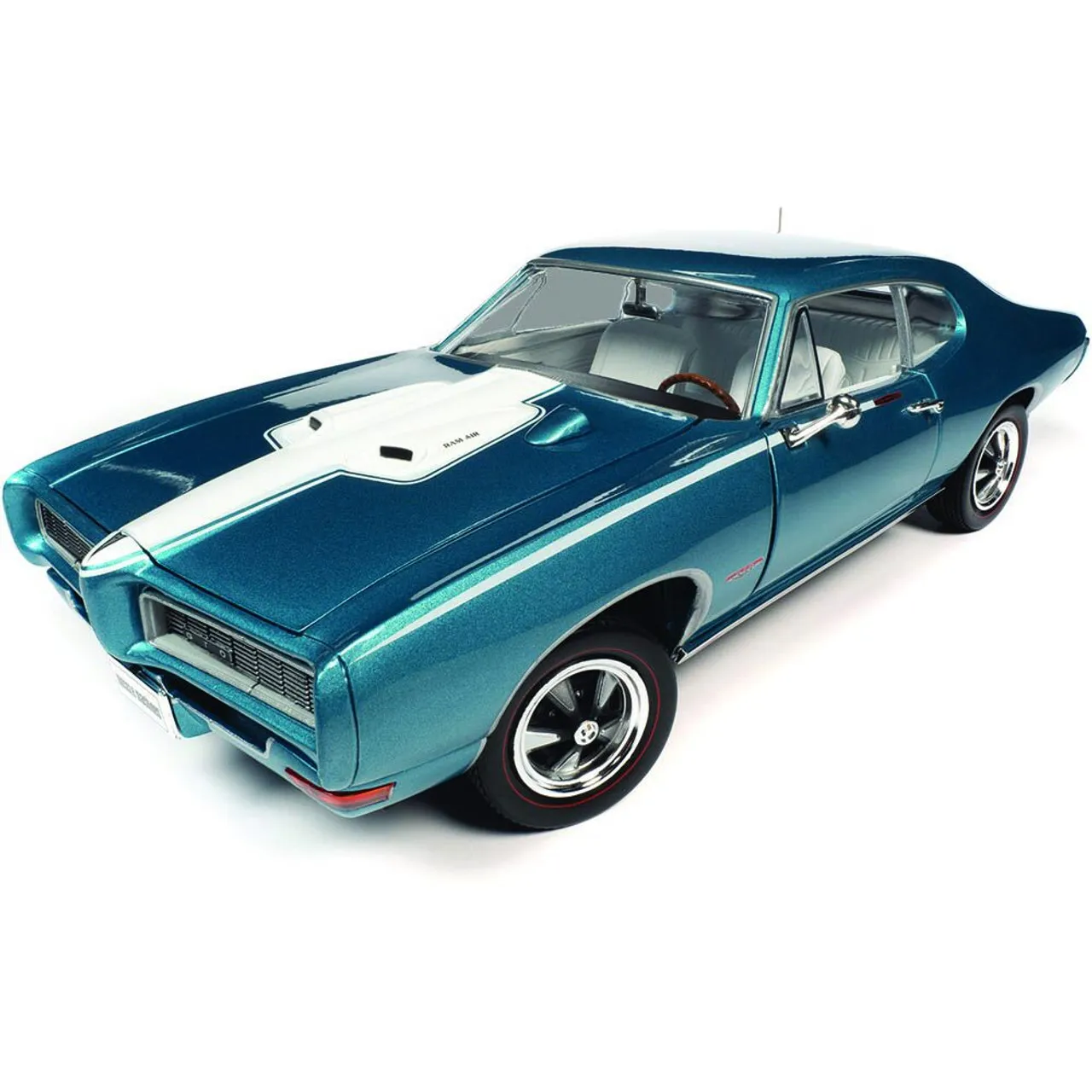
What are Big Diecast Cars
Big diecast toy cars are meticulously crafted miniature replicas of real-life vehicles, prized by collectors and enthusiasts of all ages. Unlike plastic toy cars, diecast cars are primarily made from metal, usually zinc alloy, giving them weight, durability, and a premium feel. These models are not just toys; they represent a hobby that combines a love for automobiles with the art of collecting. The level of detail can range from basic representations to highly detailed models with working features and realistic interiors. These cars come in a variety of scales, the most common being 1 18, 1 24, and 1 43, allowing collectors to build comprehensive and diverse collections. Owning diecast cars is a great experience.
Materials Used in Big Diecast Cars
The materials used in crafting big diecast cars significantly contribute to their quality, appearance, and longevity. The primary material is diecast metal, a process where molten metal is injected into molds under high pressure. This method allows for intricate details to be captured. Other materials also play crucial roles in making the cars. These cars also use plastic components, rubber tires, and sometimes even fabric interiors. The materials are chosen for their ability to accurately replicate the look and feel of their full-sized counterparts.
Zinc Alloy

Zinc alloy is the backbone of most big diecast cars. It’s chosen for its excellent casting properties, allowing for the creation of highly detailed parts. The alloy provides the car with weight, making it feel substantial and realistic. The metal is also durable, capable of withstanding the rigors of handling and display. The use of zinc alloy ensures that the models can last for many years, becoming cherished collectibles. Moreover, the metal can be painted and finished in various ways to achieve a realistic appearance.
Plastic Components
Plastic components are essential for adding finer details and functional parts to big diecast cars. These parts can include interior elements, such as dashboards, seats, and steering wheels, as well as exterior components like lights, mirrors, and sometimes even the chassis. Plastic allows for intricate designs and complex shapes, which would be challenging to create with metal alone. The use of different types of plastics also enables manufacturers to simulate various materials and textures, adding to the realism of the models. These components ensure that the details of the cars are up to the highest standard.
Rubber Tires
Rubber tires are a critical feature of big diecast cars, contributing to their realistic appearance and functionality. Made from synthetic rubber, these tires often feature detailed tread patterns, mirroring those found on real vehicles. The rubber material provides the cars with a smooth rolling action and adds to their overall aesthetic appeal. Rubber tires enhance the models’ realism and playability and are an integral part of the design.
Popular Scales for Big Diecast Cars

The scale of a diecast car refers to the ratio between the model’s size and the actual vehicle’s dimensions. Several scales are commonly used in the diecast car world, each offering a unique perspective and appeal to collectors. The scale chosen often affects the level of detail, the price, and the display space required for a collection. Understanding the different scales is essential for collectors who want to build a cohesive collection. These are the most popular scales.
1 18 Scale
1 18 scale models are among the most popular, known for their impressive size and detail. These models are approximately 1/18th the size of the real car, making them large enough to showcase intricate features. They typically feature opening doors, hoods, and trunks, along with detailed engines and interiors. Collectors favor this scale for its balance of detail and size, allowing for a satisfying display. These cars are also a good entry point into the world of diecast collecting, allowing enthusiasts to appreciate the details and craftmanship involved.
1 24 Scale
1 24 scale models offer a slightly smaller but still highly detailed option. These models are about 1/24th the size of their real-life counterparts, making them more compact and easier to display. Despite their smaller size, they can still include opening parts, detailed interiors, and realistic paint finishes. This scale is often favored for its affordability and wide availability, allowing collectors to build extensive collections without breaking the bank. The smaller size also makes them ideal for those with limited display space.
1 43 Scale

1 43 scale models are the smallest of the most common scales, making them incredibly versatile for collectors. These models are approximately 1/43rd the size of the real car, offering a great level of detail in a compact package. This scale is often used for a wider variety of vehicles, including race cars and commercial vehicles, and is popular for building diverse collections. The smaller size makes them ideal for dioramas and detailed displays, allowing collectors to create dynamic scenes with multiple models. Due to their small size, it also allows for a huge collection.
Iconic Car Models Replicated
Big diecast cars celebrate automotive history by replicating some of the most iconic and beloved car models of all time. Manufacturers meticulously recreate the details of these vehicles, from the body lines to the interior features, capturing the essence of their real-life counterparts. Collectors often seek out models of their dream cars or vehicles with significant cultural importance. Owning these diecast models is a way to appreciate the legacy of automotive design and engineering.
Classic Muscle Cars
Classic muscle cars are a favorite among diecast collectors, representing an era of raw power and bold design. Models of cars like the Ford Mustang, Chevrolet Camaro, and Dodge Charger are highly sought after. The diecast versions often feature detailed engines, authentic paint schemes, and realistic interiors, capturing the spirit of these American icons. The nostalgia and historical significance of these cars make them a valuable addition to any collection. The models allow enthusiasts to relive the golden age of American automotive culture.
Luxury Vehicles
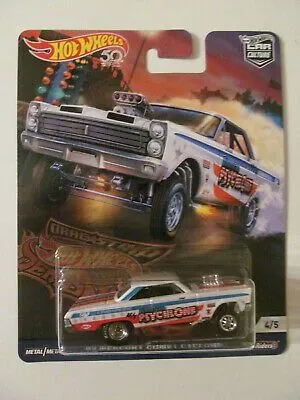
Luxury vehicles, known for their elegance and sophistication, are also popular subjects for diecast models. Brands like Mercedes-Benz, BMW, and Rolls-Royce are meticulously reproduced in diecast form. These models often feature high levels of detail, including intricate interior designs, premium finishes, and realistic detailing. Collecting luxury vehicle diecast cars is a way to appreciate the craftsmanship and design of these prestigious automobiles. It allows collectors to showcase the pinnacle of automotive luxury on a smaller scale.
Sports Cars
Sports cars, with their sleek designs and high-performance capabilities, are another key category in the diecast car world. Models of iconic sports cars from brands like Ferrari, Porsche, and Lamborghini are extremely popular. Diecast versions of these cars feature aerodynamic designs, detailed engine compartments, and realistic interiors. The precision and attention to detail make them a favorite among collectors. These models allow enthusiasts to celebrate the beauty and performance of sports car design.
Benefits of Collecting Big Diecast Cars
Collecting big diecast cars offers a range of benefits, from educational value to aesthetic enjoyment. These models provide a unique way to appreciate automotive history and engineering, while also offering potential investment opportunities. Collecting them becomes a rewarding hobby for enthusiasts of all ages.
Educational Value for Children

Collecting diecast cars can be highly educational for children. It introduces them to different car models, brands, and the history of the automotive industry. It can also foster an interest in engineering and design, as children learn about the mechanics and features of the cars. The models provide a hands-on way to learn about scales and proportions. Collecting diecast cars is a fun and engaging way to learn.
Aesthetic Appeal and Display
Diecast cars offer aesthetic appeal, with their detailed designs and realistic finishes. The models provide a visually pleasing display for collectors. Displaying the cars can be a creative outlet, with collectors arranging their models in various ways, such as on shelves, in display cases, or in themed arrangements. The visual appeal of the cars and the creativity involved in their display make collecting a rewarding hobby.
Investment Potential
Certain diecast car models can have investment potential. Rare or limited-edition models, especially those in pristine condition, can increase in value over time. Collectors should do their research and identify models with good investment potential. The market value of these models can be affected by factors such as rarity, brand reputation, and the condition of the car. Collecting can be a rewarding experience.
Factors to Consider When Buying Big Diecast Cars
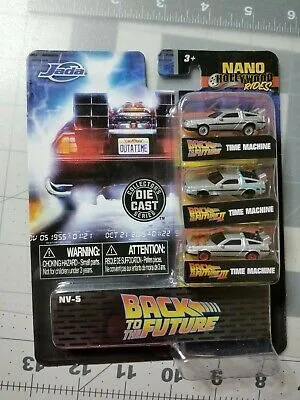
When buying big diecast cars, several factors should be considered to ensure you are getting quality models that meet your expectations. From the level of detail to the brand reputation, these factors will help you make informed choices.
Detail Level
The detail level of a diecast car significantly impacts its realism and value. Higher detail levels typically include opening doors and hoods, detailed engine compartments, and realistic interiors. Look for features such as accurate paint schemes, detailed wheels, and functional parts. The more detailed a model, the more it will appeal to serious collectors. The level of detail will determine the car’s appearance and the overall enjoyment it provides.
Brand Reputation
The brand reputation is an important factor to consider when purchasing diecast cars. Some brands are known for their high-quality models and attention to detail. Researching different brands and reading reviews can help you identify reputable manufacturers. Look for brands with a track record of producing accurate and well-made models. Brands such as Autoart, Minichamps, and CMC are known for their quality and attention to detail.
Rarity and Collectibility
Rarity and collectibility play a significant role in the value and desirability of diecast cars. Limited-edition models or those with unique features often command higher prices. Look for models that are difficult to find or have specific characteristics that make them valuable. Models from specific production runs or those that are no longer in production can increase in value over time. Researching the rarity and collectibility of a model will help you assess its investment potential.
Caring for and Maintaining Your Collection
Proper care and maintenance are essential for preserving the value and condition of your big diecast car collection. Taking simple steps to protect your models from damage can ensure that they remain in great condition for years to come.
Dusting and Cleaning
Dusting and cleaning your diecast cars regularly will help prevent the build-up of dirt and debris that can damage the finish. Use a soft, dry cloth to gently dust the models. For more thorough cleaning, you can use a soft brush or a slightly damp cloth. Avoid using harsh chemicals or abrasive materials, which can scratch the paint or damage the details. Regular cleaning is key to keeping your models in excellent condition.
Proper Storage
Proper storage is essential for protecting your diecast cars from damage and preserving their value. Store the models in a cool, dry place, away from direct sunlight. Display cases or enclosed shelves are ideal for protecting your cars from dust and accidental damage. Avoid storing the models in areas with extreme temperatures or humidity, which can affect the materials. Proper storage will help ensure that your models remain in great condition for years to come.
Displaying Your Cars
Displaying your diecast cars is a way to show off your collection and enhance their aesthetic appeal. Use display cases or shelves to protect your models from dust and damage. Arrange your cars in a way that showcases their details and characteristics. Consider organizing your collection by brand, model, or scale. Proper display enhances your collection.